In the Chinese giant salamander breeding industry, there is a set of critical data that deserves our high attention. Chinese giant salamanders are extremely sensitive to residual chlorine in water. Once the residual chlorine exceeds 0.01mg/L, they will suffer from gill rot and poisoning. Moreover, the tolerance levels of juvenile and adult salamanders to residual chlorine are different. Juveniles have a lower tolerance, with a limit of ≤0.005mg/L, while adults can tolerate up to ≤0.02mg/L. However, the traditional manual detection method, which is "testing once a day", cannot cover the fluctuations of residual chlorine concentration within 24 hours. Let the chlorine sensor Manufacturer, Maideshi Residual Chlorine Water Quality Monitor Factory, explain it to you in detail!
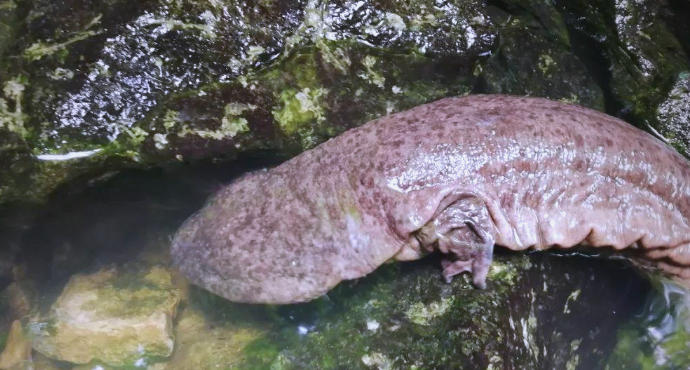
Once, a breeding base suffered a heavy loss. After a heavy rain, the residual chlorine in the water source suddenly increased. But the manual detection was done once a day, and 12 hours had passed by the time the problem was discovered. As a result, 50 juvenile and 50 adult salamanders all died, resulting in a direct loss of 80,000 yuan. Even worse, due to the sub - standard breeding ability, the base was suspended from receiving the endangered animal protection subsidy.
Have you ever had the frustrating experience of "everything seems fine during the test, but the salamanders die soon after"? You may be testing the residual chlorine every day, but still can't avoid losses. The key problems lie in "inadequate and untimely detection" and "lack of age - specific standards".
Analyzing the Problem: Why Traditional Methods Can't Solve the Residual Chlorine Problem
Manual residual chlorine detection, which is done only once a day, is like "using a magnifying glass to look at a moving picture", only capturing a static point. However, the concentration of residual chlorine is not constant. Sudden situations such as water changes, rainfall, and equipment failures can cause the residual chlorine to soar within a few hours. By the time the manual detection reveals the problem, the salamanders may already be poisoned.
Moreover, the traditional detection method does not distinguish between the ages of the salamanders and sets a unified standard of "0.01mg/L". This can lead to two situations. Either the juveniles are poisoned because the threshold is too high (they need a stricter 0.005mg/L), or the adults experience excessive de - chlorination due to a too - strict threshold, resulting in wasted costs. Both situations will affect the survival rate and breeding efficiency of the salamanders.

In summary, the Chinese giant salamander breeding industry needs a residual chlorine management solution of "24 - hour real - time monitoring + age - specific thresholds", which the traditional manual detection method cannot meet. This is the root cause of the low survival rate and high losses of Chinese giant salamanders.
Product Value: AI Monitor Solves the "Residual Chlorine Poisoning" Dilemma
This AI online residual chlorine detector has two core advantages: "real - time monitoring + age - specific thresholds". It is equipped with a Digital residual chlorine sensor that can collect water quality data every second and synchronize it to the central control screen and mobile phones of the base in real - time. At the same time, it supports custom - setting of thresholds. Different standards can be set for juvenile and adult salamander pools, so as to accurately protect salamanders at different stages.

The "early warning + linkage" function is also very practical. When the residual chlorine approaches the set threshold, the instrument will immediately send text messages and sound an alarm to remind the staff. More impressively, it can automatically start de - chlorination equipment, such as activated carbon filtration and ultraviolet disinfection, without manual operation. Even without 24 - hour on - site supervision, the safety of the salamanders can be guaranteed.
In addition, the instrument will automatically record the daily residual chlorine change curve and generate a "breeding environment report". Based on this report, the base can summarize patterns, such as "residual chlorine tends to increase after changing water on rainy days, and de - chlorination equipment should be turned on 1 hour in advance", making subsequent management more scientific.
Effect Verification and Action Guidance
After a certain base used this residual chlorine automatic water quality sensor, the results were remarkable. The survival rate of Chinese giant salamanders increased from 50% to 80%, and the gill - rot death incidents decreased from "1 - 2 times a month" to "0 times a year". It not only recovered the annual death loss of over 100,000 yuan but also successfully became an endangered animal protection cooperation base and received special protection funds.
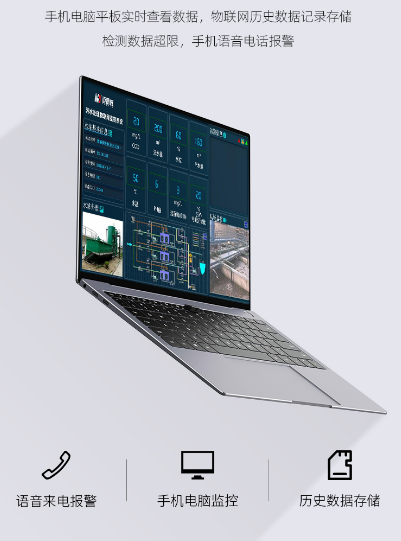
Whether it is a small - scale family breeding base (with 10 - 20 pools) or a large - scale ecological breeding park (with more than 50 pools), as long as it involves separate pool breeding of juvenile and adult Chinese giant salamanders, this instrument can solve the residual chlorine problem.
If you want to know what residual chlorine thresholds should be set for the juvenile and adult salamander pools in your base, please feel free to consult Maideshi Residual Chlorine Water Quality Sensor Factory. Our engineers will help you customize an "age - specific monitoring plan".
In conclusion, if you are involved in the Chinese giant salamander breeding industry, don't miss this advanced AI online residual chlorine detector. It can bring you more efficient and scientific breeding management, and help you achieve better breeding results.
Previous: Can't the Weavers Solve the Problem of Poor Luster of Intangible Cultural Heritage Raw Silk? The Online Residual Chlorine Detector Serves as the "Luster Butler" to Upgrade the Silk Quality by One Grade!
Next: Frog Ponds Hit by Saprolegniasis in the Rainy Season? AI + Online Residual Chlorine Detector: The “Emergency Chlorine Supplement Guardian” for Rare Frog Breeding!

 TEL
TEL