AI + Online Residual Chlorine Automatic Water Quality Analyzer: Solve Hospital “Disinfection Control Difficulties” from “Manual Missed Detection” to “Intelligent Early Warning”!
As a key place for medical treatment and epidemic prevention, hospitals rely heavily on residual chlorine control for equipment disinfection, ward sterilization, and operating room water use. Residual chlorine serves as the first line of defense against cross-infection.Insufficient residual chlorine leads to failed disinfection and bacterial growth, while excessive chlorine corrodes equipment and damages the environment. Traditional manual monitoring can no longer meet hospitals’ high-standard, high-stability disinfection requirements.Against the upgrading of medical safety and infection prevention, the combination of AI + online residual chlorine automatic analyzer completely solves hospital disinfection control problems, achieving a full upgrade from manual missed detection to intelligent early warning.As a professional residual chlorine water quality detector manufacturer and reliable China residual chlorine detector supplier, Medsonz provides a detailed explanation below.
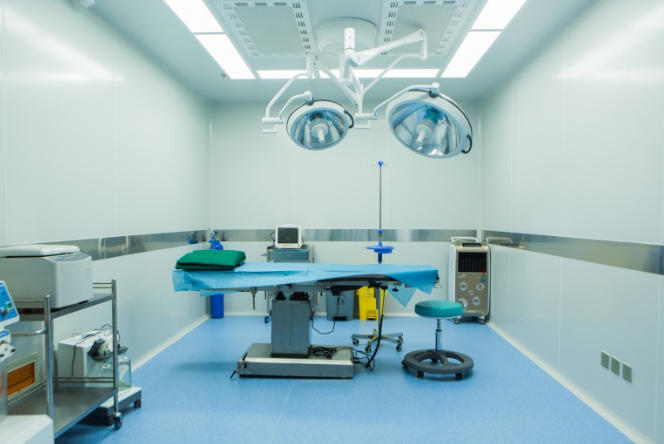
I. Hospital Pain Points: Manual Disinfection Control Under Safety & Compliance Pressure

General and specialized hospitals have many water points, wide coverage, and 24-hour continuous operation. Traditional manual monitoring has three core pain points that directly threaten medical safety:
1. Many scattered points, incomplete coverage, high infection risk
Operating rooms, supply rooms, wards, sewage treatment stations and other points are widely distributed. Manual inspection cannot achieve full coverage, and residual chlorine fluctuations are hard to detect in time, easily causing nosocomial infection risks and endangering patient safety.
2. Delayed monitoring, easy to miss detection, heavy compliance pressure
Manual testing is usually performed hourly, resulting in delayed data and slow response. Real-time tracking of chlorine changes is impossible. Once abnormalities occur, they cannot be handled promptly, bringing risks from medical supervision and health inspections.
3. High labor costs, low operation and maintenance efficiency
24-hour hospital operation requires dedicated staff on rotating shifts, leading to high labor costs. Manual data recording and sorting are tedious, and disinfection processes are hard to trace, failing to meet standardized medical management requirements.
II. AI Empowerment: Create an “Intelligent Medical Disinfection Officer” to Strengthen Infection Prevention
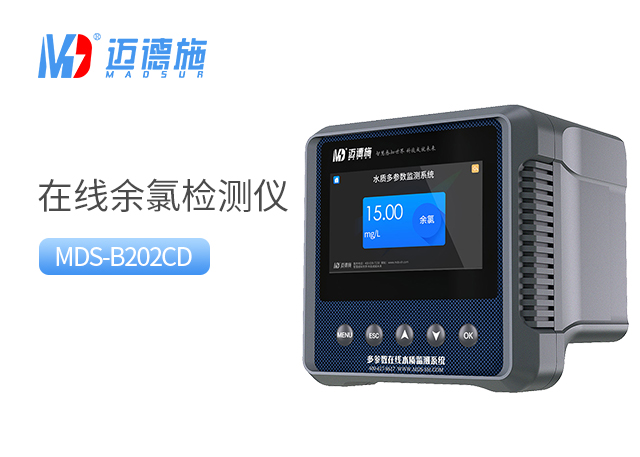
Online residual chlorine automatic sensors equipped with AI intelligent algorithms act as a 24-hour “Intelligent Medical Disinfection Officer” for hospitals, perfectly adapting to complex hospital water environments and realizing intelligent full-process disinfection control:
① AI 24-hour real-time monitoring & early warning
AI monitors residual chlorine at all water points continuously, automatically identifies abnormal fluctuations, and issues an early warning 15 minutes in advance, avoiding insufficient or excessive chlorine and blocking infection risks at the source.
② AI anti-interference algorithm for stable & reliable data
Adapts to complex pipe networks, multi-water sources, and multi-equipment interference in hospitals, ensuring accurate and stable data without drift or false alarms.
③ AI intelligent linkage with disinfection systems
Automatically adjusts dosing according to real-time residual chlorine data, ensuring stable and uniform disinfection effects in key areas such as operating rooms and disinfection supply centers.
④ AI automatically generates compliance logs
Automatically records, stores, and exports residual chlorine monitoring data to form complete and traceable files, easily supporting health supervision, infection control audits, and environmental inspections.
III. Core Changes Before & After Application: Safety, Compliance, Cost Reduction & Efficiency
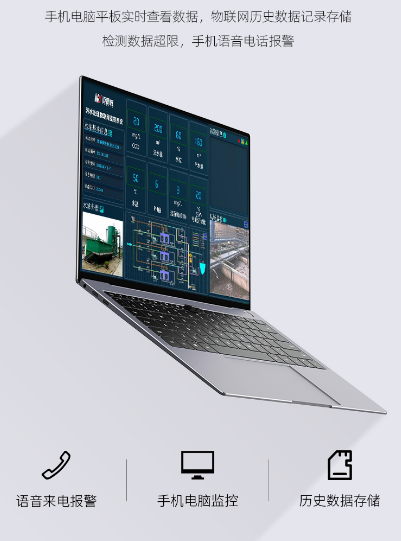
After applying the AI online residual chlorine monitoring system, hospitals achieve a qualitative leap in disinfection control:
① Medical Safety
From cross-infection risks caused by manual missed detection→ AI precise real-time control, with infection risk reduced to 0, fully protecting patients and medical staff.
② Compliance Management
From incomplete manual records and missing data→ AI automatically keeps complete logs, disinfection compliance rate reaches 100%, making inspections much easier.
③ Labor Cost
From 3-person rotating shifts→ Full-process unattended operation, saving more than 250,000 RMB in annual labor costs.
④ Operation & Maintenance Efficiency
From labor-intensive manual inspection and recording→ Full AI automatic operation, O&M efficiency improved by 95%, greatly reducing the burden on medical and logistics staff.
AI Guards Medical Safety & Boosts High-Quality Hospital Development

With increasingly strict requirements for medical safety and nosocomial infection prevention, hospital disinfection and water quality control have evolved from a supplementary link to a core safety bottom line.AI-powered online residual chlorine water quality sensors completely break the dilemma of “difficult disinfection control, frequent manual omissions, and high safety risks” in traditional hospitals, becoming a professional and reliable “Intelligent Medical Disinfection Officer”.
It replaces manual operation with intelligent technology, achieving precise disinfection, real-time early warning, and full-process traceability. It safeguards the red line of medical safety, reduces operating costs, and improves management efficiency.Feel free to contact a professional residual chlorine water quality sensor manufacturer and trusted China residual chlorine detector supplier — Medsonz.We provide solid support for the modern, standardized, and intelligent development of hospitals, fully protecting public health and medical safety.
Previous: AI + Online Residual Chlorine Automatic Water Quality Analyzer: Solve Hospital “Disinfection Control Difficulties” from “Manual Missed Detection” to “Intelligent Early Warning”!
Next: Environmental Upgrade Without Delays: Portable Residual Chlorine Water Quality Monitor – The "Mobile Disinfection Sentinel" for Water Plants!

 TEL
TEL