AI-Powered Disinfection Monitoring: Online Residual Chlorine Analyzer – The "Health Guardian" for Senior Living & Wellness Communities From Manual Experience to Intelligent Precision!
Senior living and wellness communities center on health and comfortable living, making them vital living spaces for the elderly and other sensitive groups. Residual chlorine control in swimming pools, hot springs, and domestic water acts as a community "health shield": excessive residual chlorine irritates sensitive skin, while insufficient chlorine allows bacteria to grow and creates health risks. The traditional manual monitoring model can no longer meet the strict health and quality demands of wellness communities. With deep integration of AI technology, online residual chlorine water quality sensors have been upgraded to become the "health guardians" of senior living communities, completely breaking through the limitations of manual experience-based control and achieving a leap from manual judgment to intelligent precision, safeguarding high-quality living environments for wellness communities. As a leading residual chlorine monitor manufacturer and trusted China residual chlorine detector supplier, we provide a detailed explanation below.

Pain Points of Senior Living & Wellness Communities: Manual Monitoring Fails to Protect Health and Experience
During the operation of wellness communities, water points such as swimming pools, hot springs, and public washing areas face risks of residual chlorine fluctuations. Traditional manual monitoring has significant shortcomings, with three core pain points hindering health management and damaging resident experience and community reputation:
1. Incomplete Coverage of Multiple Water Points, Health Risks and Complaints
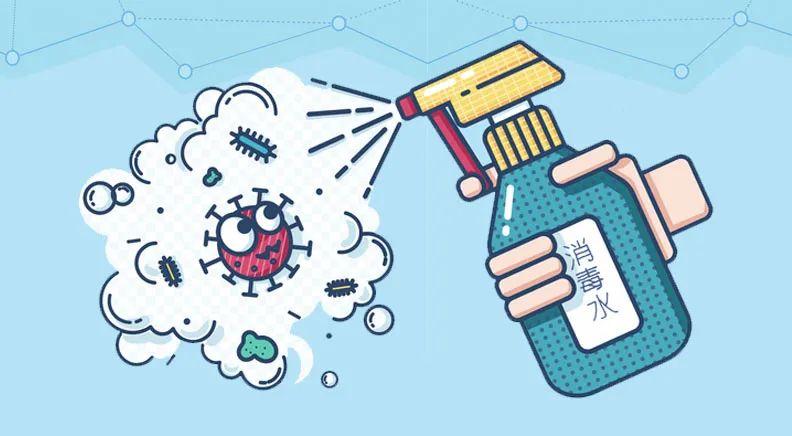
Community water points are widely scattered, making full coverage difficult for manual monitoring. Fluctuations in residual chlorine often trigger health hazards and resident complaints, directly harming community reputation and brand image, and weakening the wellness positioning.
2. Insufficient Accuracy and High Operation & Maintenance Costs
Manual testing carries large errors, with disinfection dosage determined purely by experience. This easily leads to under-disinfection or over-disinfection, increasing health risks and wasting disinfectants, resulting in continuously high O&M costs.
3. High Labor Costs and Difficult Compliance Management
Communities must assign 2 staff members for 24-hour shifts to conduct on-site sampling and testing, leading to extremely high labor expenses. Manual data recording is tedious and prone to loss, failing to support 24-hour water demand and exposing the community to high compliance risks during health inspections.
AI Empowerment: Turning Residual Chlorine Sensors into "Intelligent Disinfection Officers"
To address the health management pain points of wellness communities, online residual chlorine water quality sensors are equipped with advanced AI algorithms, acting as an "intelligent disinfection officer" for the community. They enable full-process intelligent and precise residual chlorine control, eliminating reliance on manual labor and upholding health and experience standards:
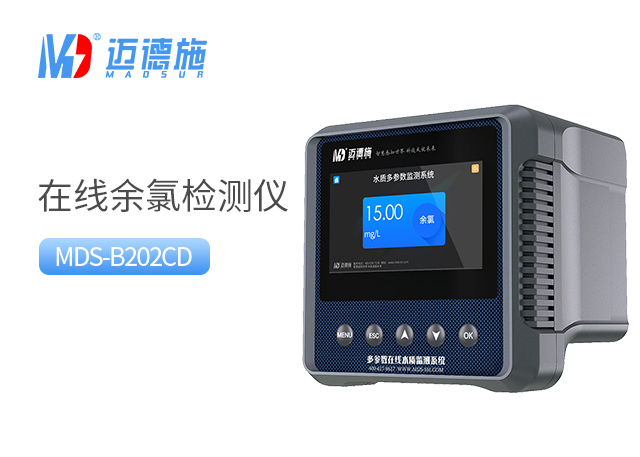
1. AI High-Precision Monitoring, Captures Fluctuations Accurately
Flexibly deployed at each water point, AI performs 24-hour real-time monitoring of residual chlorine levels with an error ≤ 0.01mg/L, far exceeding manual accuracy. It precisely detects subtle changes and eliminates health risks at the source.
2. AI Self-Learning Adaptation, Reduces False Alarms
Built-in AI self-learning models automatically adjust monitoring thresholds according to residual chlorine standards for swimming pools, hot springs, and domestic water scenarios, effectively reducing false alarms and improving reliability.
3. AI Closed-Loop Control for Precise Disinfection
AI links in real time with disinfection dosing equipment, automatically adjusting dosage when residual chlorine is too high or too low. This creates an integrated monitoring-and-control system without manual intervention, keeping chlorine concentration stable within standard ranges.
4. AI Automatic Logs, Lower Compliance Risks
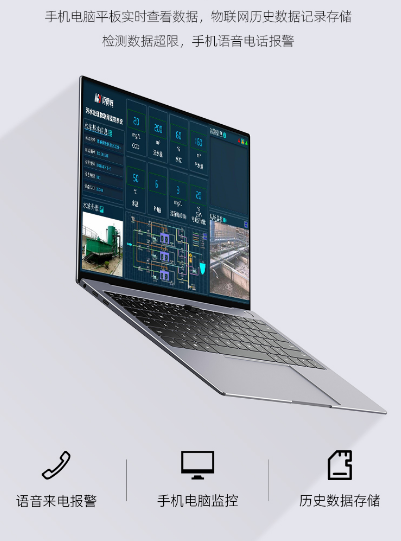
The system automatically collects and stores residual chlorine monitoring data, generating complete disinfection monitoring logs that support one-click export for health inspections. No manual sorting is needed, greatly simplifying compliance management.
Before vs After Application: A Qualitative Leap from Extensive Experience to Intelligent Precision
After integrating AI technology, online automatic residual chlorine sensors have completely transformed disinfection management in senior living communities, achieving major improvements in safety, O&M costs, labor input, and compliance:
1. Safety: From Frequent Risks to Worry-Free Health
By overcoming manual inconsistency, AI delivers precise control, maintaining residual chlorine within standards. Health risks and resident complaints drop to nearly zero, perfectly matching the wellness community positioning and enhancing resident experience.
2. O&M Costs: From Chemical Waste to Precise Dosing
Gone is the disinfectant waste caused by manual judgment. AI enables precise dosing, reducing chemical consumption by up to 30% and saving over CNY 120,000 per year, greatly easing the community’s operational burden.
3. Labor Input: From Dedicated Shifts to Unattended Control
No more 2-person round-the-clock shifts. Full unattended residual chlorine monitoring is realized. Based on industry labor cost standards, this saves over CNY 180,000 annually in labor expenses.
4. Compliance: From Missing Data to Complete Logs
Manual, error-prone paper records are replaced by AI-generated complete logs, achieving a 100% pass rate for health supervision sampling inspections and completely eliminating compliance risks.
Industry Summary: AI Empowerment Helps Wellness Communities Build High-Quality Living Environments
As the Healthy China strategy advances, health management requirements for senior living and wellness communities continue to rise. Residual chlorine disinfection control, as a core link, directly affects resident health and community reputation. The deep integration of AI and online residual chlorine water quality sensors resolves the industry’s key challenges: difficult chlorine control, poor experience, and complex compliance. Traditional monitoring devices evolve from "passive monitoring" to "active regulation", becoming the true "health guardians" of wellness communities.
This smart solution precisely controls residual chlorine to protect health and improve experience; achieves accurate dosing to cut costs and reduce waste; and enables unattended operation to save labor and boost efficiency. As the wellness living industry expands rapidly, AI-powered online residual chlorine water quality sensors have become essential for building high-quality, healthy communities, driving the industry toward a smarter, safer, and more livable future.

If you aim to lead your competitors in the AI era, partner with a professional residual chlorine monitor manufacturer and reliable China residual chlorine detector supplier – feel free to contact Medsonz today!
Previous: Break Free from Labor Constraints! "Disinfection Sentinel" Online Residual Chlorine Analyzer Enables Unattended Operation, Strengthening Bottled Water Disinfection Defense!
Next: Say Goodbye to Manual Testing for Tableware Disinfection! Online Free Chlorine Automatic Monitor – The "Hygiene Steward" Works Unattended, Safeguards Compliance & Quality!

 TEL
TEL