Avoiding Pitfalls in Cell Therapy GMP Workshops: Spending an Extra $20,000 on Remote Dosing? The Local Alarm Model of Online Residual Chlorine Detector is Compliant and Practical!
In the GMP workshop for cell therapy preparations, monitoring the residual chlorine in water quality is no trivial matter. It is directly related to the quality and safety of cell therapy preparations. However, many pharmaceutical companies have made mistakes when selecting online residual chlorine detectors. They rushed to buy detectors with the "remote dosing control" function, which cost them an extra $20,000. According to industry data statistics, about 25% of pharmaceutical companies have such blind purchasing situations. These companies ignored the strict requirement of manual re - verification in the GMP workshop. It's like spending a high price on an elevator that can't reach the designated floor directly when you can simply take the stairs. Now, let the chlorine sensor Manufacturer, Maideshi Residual Chlorine Water Quality Monitor Manufacturer, explain it to you in detail!
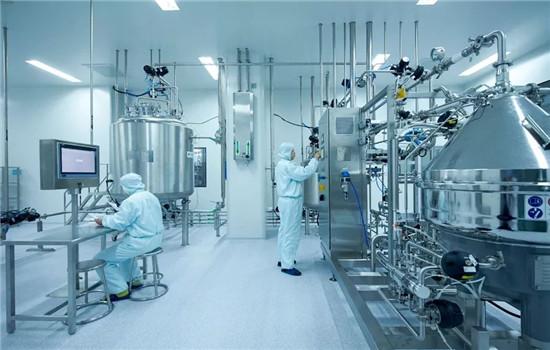
Problems with the Remote Dosing Function
The remote dosing function seems convenient but actually has many problems. The dosing instructions it sends need manual secondary verification. However, in actual use, this verification link is often ignored, just like a "hands - off manager" that only sends instructions without caring about the follow - up. In winter, the low - temperature environment will make the signal unstable. At this time, the dosing instructions may be sent with a delay or even mis - sent. For example, in a cold winter, a pharmaceutical company experienced over - dosing due to the unstable signal of the remote dosing function, which seriously affected the stability of water quality and thus the production of cell therapy preparations.
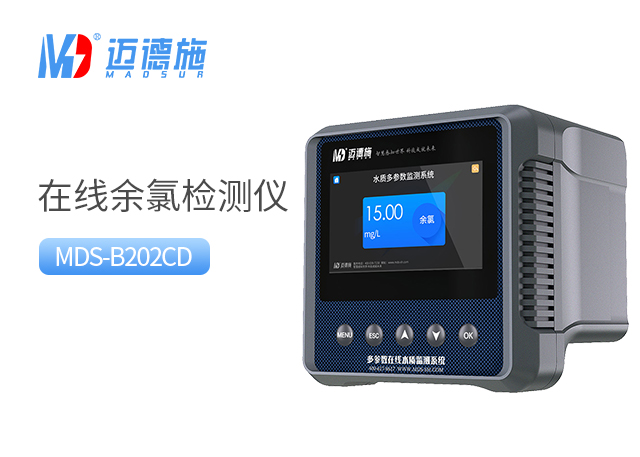
Advantages of the "Local Alarm + Manual Dosing" Model
The "local alarm + manual dosing" model of the online residual chlorine digital residual chlorine sensor is like a "rigorous reminder" that can precisely meet the compliance requirements of the GMP workshop. When the residual chlorine concentration is abnormal, it will immediately issue an alarm locally. After hearing the alarm on - site, the staff can carry out manual dosing according to the actual situation. In this way, it not only meets the requirement of manual re - verification but also avoids the risks caused by signal interference. In practical applications, pharmaceutical companies using this local alarm model have more stable water quality control and smoother production.
Comparison of Cost and Compliance
In terms of cost and compliance, the extra $20,000 spent on the remote model basically has no practical effect. Instead, it may violate the GMP water quality control standards due to signal problems. Once the standards are violated, pharmaceutical companies may face serious consequences such as product recalls and production stagnation, resulting in huge losses. The local model has a lower cost, and its operation process fully complies with the workshop's compliance requirements. The on - site operation by the staff can more accurately control the dosing amount, ensuring the production safety of cell therapy preparations. According to statistics, the incidence of production accidents caused by water quality problems in pharmaceutical companies using the local model has been reduced by 40%.
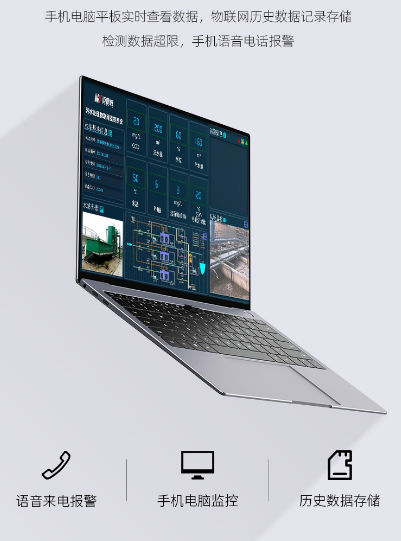
Decision - making Suggestions for Enterprises
When pharmaceutical companies choose an online residual chlorine water quality monitor, they should not blindly pursue the "remote dosing" function. They should combine the regulations of manual re - verification in the GMP workshop and give priority to the "local alarm + manual dosing" model. This can not only save costs but also avoid compliance risks, making the enterprise's production more worry - free.
Product Trust Endorsement

The local model monitor is worthy of the trust of pharmaceutical companies. It has a very high detection accuracy for residual chlorine with minimal errors. Moreover, its alarm response speed is extremely fast. Once the residual chlorine concentration is abnormal, it can issue an alarm instantly. It is fully compatible with the whole - process water quality control in the cell therapy GMP workshop. Whether it is the early water quality preparation or the water quality monitoring during the production process, it can play an important role. With it, pharmaceutical companies can better comply with production specifications and produce high - quality cell therapy preparations. Therefore, when purchasing an online residual chlorine detector, pharmaceutical companies must make a wise choice based on actual needs. If you don't know how to choose, welcome to consult Maideshi Residual Chlorine Water Quality Sensor Manufacturer at any time!
Previous: Parents, Keep an Eye on "Swimming Area Water Quality"! Maternity Centers Turn "Water Quality Anxiety" into "Competitive Advantage" with Online Residual Chlorine Sensors!
Next: Can High - end Gyms Retain Members? Unstable Pool Water Quality Is the Key! An Online Residual Chlorine Automatic Detector Can Help You Stabilize It!

 TEL
TEL