Does Ammonia Nitrogen in Water Treatment Plants "Steal" Residual Chlorine? An Online Residual Chlorine Detector Guides You on Ammonia Removal with 98% Accuracy
In the daily operation of water treatment plants, the online residual chlorine water quality automatic detector is an important "sentry" to ensure water quality safety. However, ammonia nitrogen in the raw water has become the number - one enemy of this "sentry". It is like an "invisible chlorine - consuming source", quietly affecting the detection results of residual chlorine. Ammonia nitrogen reacts with residual chlorine to form chloramines, which is like "adding a reducing agent to the disinfectant water", causing the detected value of residual chlorine to be more than 30% lower than the actual value.
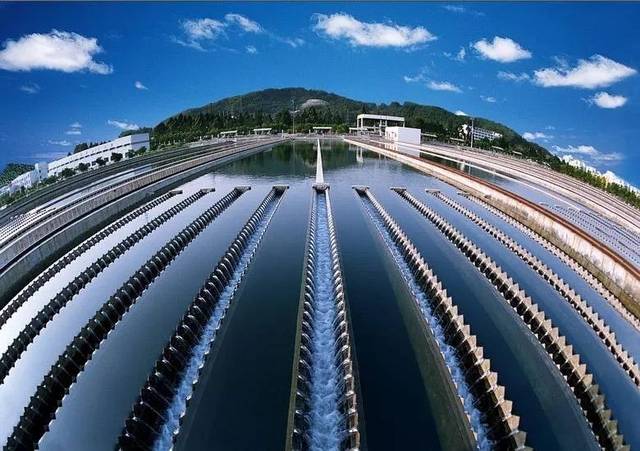
A water treatment plant once suffered a lot from this problem. Due to the low instrument reading, the plant misjudged that the residual chlorine in the outgoing water met the standard. In fact, the residual chlorine in the outgoing water was only 0.1mg/L, far below the national standard of 0.2 - 1.0mg/L. This mistake led to excessive bacteria at the end of the pipeline network, which attracted complaints from residents and a notice from the water department for rectification. During the rectification period, the plant's production decreased by 30%, resulting in a loss of more than 500,000 yuan. Moreover, the wrong data made the chlorination system add chemicals blindly, consuming 8 more tons of liquid chlorine per month and increasing the cost by 16,000 yuan.
The Key to Solving the Problem: Two - Step Method to Solve Chlorine - Consumption Interference
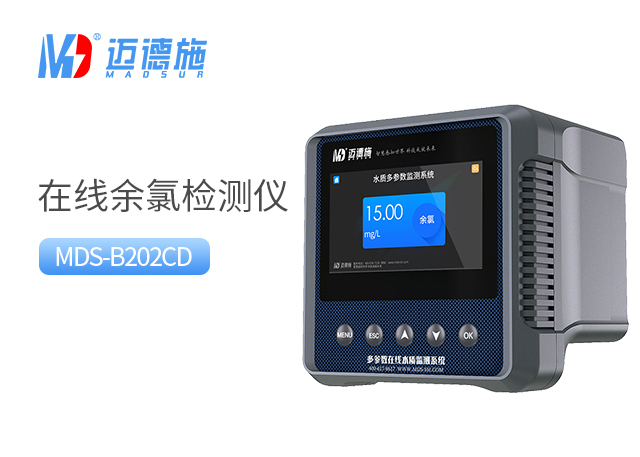
To solve the interference of ammonia nitrogen on residual chlorine detection, the two - step method of "first remove ammonia nitrogen + then measure residual chlorine" is the key. We can choose an online residual chlorine water quality automatic sensor with an in - built ammonia nitrogen pretreatment module. When sampling, the instrument will automatically add 5% more sodium hypochlorite to the water sample. This is like "removing ants before protecting a sugar cube from them". Sodium hypochlorite can quickly destroy ammonia nitrogen and prevent it from reacting with residual chlorine.
At the same time, the instrument is equipped with a "special electrode for residual chlorine detection". This electrode is like a "sharp - eyed detective", only detecting free residual chlorine specifically and not being affected by the generated chloramines, ensuring the accuracy of the detection data from the source.
Selection Points: Grasp the Core Matching Points
When water treatment plants choose an online residual chlorine analyzer, they need to grasp the following 3 core matching points.
1. Pretreatment Stability
The dosing error of sodium hypochlorite must be controlled within ±3% to ensure the same ammonia - removal effect each time and provide a stable foundation for subsequent residual chlorine detection.
2. Detection Accuracy
The residual chlorine detection range should cover 0.01 - 5.0mg/L, which complies with the GB 5749 - 2022 standard, and the error should be controlled within ±5% to ensure the accuracy of the detection results.
3. Anti - interference Ability and Linkage Function
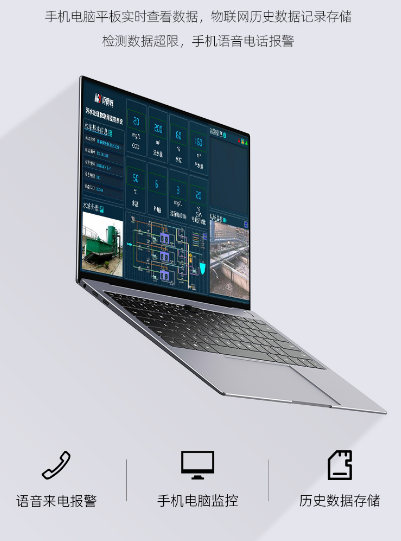
The instrument should be able to filter the influence of iron and manganese ions in the raw water on the detection to adapt to the water quality of different water sources. In addition, the instrument should have a linkage function and can be connected to the water plant's chlorination system. When the residual chlorine does not meet the standard, it can automatically trigger chemical dosing without manual intervention, improving work efficiency.
Effect Verification: Significant Benefit Improvement
After a county - level water treatment plant applied this online residual chlorine meter, the effect was very significant. The accuracy of online residual chlorine detection increased significantly from 72% to 98%. The residual chlorine in the outgoing water has been stable at 0.3 - 0.8mg/L for 6 consecutive months, and there have been no more complaints about the pipeline network water quality.
Thanks to the accurate data guidance of the chlorination system, the consumption of liquid chlorine decreased by 5 tons per month, and the cost was reduced by 10,000 yuan. The failure rate of the instrument's pretreatment module is extremely low, less than 1% per year, and it only needs to be replenished with sodium hypochlorite once a month, greatly reducing the operation and maintenance cost. Moreover, the water plant passed 3 water quality spot - checks by the water department smoothly.

In conclusion, choosing a suitable online residual chlorine monitor and adopting the method of "first remove ammonia nitrogen + then measure residual chlorine" can effectively solve the interference of ammonia nitrogen on residual chlorine detection, save costs for water treatment plants, and ensure water quality safety. If you also encounter similar problems, welcome to consult Meideshi, a chlorine sensor Manufacturer!
Previous: Frequent Deaths in Cell Therapy Preparations? Secretly Use an Online Residual Chlorine Detector to Find the Culprit, with a Peer Survival Rate of 95%!
Next: Winter Pool: 20 People Allergic! Online Residual Chlorine Automatic Sensor: Install a "Disinfection Butler" for Heated Pool Water, Reducing Complaint Rate from 15% to 0!

 TEL
TEL