Does the "Disruption" of Residual Chlorine in the Pipeline Network during the National Day Mean Water Quality Risk? Set the "Cruise Mode" for Online Water Quality Sensors, Just Like Adjusting the Constant Temperature of a Thermos, Ensuring Water Safety!
During the National Day holiday, water treatment plants face a peak in water consumption, and the stability of residual chlorine in the pipeline network becomes crucial. However, if the online residual chlorine sensors do not have the "cruise mode" function, it's like a thermos without a tightly - fitting lid. The residual chlorine is likely to drop rapidly, just like the hot water in the thermos, resulting in a "disruption" and affecting water quality safety. Let Maideshi, a chlorine sensor manufacturer, explain it in detail for you!

Take a certain water treatment plant as an example. During the National Day holiday last year, without setting the sensor's cruise - linkage function, the residual chlorine content in the pipeline network dropped sharply to below 0.05mg/L during the peak water - use period. In the subsequent water quality spot - checks, the water quality in three residential areas failed to meet the standards. To solve this problem urgently, the water treatment plant had to add chlorine manually, which cost 20,000 yuan. Moreover, the sub - standard water quality led to residents' complaints, causing quite a headache for the water treatment plant. This fully demonstrates the serious harm that the absence of the "cruise mode" can bring to water treatment plants.
Root Causes of Residual Chlorine "Disruption"
1. Pipeline Network Pressure and Delayed Chlorine Supplementation
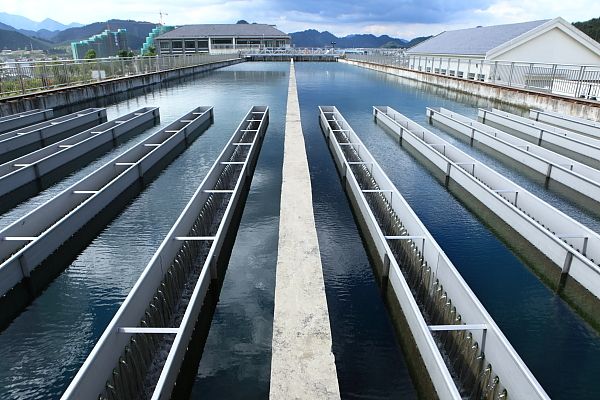
During the National Day holiday, the water consumption increases significantly, causing a sudden change in pipeline network pressure. This accelerates the consumption of residual chlorine. However, the sensors are not linked with the chlorine - dosing pumps, so they cannot timely detect the change in residual chlorine and control the pumps to supplement chlorine, resulting in a continuous decrease in residual chlorine content.
2. Limited Detection Range
Some sensors have a narrow detection range. For example, they can only detect residual chlorine content between 0 - 1mg/L. During the peak water - use period, the residual chlorine may drop or rise suddenly, easily exceeding this range. As a result, the detection data becomes inaccurate and fails to reflect the true residual chlorine situation in the pipeline network.
3. Lag in Manual Adjustment
During the National Day holiday, there are relatively fewer on - duty staff, making it difficult to monitor the residual chlorine situation at each node of the pipeline network in real - time. By the time the abnormal residual chlorine is detected, the best time for chlorine supplementation has often passed, exacerbating the problem of residual chlorine "disruption".
"Constant - Temperature" Cruise Setting Scheme
1. Build a Linkage Program
Connect the online residual chlorine automatic water quality sensors with the chlorine - dosing pumps and set up a scientific cruise logic. When the residual chlorine content is below 0.05mg/L, the dosing program is automatically started; when the residual chlorine content is above 1mg/L, the dosing amount is automatically reduced. In this way, the chlorine - dosing amount can be adjusted in a timely manner according to the actual situation of residual chlorine, maintaining its stability.
2. Adjust the Detection Range
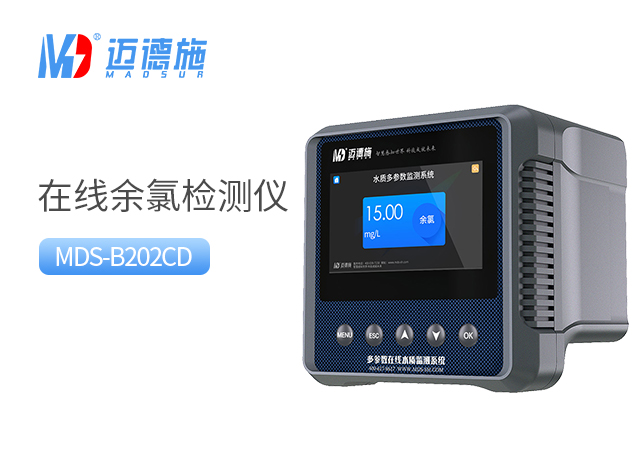
Expand the detection range of the sensors to 0 - 2mg/L, which can cover the fluctuation range of residual chlorine during the peak water - use period. This avoids data invalidation caused by the sudden change of residual chlorine exceeding the range, ensuring that the sensors can accurately detect and feedback residual chlorine information.
3. Construct a Multi - point Monitoring Network
Add sensors at key nodes of the pipeline network, such as the entrances of residential areas and the ends of the pipeline network, to form a "cruise network". These sensors can synchronize residual chlorine data in real - time, enabling the water treatment plant staff to comprehensively understand the distribution of residual chlorine in the pipeline network, and take timely measures when problems are found.
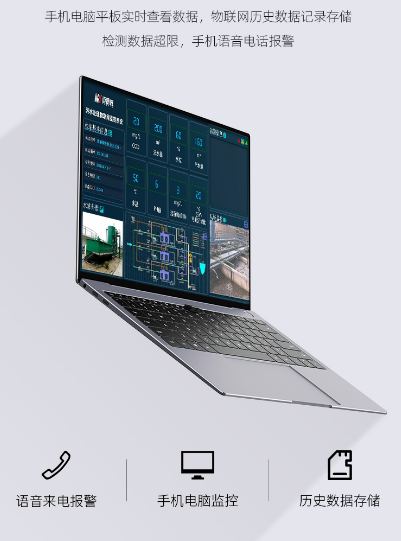
Setting the "cruise mode" for online residual chlorine sensors is like installing a smart thermos for residual chlorine. It can stabilize the residual chlorine content in the pipeline network during the National Day peak water - use period, avoiding sub - standard water quality and residents' complaints, and providing strong support for the water supply safety of water treatment plants. This allows residents to use safe and reliable tap water during the National Day holiday. If you are also troubled by similar problems, feel free to consult Maideshi, a chlorine sensor manufacturer specialized in digital residual chlorine sensors and online residual chlorine detectors!
Previous: Are You Worried About Sensor Contamination During the National Day Holiday? The "Nitrogen Purging" Method of Smart Pet Drinking Water Equipment Factories Ensures the Accuracy of Residual Chlorine Detection
Next: Monitoring Residual Chlorine in Direct - Drinking Water in E - Sports Venues: Online Water Quality Sensors with National Standard Accuracy Are Sufficient and Cost - Saving, Reducing Costs by 30% and Ensuring Safety!

 TEL
TEL