Excessive Disinfection Ruins Taste, Insufficient Poses Risks? A Must-Have for Water Plants: Online Free Chlorine Automatic Sensor Guards Drinking Water Safety!
"This batch of bottled water tastes astringent due to excessive free chlorine and all need to be scrapped!" Xiao Zhang, a monitor at a bottled drinking water plant, held the quality inspection report filled with remorse. He had manually adjusted the disinfection equipment based on experience, leading to free chlorine concentration exceeding the standard range of 0.2-0.5mg/L and causing tens of thousands of yuan in direct economic losses. In bottled water production, free chlorine monitoring is a key link to ensure drinking water safety and taste, yet three major pain points—"difficult regulation, exhausting on-duty monitoring, and tough traceability"—always keep monitors on edge, becoming a critical headache in quality control. Here comes the solution from MedSci, a professional free chlorine water quality meter manufacturer!

I. In-Depth Pain Point Analysis: Plagued by Three Problems, Bearing Dual Pressure of Quality and Safety
For monitors at bottled drinking water plants, every free chlorine monitoring problem directly relates to product quality; a slight oversight may lead to severe consequences.
First comes the challenge of high regulation precision: the free chlorine concentration of disinfection water for bottled water must be strictly controlled within the optimal range of 0.2-0.5mg/L. Excessive concentration makes drinking water have a pungent odor and astringent taste, ruining consumer experience; insufficient concentration fails to kill bacteria and viruses in water effectively, posing major safety hazards. However, traditional monitoring relies on manual regular sampling and testing, with regulation purely based on experience, leading to huge errors and frequent concentration deviations that result in product scrappage.

Second is the torment of heavy on-duty pressure. Bottled water production adopts 24/7 uninterrupted assembly line operation, requiring continuous monitoring and real-time regulation of free chlorine concentration, which forces monitors to take turns staying up late for supervision. Even in the middle of the night, they must keep an eye on data changes and manually adjust disinfection equipment immediately once anomalies occur. Long-term night shifts and high mental tension bring enormous physical and mental pressure to monitors, leading to frequent occupational diseases like insomnia and neurasthenia.
What worries monitors most is the risk of difficult data traceability. Bottled water is a food product subject to strict quality and safety supervision; full-process complete and traceable free chlorine monitoring data serves as core evidence for product qualification. But traditional equipment lacks automatic recording functions, with all monitoring data documented via manual handwritten logs—this is not only time-consuming and labor-intensive, but also prone to missing, wrong and omitted records. Once facing quality spot checks, incomplete traceability data will put enterprises in a passive position, leading to severe consequences such as fines, product recalls and even production qualification revocation, with monitors also bearing corresponding responsibilities.
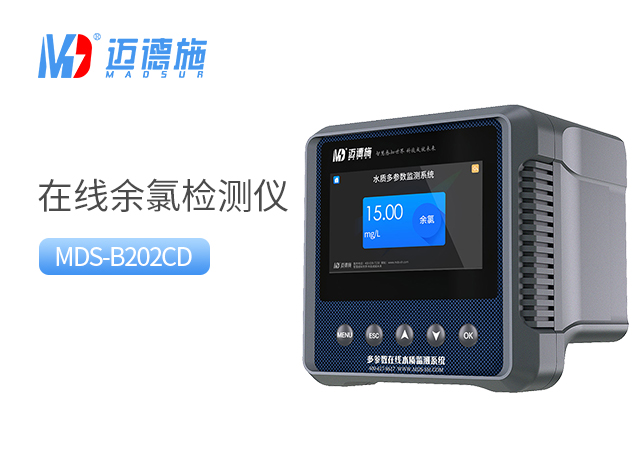
II. Instrument Solutions: Exclusive Advantages for Precise Adaptation, Fully Resolving Quality Pain Points
This online free chlorine automatic water quality sensor is tailor-made for the monitoring needs of bottled drinking water plants. With three core exclusive advantages, it accurately solves the key pain points of "difficult regulation, exhausting on-duty monitoring, and tough traceability", serving as a labor-saving tool for monitors and comprehensively guarding bottled water quality and safety.
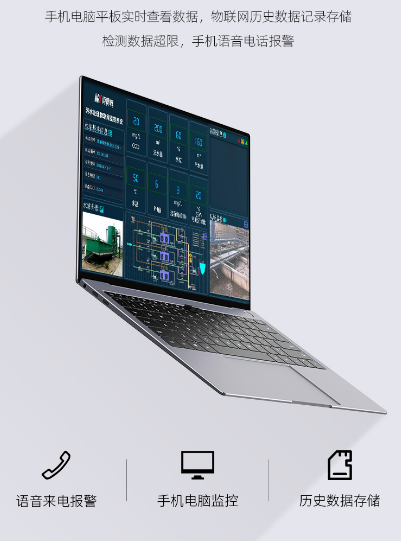
III. Quick Operation Guide: Master Core Functions in 3 Simple Steps
For bottled drinking water plants, free chlorine monitoring is the first line of defense to guard product quality and consumer health. The emergence of this online free chlorine automatic water quality sensor completely changes the passive situation of traditional monitoring relying on experience, requiring night shifts and lacking traceability. It builds a solid quality defense line with precise intelligent regulation, relieves labor burden with automatic monitoring, and resolves supervision pressure with full-process traceability, letting monitors no longer worry about concentration regulation, night shifts and quality accountability.

If you want to learn about high-quality and reliable water quality monitoring methods, feel free to consult MedSci, your trusted free chlorine water quality sensor manufacturer and professional China free chlorine detector supplier. This is not only an upgrade of monitoring tools, but also a core support for bottled water plants to achieve long-term compliant operation and enhance brand reputation. It helps enterprises stably produce safe bottled water with excellent taste and win consumers' trust!
Previous: High Precision ≠ High Applicability! A Cost-Effective Selection Guide for Online Free Chlorine Automatic Monitors in 3 Scenarios
Next: Surprising! Disinfection Effect Can Be So Intelligent? The Evolution of Online Free Chlorine Automatic Water Quality Analyzer Is Amazing!

 TEL
TEL