Is Manual Chlorine Addition Too Lagging in Hydrogen Energy Production? Online Residual Chlorine Sensor: Automatically Control the Amount within ±0.005mg/L and Bid Farewell to Compliance Anxiety
In the process of hydrogen production from electrolysis of water in the hydrogen energy industry, precise control of residual chlorine concentration is of utmost importance. Hydrogen production from electrolysis of water has extremely high requirements for the accuracy of residual chlorine concentration. However, currently, many enterprises adopt the method of manual chlorine addition, which brings a series of problems. Next, Maideshi, a chlorine sensor Manufacturer, will explain it to you in detail!
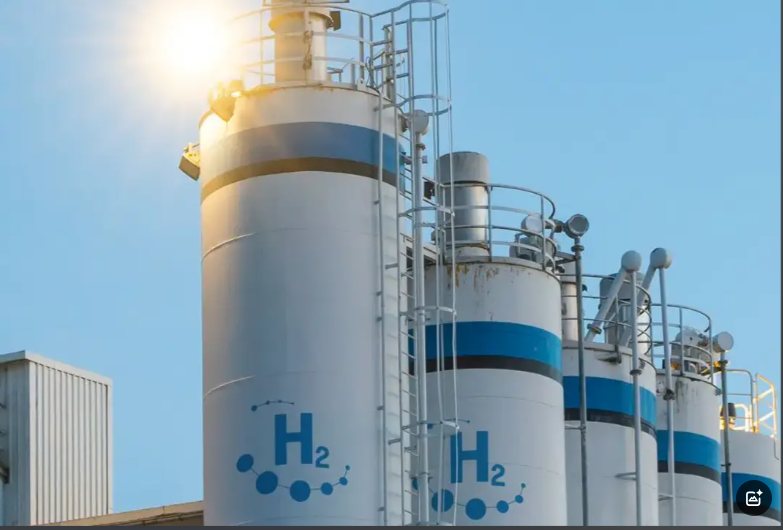
Due to the lag in the reaction, situations like "exceeding the standard when adjusting too late and being insufficient when adjusting too early" often occur. If the residual chlorine exceeds the standard, it will affect the water quality for hydrogen production, and the quality of the produced hydrogen will be greatly reduced. If the residual chlorine is insufficient, it will also have a negative impact on the hydrogen production process. Moreover, in environmental protection inspections, such unstable residual chlorine concentration is difficult to pass the test. Relying on manual monitoring for a long time not only increases labor costs but also greatly raises the risk of operational errors. Statistics show that a significant proportion of production problems are caused by operational errors during manual chlorine addition.
Core Functions of the Online Residual Chlorine Sensor

1. Automatic Quantity Control
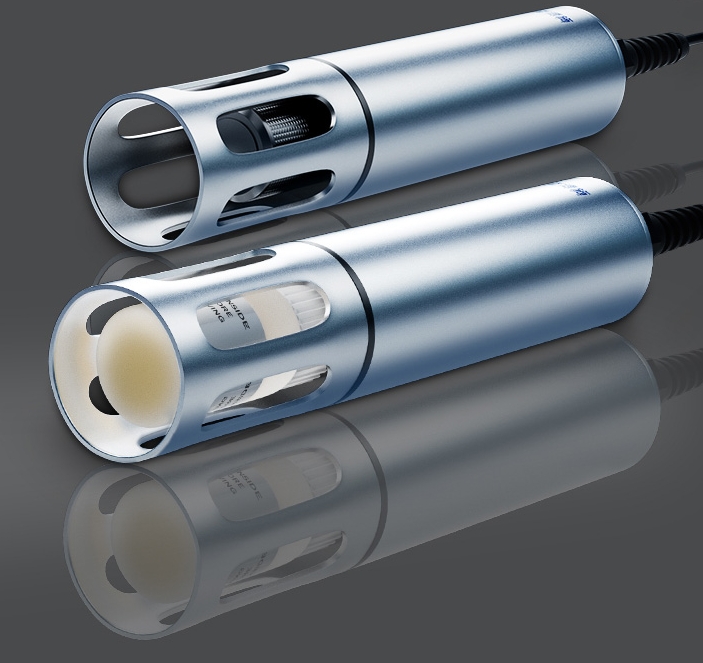
The online residual chlorine sensor is like an intelligent "chlorine - adding butler". It has a built - in intelligent algorithm that can monitor the residual chlorine concentration in real - time. Once it detects a change in the residual chlorine concentration, it will immediately link with the dosing system to automatically increase or decrease the amount of chlorine added. Moreover, it can precisely lock the fluctuation range of the residual chlorine concentration within ±0.005mg/L without any manual operation. In this way, the residual chlorine concentration can always be maintained within a stable range that meets the requirements of hydrogen production.
2. Ultra - Sensitive Detection
This sensor has a detection accuracy of up to 0.001mg/L. It is like a "super detective" that can capture tiny changes in residual chlorine. It can also predict the trend of residual chlorine concentration in advance and take corresponding measures before the residual chlorine concentration may exceed the standard or be insufficient, thus avoiding problems.
3. Abnormal Warning
When the residual chlorine concentration approaches the compliance critical value, the online residual chlorine detector will automatically issue an audible and visual alarm. It is like a considerate alarm clock, reminding the staff to check the dosing system in time. Through this double - insurance mechanism, it ensures that the residual chlorine concentration always meets the requirements of environmental protection and hydrogen production.
Comparison between Traditional Adjustment Methods and the Sensor
The traditional manual adjustment method requires sampling and testing once every 15 minutes, and the average time from detection to execution for a single adjustment is 8 minutes. During this long period, it is easy to miss the best adjustment opportunity, resulting in fluctuations in the residual chlorine concentration. In contrast, the online residual chlorine sensor realizes "second - level detection and immediate adjustment". It can detect changes in residual chlorine concentration instantly and make adjustments immediately, completely avoiding the lag problem.
Enterprise Application Scenarios
The online residual chlorine sensor is suitable for scenarios such as hydrogen production stations from electrolysis of water in the hydrogen energy industry and hydrogen production projects supporting chlor - alkali chemical industry. Especially for real - time control of residual chlorine in large - scale, continuous hydrogen production lines, it can give full play to its great advantages. In large - scale production, stable control of residual chlorine concentration is crucial for ensuring production efficiency and product quality, and this sensor just meets this requirement.
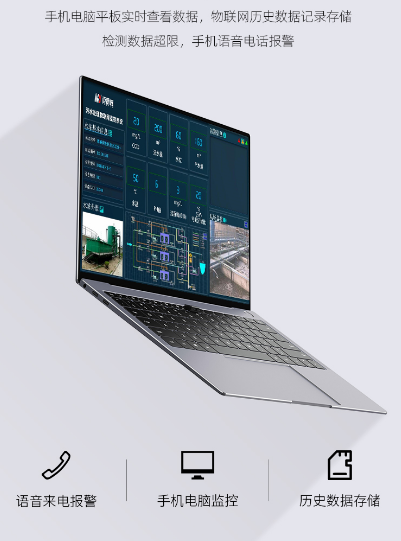
With the online residual chlorine sensor, enterprises can shift from "manual passive adjustment" to "intelligent active quantity control". It not only solves the compliance problem of residual chlorine fluctuations, enabling enterprises to easily pass environmental protection inspections, but also reduces labor input, lowering labor costs and the risk of operational errors. If you also want to improve the stability and economy of the hydrogen production process, welcome to consult Maideshi, a professional chlorine sensor Manufacturer. Our Digital residual chlorine sensor and online residual chlorine detector can bring tangible benefits to your enterprise.
Previous: Dry Air in Early Autumn! Are the Probes of Intelligent Drinking Water Line Online Residual Chlorine Automatic Analyzers Prone to Oxidation? "Apply Protection" for Accuracy!
Next: Is the Residual Chlorine Data in Water Plants on a "Roller Coaster"? Online Sensors with "Buffers" Stabilize Detection Values like Pressure Reducing Valves

 TEL
TEL