Is Your Online Residual Chlorine Detector Always Interfered by "Noise"? Ammonia Nitrogen/Organic Matter Overrides the True Value! The Manufacturer Teaches You to Eliminate Interference Accurately!
In the field of water quality monitoring, the online automatic residual chlorine monitor acts as the "guardian" of water quality safety. However, many enterprises encounter headaches when using it.
The ammonia nitrogen, organic matter and other substances in the water body are like the noisy "noise" suddenly ringing in a quiet room. Imagine trying to listen to someone speaking in a bustling market. The noise makes it difficult to hear what the other person is saying. Similarly, ammonia nitrogen and organic matter in the water seriously interfere with residual chlorine detection. As a result, the detection results of the online residual chlorine detector fluctuate, as unstable as a roller - coaster ride. Facing such detection data, staff are like people lost in the fog, unable to judge the true concentration of residual chlorine in the water body at all. This is not just about inaccurate data. It directly affects the adjustment of water treatment processes. For example, if the residual chlorine concentration is misjudged as too high, the dosage of disinfectants may be reduced, leading to the large - scale breeding of bacteria and other microorganisms in the water body and triggering water quality safety risks. If the residual chlorine concentration is misjudged as too low, excessive disinfectants will be added, resulting in resource waste and the possible generation of some harmful by - products.
So, where do these interferences come from? Residual chlorine detection mainly relies on specific chemical reactions. Ammonia nitrogen combines with residual chlorine to form chloramines. It's like in a competition, a player who should be competing with the opponent is pulled away by others to do something else, disrupting the normal process of the competition. Organic matter consumes part of the residual chlorine or reacts with the detection reagent, also making the detection process chaotic. Traditional monitors are like devices without a "noise - reduction function". Lacking targeted anti - interference design, they can't distinguish between residual chlorine signals and interference signals at all and can only output all the chaotic data.

To solve these problems for enterprises, the chlorine sensor Manufacturer has launched targeted anti - interference solutions.
1. Hardware Upgrade
The manufacturer of Digital residual chlorine sensors recommends monitors equipped with a "dual - optical - path detection system". It's like giving the monitor a pair of "sharp eyes". One beam of light is used to detect total residual chlorine, and the other is responsible for identifying interfering substances. In this way, the online residual chlorine detector can automatically eliminate the signal interference caused by ammonia nitrogen and organic matter, just like accurately capturing the sound we want in a noisy environment.
2. Reagent Optimization
The manufacturer has provided special anti - interference detection reagents with interference inhibitors added. It's like putting a "protective suit" on residual chlorine and the detection reagent, preventing ammonia nitrogen and organic matter from having non - target reactions with them and ensuring the normal progress of the detection process.
These solutions have brought significant value in practical applications. After testing, the filtering rate of interference signals has increased by 90%, which means most of the "noise" has been filtered out. The error of residual chlorine detection has also been reduced to ±3%, and the stability of the data has been significantly improved. With accurate and stable data, enterprises can precisely control the residual chlorine content in the water quality. It's like finding a bright lighthouse in the dark, clearly grasping the water quality situation, and then timely adjusting the water treatment process to effectively avoid water quality safety risks.
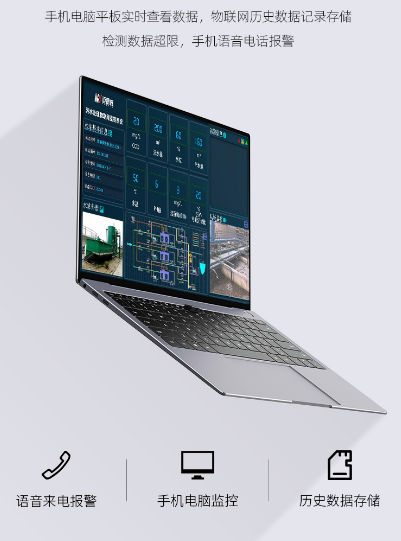
The solutions provided by the chlorine sensor Manufacturer can help you easily get rid of the interference of "noise", provide more accurate and reliable data for enterprises' water quality monitoring work, and provide stronger protection for water quality safety.
Previous: Pool Online Residual Chlorine Analyzer Purchase: Medical - Grade Precision Is Unnecessary, and Household - Grade Precision Is the Cost - Effective Choice
Next: "Vision Loss" of the Probe of the Online Residual Chlorine Detector? The Manufacturer Teaches You 3 Ways to Quickly Identify Aging and Avoid Missed Detection of Exceeding Standards

 TEL
TEL