Lack of End - of - Line Data in Smart Water Management? Online Residual Chlorine Automatic Sensor: Filling the "Last Mile" Monitoring Gap & Ensuring Water Quality Safety!
In the current water supply industry, many water supply enterprises are actively promoting smart water management systems. However, these systems generally have a problem - "monitoring breakpoints". Many smart water management systems only monitor the residual chlorine in the water leaving the water treatment plant, but fail to cover the end of the pipeline network. It's like a person can only sense the upper part of their body while the lower part is numb. Due to the lack of residual chlorine data at the end of the pipeline network, the system cannot understand the attenuation law of residual chlorine in the pipeline network at all. So - called smart solutions become "half - finished" projects. Now, let the chlorine sensor Manufacturer, Maideshi Residual Chlorine Water Quality Analyzer Factory, explain it in detail for you!
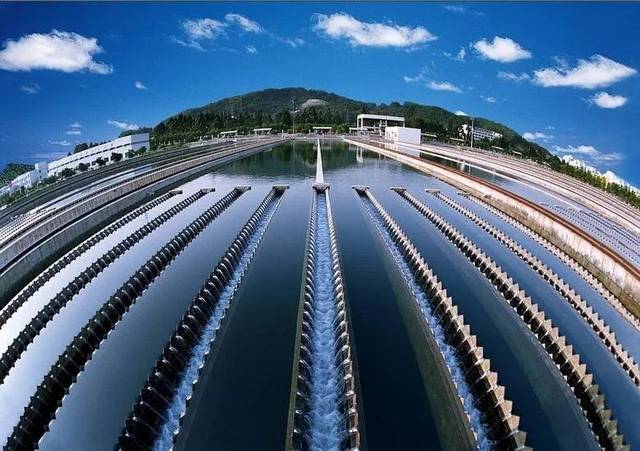
Imagine that when facing situations such as pipeline network aging and water consumption fluctuations, the residual chlorine at the end of the pipeline network is prone to exceed the standard. But without real - time end - of - line data, maintenance personnel are like headless flies, finding it difficult to quickly identify the cause of the problem. They can only adjust the chlorine dosage on a large scale, which not only increases costs but also often fails to solve the problem accurately. According to relevant data, this inaccurate adjustment method leads to a large amount of resource waste and unnecessary cost expenditure.
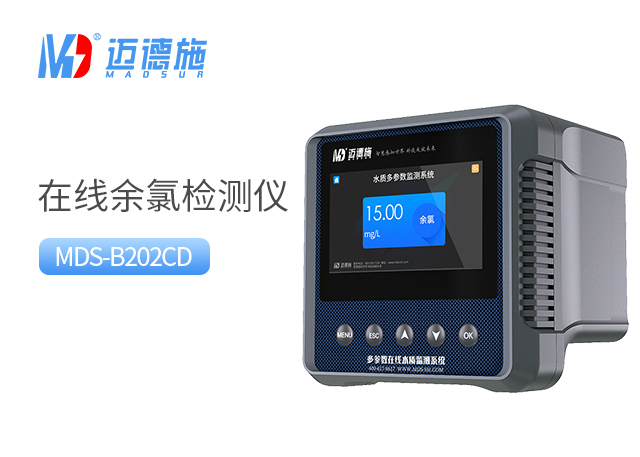
The Key to Breaking the Deadlock: Understanding the "Data Complementation" Function of Online Residual Chlorine Sensors
The online residual chlorine automatic sensor is like the "end - of - line eyes" of smart water management. It can collect real - time residual chlorine data at the end of the pipeline network. Combining these data with the data of water leaving the water treatment plant forms a complete "full - process monitoring chain". Through this chain, the smart water management platform can analyze the residual chlorine attenuation curves of different sections and at different times. With these detailed data and curves, it is possible to predict the changes in residual chlorine based on the data model. In this way, the pressure of pumping stations and chlorine - adding strategies can be adjusted in advance, transforming the previous "passive response" into "active prevention".
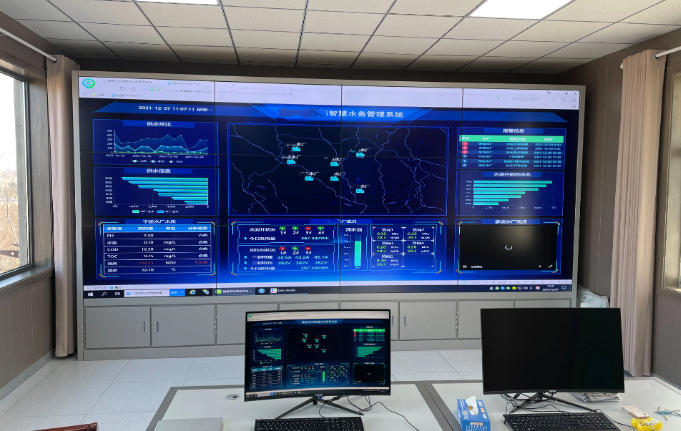
In addition, the online residual chlorine automatic sensor supports multi - point networking. The smart platform can intuitively display the distribution of residual chlorine at the end of each area. Once it is found that the residual chlorine in a certain area fails to meet the standard, it can quickly locate the specific section, greatly reducing the time for problem - solving. For example, it might have taken several days to troubleshoot a problem of excessive residual chlorine, but now with the help of the sensor, the problem can be found within a few hours.
Selection Points: A Guide for Smart Water Management Adaptation
When selecting an online residual chlorine automatic sensor, there are several points to note, which also serve as a guide for smart water management adaptation.
1. Choose a model with a long - life probe. Its service life should preferably be ≥ 18 months. This can reduce the maintenance cost of frequently replacing the probe, meeting the "low - maintenance" requirement of smart water management. After all, frequent probe replacement is not only troublesome but also incurs additional costs.
2. Give priority to equipment with a self - cleaning function. Since impurities in the pipeline network water are likely to adhere to the probe, without a self - cleaning function, manual cleaning is required frequently. This not only involves a large amount of work but may also affect the accuracy of the data. The self - cleaning function can ensure the accuracy and reliability of the data.
3. Confirm that the equipment is compatible with mainstream smart platform protocols, such as Modbus and MQTT. In this way, the sensor can be directly connected to the existing smart water management system without secondary development, quickly completing the monitoring system and saving time and cost.
Effect Verification: A Water Supply Case in a Prefecture - Level City
Before installing the online residual chlorine automatic sensor, the water supply enterprise in a prefecture - level city had a smart water management system with a residual chlorine adjustment accuracy of only 70% due to the lack of end - of - line data, and the pipeline network maintenance cost remained high. After installation, the situation improved significantly. The residual chlorine adjustment accuracy increased to 98%, successfully passing the tests of ensuring end - of - line water quality during three peak water - use periods (such as holidays).
Based on the residual chlorine attenuation data collected by the sensor, the enterprise optimized the pipeline network renovation plan, giving priority to replacing the pipelines in high - attenuation sections, and the renovation efficiency increased by 40%. Due to the stable end - of - line water quality, the city was awarded the title of "Provincial Water Supply Safety Demonstration City", and the enterprise's credibility was greatly enhanced.

In conclusion, the online residual chlorine automatic sensor is crucial for smart water management. It fills the "last mile" monitoring gap and effectively ensures water quality safety. If you are still troubled by water quality monitoring work, welcome to consult Maideshi Residual Chlorine Water Quality Sensor Factory at any time!
This article is an SEO - friendly English version, highlighting the Digital residual chlorine sensor, online residual chlorine detector, and chlorine sensor Manufacturer to meet the needs of foreign readers interested in smart water management and related products.
Previous: High-end Pools Struggle with Two Water Quality Staff? Online Residual Chlorine Automatic Analyzer Saves Labor and Stabilizes Water Quality!
Next: Hotel Air Conditioners Always "Scaling"? Online Residual Chlorine Sensor Serves as the "Cloud Steward", Automatically Adjusts Chemical Dosage & Increases Heat Exchange Efficiency by 7% While Saving Labor

 TEL
TEL