Mitigating Cross-Infection Risks: Why Hospitals and Laboratories Can’t Do Without Automatic Free Chlorine Water Quality Detectors?
For hospitals, disinfection is the first line of defense in safeguarding patient safety, and the precise control of free chlorine concentration is the core guarantee of disinfection efficacy. The testing laboratory in the Central Sterile Supply Department (CSSD), acting as the final verification station for medical disinfection, bears the responsibility of full-process free chlorine testing. A laboratory automatic free chlorine water quality detector is by no means an ordinary auxiliary device, but a mandatory core piece of equipment for eliminating cross-infection and upholding the bottom line of disinfection.
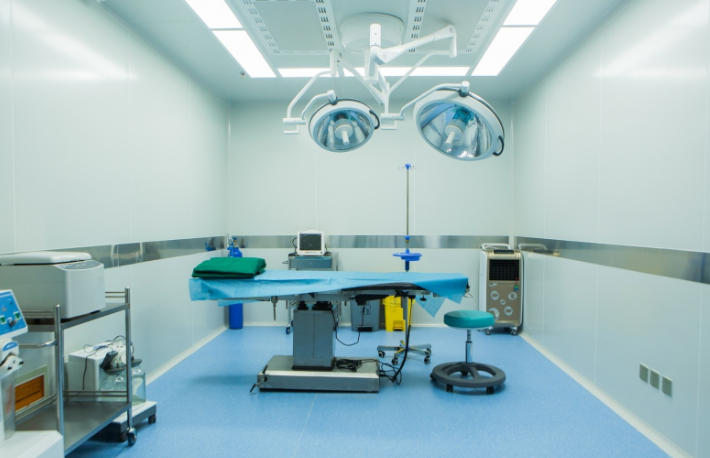
As a professional laboratory free chlorine water quality meter manufacturer and trusted China free chlorine detector supplier, we understand the critical role of this equipment in medical settings.
Testing Scenarios: Laboratories as the "Precision Verifiers" of Medical Disinfection
Testing work in the CSSD laboratory of a hospital runs through the entire chain of medical disinfection, and every piece of data is tied to patients’ lives and safety. The core tasks cover three key links:
Testing the concentration of disinfection solution after preparation to ensure the disinfectant’s efficacy meets standards;
Detecting free chlorine residues on medical devices after disinfection to avoid residual damage to the human body or infection;
Measuring free chlorine levels in disinfection wastewater before discharge to ensure compliance with emission regulations, while retaining test records for inspection by health authorities.
Medical scenarios impose extremely stringent requirements on disinfection. Whether it’s surgical instruments, diagnostic equipment, or disinfection wastewater treatment, even minor deviations in free chlorine concentration may plant hidden risks of cross-infection. The precise testing conducted by laboratories is the key to preventing such risks.
Core Pain Points: "Functional Gaps" in Online Equipment Create Blind Spots in Disinfection Control
Many hospitals have attempted to use online free chlorine sensors to assist with control, only to quickly discover that the equipment’s limitations make it impossible to cover all scenarios of medical disinfection. Like a single-function tool, it fails to meet multi-dimensional testing needs. A hospital once learned a costly lesson from a testing oversight: its online equipment could only monitor free chlorine in disinfection wastewater, but not the concentration of disinfection solution. Staff prepared disinfectant based on experience, and the low concentration led to inadequate disinfection of a batch of diagnostic instruments, narrowly avoiding a cross-infection incident.
The drawbacks of manual testing are equally prominent: not only is the error margin large, but it is also difficult to accurately quantify free chlorine content. Excessively high concentrations can corrode precision medical equipment, increasing equipment wear and tear; insufficient concentrations result in incomplete disinfection, leaving behind infection hazards. More critically, free chlorine residues on disinfected instruments cannot be detected by online equipment. If residues exceed standards, they can irritate patients’ skin and mucous membranes, and even trigger secondary infections, posing a fatal threat to medical safety.

Application Scenarios: Three Key Links to Build a Solid Safety Defense for Disinfection
The value of a laboratory automatic free chlorine water quality detector lies in filling the gaps in testing and achieving a closed loop of full-process disinfection control.
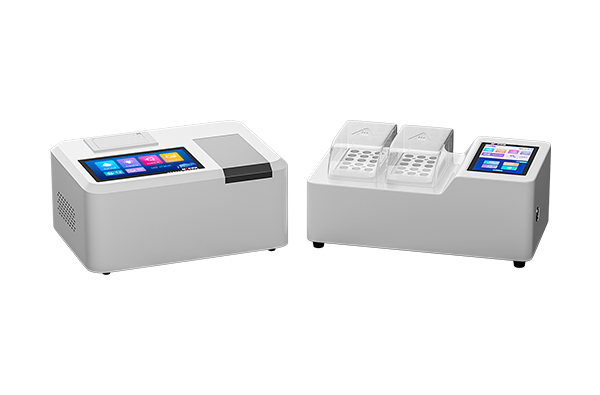
1. Testing After Disinfection Solution Preparation (Primary Core Scenario)
It accurately quantifies the concentration of disinfection solution after preparation to ensure compliance with medical disinfection standards. This not only prevents disinfection failure due to insufficient concentration but also avoids equipment damage from overly high concentrations, striking a balance between disinfection efficacy and instrument wear.
2. Residue Testing on Disinfected Medical Devices (Top Priority)
By precisely detecting the amount of free chlorine residue on medical devices after disinfection, the detector confirms compliance before the devices are put into clinical use. This eliminates the risk of cross-infection from the source and safeguards the safety of patients receiving medical treatment.
3. Disinfection Wastewater Discharge Testing
It rapidly measures free chlorine levels in disinfection wastewater to ensure compliant discharge, mitigating the risk of environmental regulatory non-compliance. At the same time, it automatically retains test records, enabling easy response to inspections by health authorities and providing a data-driven basis for disinfection control.
Application Value: The "Safety Benchmark" Guarding the Last Line of Medical Disinfection
A laboratory automatic free chlorine water quality detector is like the "safety benchmark" for hospital disinfection work. With its ultra-precise testing capability, it sets clear safety boundaries for every disinfection link. It covers full-scenario testing of disinfection solution concentration, instrument residues, and wastewater discharge, accurately capturing subtle concentration changes and transforming disinfection work from "experience-based judgment" to "data-driven decision-making".
This "safety benchmark" not only mitigates cross-infection risks and reduces equipment wear but also helps hospitals meet the dual requirements of medical disinfection and environmental compliance, safeguarding the hospital’s brand credibility. Medical safety is no trivial matter — the consequences of an infection incident caused by improper disinfection far outweigh the equipment investment. An automatic free chlorine detector is the critical barrier against such risks.
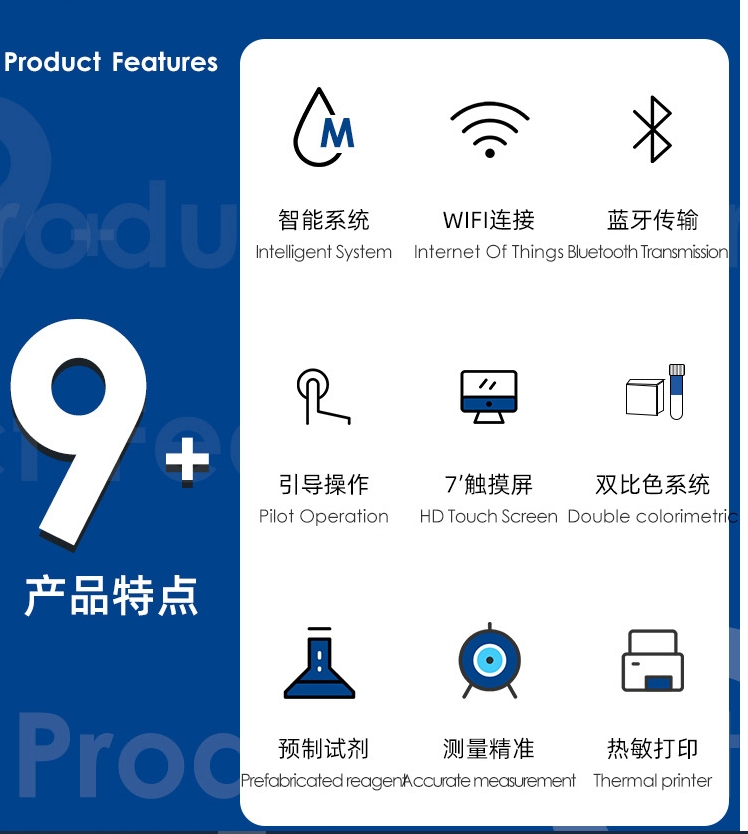
In an era of increasingly stringent medical quality control, laboratory automatic free chlorine water quality detectors have long become an indispensable piece of equipment in CSSD laboratories. They are the core support for safeguarding patient safety and fortifying the last line of defense in medical disinfection.
Previous: Dual Protection for Pool Operations: When to Adopt the Combined Setup of Online + Laboratory Free Chlorine Automatic Water Quality Monitors?
Next: Cost Savings for Direct Drinking Water Operations: Is an Online Free Chlorine Automatic Water Quality Monitor Really Necessary?

 TEL
TEL