Poor Disinfection Effect? The Residual Chlorine Fluctuation Curve Tells You Why! Practical Guide from an Online Monitor Manufacturer!
In many enterprises involving disinfection processes, poor disinfection effects are a persistent headache. Take a food company for example. Due to neglecting the residual chlorine fluctuations, the disinfection was incomplete, resulting in excessive microorganisms in a batch of products. Eventually, the company had to recall the products and was penalized by the environmental protection department, suffering heavy losses. This actually reflects a crucial issue: the residual chlorine fluctuation curve is the key to judging disinfection effectiveness. Now, let's have a detailed explanation from Maideshi Residual Chlorine Water Quality Analyzer Factory!
The Underlying Logic between Residual Chlorine Fluctuations and Disinfection Effects
Residual chlorine plays a vital role in the disinfection process. It acts like a loyal guardian, continuously killing microorganisms in the water and preventing secondary pollution. Generally, different disinfection scenarios have different normal ranges of residual chlorine concentration. Only by maintaining the residual chlorine within this range can a good disinfection effect be ensured.
There are multiple reasons for residual chlorine fluctuations. Firstly, changes in the quality of the incoming water are a common factor. If the microbial content in the incoming water suddenly increases, more disinfectant is needed to ensure disinfection, otherwise, the residual chlorine concentration will decrease. The aging of disinfection equipment can also affect the stability of residual chlorine. For instance, a malfunctioning chlorinator may lead to inaccurate chlorine dosage. When disinfectant is added manually, operational errors can cause fluctuations in the residual chlorine concentration. In addition, environmental factors such as temperature and light also have an impact on residual chlorine. Higher temperatures accelerate the decomposition of residual chlorine, and light promotes its volatilization. All these changes are reflected in the residual chlorine fluctuation curve.

Excessive fluctuations in residual chlorine are no trivial matter. If the fluctuations are too large, the disinfection effect will be unstable. When the fluctuations are too small, the sterilization may be incomplete, posing a risk of causing diseases. When the fluctuations are too large, it may lead to excessive residual chlorine, not only facing compliance risks but also causing cost waste.
Online Residual Chlorine Monitor: The "Translator" from Curve to Effect
Learning to interpret the residual chlorine fluctuation curve is a must - have skill for enterprises. Enterprises can judge whether it is a short - term interference or a systematic problem by observing the trend of the curve, such as the slope of the rise or fall, the fluctuation frequency, and the peak and valley values. If the slope of the curve suddenly becomes steeper, it may indicate a sudden change in the incoming water quality or a malfunction of the disinfection equipment. If the fluctuation frequency is too high, it may be due to unstable manual dosing.

Online residual chlorine monitors also have a historical curve query function. Enterprises can compare curves from different time periods to find patterns. For example, during the rainy season, when the pollution of the incoming water increases, the residual chlorine curve may have specific characteristics. By analyzing these characteristics, enterprises can formulate response plans in advance to ensure a stable disinfection effect.
Some high - end online residual chlorine monitors also have a linkage control function. They can be linked with the dosing system and automatically adjust the dosage of the disinfectant according to the curve. In this way, a closed - loop control of "stable curve → stable disinfection effect" can be achieved, greatly improving the disinfection efficiency.
Judging and Optimizing Disinfection Effects in Different Industries
Different industries have different requirements for disinfection effects, and the application of the residual chlorine fluctuation curve also varies. In drinking water treatment plants, monitoring the curve can ensure that the residual chlorine in the treated water is within the standard range, preventing the regrowth of microorganisms during pipeline transportation and ensuring the safety of residents' water use. Dairy product processing plants can monitor the residual chlorine curve after CIP cleaning to ensure thorough disinfection of equipment and pipelines and prevent raw material contamination. Slaughterhouses can judge the final disinfection effect based on the residual chlorine curve of wastewater, avoiding excessive pathogen emissions to meet environmental protection inspections.
Considerations for Enterprises in Selection and Use
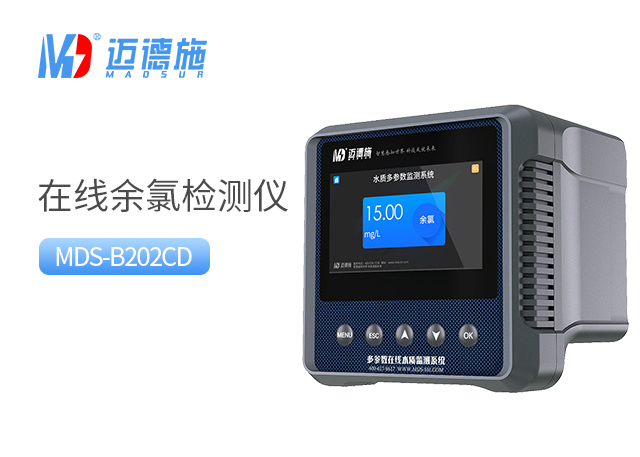
When enterprises choose an online residual chlorine monitor and a Digital residual chlorine sensor, they should select instruments with appropriate functions according to their specific needs. If linkage control is required, they should choose instruments with the corresponding function. If high detection accuracy is needed, they should choose high - precision instruments.
During use, it is also very important to calibrate the instrument regularly. Only by ensuring the accuracy of the curve can misjudgments caused by instrument errors be avoided.
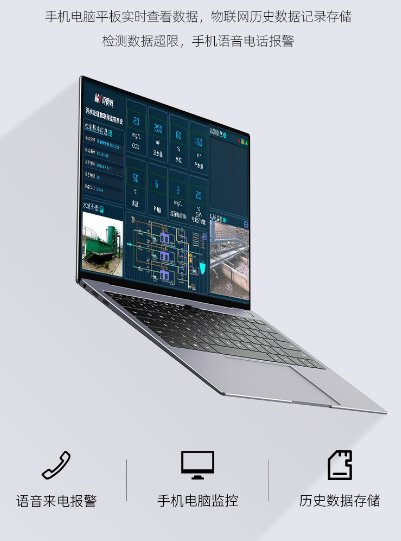
In conclusion, the residual chlorine fluctuation curve is an important tool for enterprises to judge and optimize disinfection effects. By using an online residual chlorine detector, enterprises can better understand the disinfection process and take effective measures to improve the disinfection effect. If you are looking for a reliable chlorine sensor Manufacturer to help you with accurate residual chlorine monitoring and achieve better disinfection results, Maideshi Residual Chlorine Water Quality Sensor Factory is here for you. We can provide you with high - quality products and professional technical support. If you want to accurately judge the disinfection effect, shift from "passive response" to "active prevention", welcome to consult us at any time. This will not only improve the disinfection effect but also reduce costs and avoid potential risks.
Previous: Summer Disinfection Always Fails? The Online Residual Chlorine Detector Secretly Tells You If the Disinfection Is Sufficient
Next: Summer Swimming Pool Operations: Worried About Losing Customers? Online Residual Chlorine Automatic Detector Guards Water Quality and Reputation!

 TEL
TEL