Snow-Covered Disinfection Workshop? Manufacturers Teach You to Adjust the Online Free Chlorine Automatic Analyzer and Keep Guarding the Sanitation Line!
Centralized tableware disinfection workshops are crucial barriers to safeguarding food safety. The disinfection efficacy of every set of plates and bowls relies on the precise control of an online free chlorine automatic analyzer — acting like a stringent "disinfection supervisor", it is installed beside disinfection tanks and rinsing water circulation systems, monitoring free chlorine levels in water 24/7 to ensure disinfection compliance and eliminate sanitation hazards. However, when snowy days arrive, the temperature difference between the inside and outside of the workshop, coupled with reduced electrode activity caused by low temperatures, drastically impairs the sensitivity of this "supervisor", creating numerous troubles for disinfection work. Today, as a professional free chlorine water quality meter manufacturer and trusted China free chlorine detector supplier, we combine practical experience to bring you exclusive adjustment and maintenance methods, ensuring the equipment firmly guards the sanitation line even in snowy weather.

I. Snowy Day Pain Points: Why Does the "Disinfection Supervisor" Suffer from Sensitivity Decline?
Tableware disinfection has strict requirements for free chlorine content, which must be stably maintained between 0.3–0.5mg/L. Excessive levels easily cause residues that corrode tableware, while insufficient levels fail to completely kill bacteria.
When snowy weather hits, the temperature difference between the inside and outside of the disinfection workshop often reaches 18°C. Condensation generated by the alternation of hot and cold seeps into the equipment like tiny water droplets, quietly eroding the electrodes and wiring interfaces — just like sprinkling a layer of "corrosive agent" on precision components.
Low temperatures can directly reduce electrode activity by more than 25%, similar to how human hands and feet become numb and lose sensation in the cold, greatly weakening the ability to detect free chlorine. Most critically, if the temperature of disinfection water fluctuates by more than 2°C due to ambient cooling, it will interfere with detection accuracy, leading to misjudgment by the "supervisor" and compromising the disinfection effect of tableware.

II. Core Risks: Three Hidden Dangers Crossing the Sanitation Red Line
Every interference caused by snowy weather to the online free chlorine automatic analyzer is directly related to the sanitation safety of tableware. Reduced electrode activity results in lagging data, making it impossible to detect substandard free chlorine levels in a timely manner. Disinfected tableware may carry bacteria, and once it flows into restaurants and households, it can cause gastrointestinal discomfort.
Condensation seeping into interfaces can easily cause short circuits, directly interrupting detection. The disinfection workshop has to operate blindly, putting batches of tableware at risk of disinfection failure. Data deviations caused by water temperature fluctuations, if misjudged as insufficient free chlorine and leading to blind chemical dosing, will result in excessive residues on tableware, which in turn causes secondary pollution. A disinfection factory once experienced equipment shutdown due to short circuits in snowy weather, and a batch of improperly disinfected tableware was returned, resulting in nearly 10,000 yuan in losses.
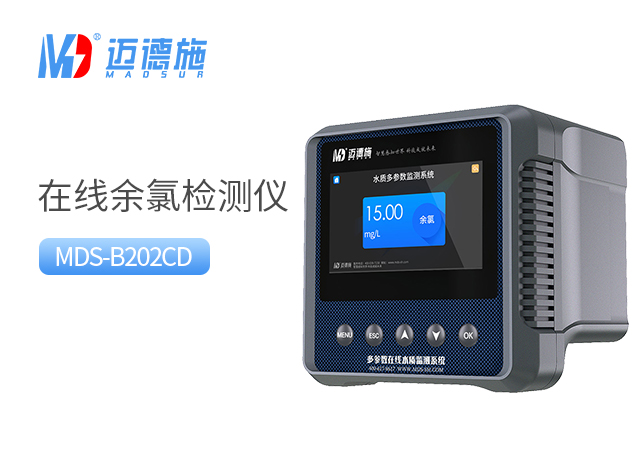
III. Tiered Maintenance: Add "Anti-Freezing Protection" to the "Supervisor"
To ensure the online free chlorine automatic water quality sensor performs its duties normally in snowy weather, targeted adjustment and maintenance must be carried out around three core aspects: temperature control, cleaning and sealing, to comprehensively resist the invasion of low temperatures and condensation, and hold the line on disinfection standards.
1. Constant Temperature Electrode Protection: Place a "Constant Temperature Heating Pad" Under the Electrode
The electrode is the "core sensor" of the analyzer, and low temperatures are most likely to damage its activity. The temperature of the disinfection workshop must be stably controlled between 20–30°C. Meanwhile, a dedicated insulation sleeve should be installed on the sensor electrode — just like placing a soft constant temperature heating pad under the electrode — to firmly retain heat and maintain electrode activity. Synchronously stabilize the temperature of disinfection water to avoid detection interference caused by water temperature fluctuations, allowing the "supervisor" to maintain sharp sensitivity at all times and accurately capture changes in free chlorine levels.
2. Daily Renewal: Double Protection from Cleaning and Calibration
Before leaving work every day, gently wipe the scale and condensation residues on the electrode surface with a dry soft cloth to prevent contaminants from adhering and affecting detection results. Remember not to let the electrode come into direct contact with disinfection chemicals to avoid corrosion and damage. Before starting work each day, calibrate the equipment with a 0.5mg/L standard free chlorine solution, and check the smoothness of data transmission lines to eliminate interference from condensation, ensuring every detection is accurate and reliable, and the "supervisor" makes no misjudgments or omissions.
3. Sealing Reinforcement: Build a Strong "Waterproof Line of Defense"
Condensation is the "invisible killer" of equipment short circuits, so focused sealing protection is essential. Wrap the equipment's wiring interfaces and electrode connections tightly with waterproof tape, layer by layer, to form a tight waterproof barrier and prevent condensation from seeping in and causing short circuits. Regularly inspect the sensor's sealing performance every week; if aging or damaged seals are found, replace them immediately to eliminate hidden dangers in details and ensure stable equipment operation.
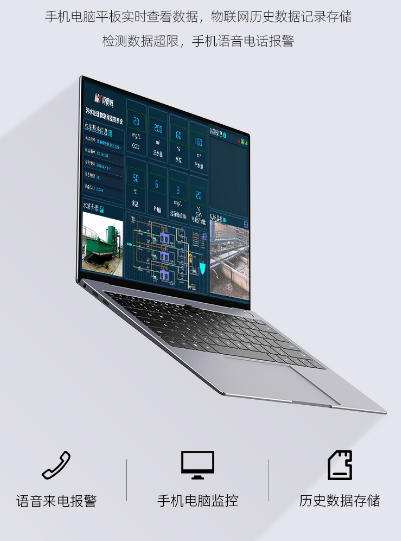
IV. Emergency Handling: Quickly Resolve Snowy Day "Disinfection Monitoring Crises"
If the equipment malfunctions suddenly, following a scientific process can quickly restore normal operation and minimize losses.
If tests reveal reduced electrode activity and consistently inaccurate data, replace the electrode with the same model immediately. After replacement, recalibrate with a standard solution and confirm accuracy before putting it back into service.
If a short circuit occurs, cut off the equipment's power supply immediately. Remove the waterproof tape from the wiring interfaces, wipe the interfaces with anhydrous alcohol to remove residual moisture, place them in a dry area to air dry, and then reconnect them. Only after the workshop temperature and equipment temperature stabilize and the test data is normal can disinfection work be resumed.
For the operation and maintenance of disinfection workshops in snowy weather, the stable operation of the online free chlorine automatic analyzer is the "reassurance" for sanitation safety. Implement this set of adjustment and maintenance methods to keep the "disinfection supervisor" performing at its best throughout the cold winter. Has your disinfection workshop also encountered water quality monitoring problems in snowy weather? Feel free to leave a message to MedSci, your reliable free chlorine water quality sensor manufacturer, to share your experiences, and let’s jointly safeguard the sanitation safety of food on the tip of the tongue!
Previous: Crunching the Numbers on Pool Operations: Is an Online Free Chlorine Automatic Water Quality Monitor Worth the Investment?
Next: Excessive Bacteria in Bottled Water? Install "Smart Eyes" in Disinfection! Online Free Chlorine Automatic Detector Guards the Safety Line!

 TEL
TEL