Struggling with Water Disinfection in Emerging Industries? Online Residual Chlorine Water Quality Sensor: Real-time Sensing for Precise Dosage Control and Zero Pollution Residue!
In the development process of emerging industries, water disinfection has become a thorny problem, which the chlorine sensor Manufacturer, Maideshi, deeply understands. Most emerging enterprises lack mature experience in disinfection control, and the residual chlorine concentration fluctuates significantly with changes in water temperature and pH value. For example, when the water temperature rises, the decomposition speed of residual chlorine accelerates, leading to a decrease in concentration. Different pH values also change the existing form of residual chlorine, thus affecting the disinfection effect.
However, the traditional manual sampling and testing method yields discontinuous data, like a handful of loose sand, unable to form a complete trend chart. Enterprises cannot adjust their disinfection strategies in a timely manner based on these scattered data, resulting in a dilemma of either "incomplete disinfection" or "excessive residue". According to relevant surveys, about 70% of emerging enterprises have encountered similar problems in water disinfection.

Next, let's take a look at three emerging industries prone to problems in residual chlorine control.
1. Community Smart Direct Drinking Water Enterprises
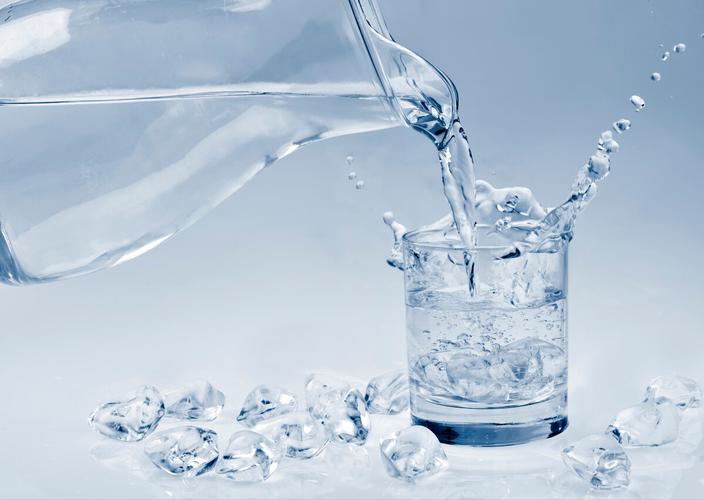
Direct drinking water must be disinfected with chlorine to ensure safety. However, if the residual chlorine exceeds the standard, it will give the water a strange taste, affecting the taste. More importantly, it poses potential risks to human health. If the residual chlorine is insufficient, it cannot inhibit the growth of bacteria in the pipes, and the safety of direct drinking water cannot be guaranteed. Therefore, such enterprises need to monitor the residual chlorine concentration in real - time to make direct drinking water both safe and palatable.
2. Biomedical GMP Cleaning Enterprises

After cleaning pharmaceutical production equipment, chlorine is used for disinfection. But if there is residual chlorine, it will contaminate the pharmaceutical raw materials, leading to the scrapping of an entire batch of drugs. The traditional testing method is time - consuming, and enterprises can only wait for the test results, which seriously slows down the production progress.
3. Modular Sewage Treatment Stations (Distributed)
These stations mainly serve emerging industrial parks, and the treated water must meet the discharge standards. Insufficient residual chlorine will cause the bacteria in the effluent to exceed the standard, failing to meet the discharge requirements. Excessive residual chlorine will pollute the surrounding water bodies. Moreover, these stations are scattered, and manual inspections cannot achieve real - time control at all.
However, the emergence of the online residual chlorine automatic water quality sensor, such as the Digital residual chlorine sensor, provides a solution to these problems. It does not require manual on - site supervision. Like an indefatigable little guard, it stands guard 24 hours a day. It can also automatically compensate for the interference of water temperature and pH value, ensuring accurate detection data. Enterprise staff can remotely view the data via mobile phones or computers, fully meeting the needs of automated production in emerging industries.
With this sensor, enterprises can shift from "passive remediation" to "active control". It can provide real - time residual chlorine concentration data, and enterprises can precisely adjust the disinfection dosage based on these data. For example, the sensor can be automatically linked with the dosing equipment. When the residual chlorine concentration is low, it automatically increases the dosing amount; when the concentration is high, it reduces the dosing amount, fundamentally avoiding the situations of "over - disinfection" or "insufficient disinfection".
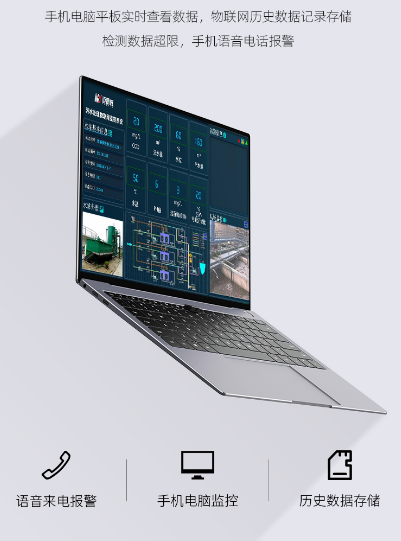
To address the concerns of emerging industries about "not knowing how to use" and "difficult maintenance", we provide a series of after - sales support services. Professional staff will come to the site for installation and debugging to ensure the normal operation of the sensor. Regular calibration will also be carried out to guarantee the accuracy of the data. If the sensor malfunctions, we can quickly locate and solve the problem through remote troubleshooting.
If your enterprise is also troubled by residual chlorine monitoring problems, welcome to consult Maideshi, the chlorine sensor Manufacturer, for a free industry - suitability assessment at any time. Make water disinfection more precise and residue control comprehensive. Don't let residual chlorine problems hinder the development of your enterprise. Act now!
Previous: High Cost of Changing Water in Swimming Pools? The Synergy of Online Residual Chlorine Detector and Circulating Filtration System Saves Water and Maintains Water Quality
Next: These 3 Industries Have Secretly Been Using Online Residual Chlorine Automatic Monitors to Guide Production and Reduce Costs while Increasing Efficiency!

 TEL
TEL