The Aseptic Bottom Line Must Not Be Breached! Online Free Chlorine Automatic Water Quality Detectors Reject Delayed Water Quality Data!
For a hospital’s Central Sterile Supply Department (CSSD), free chlorine is like an invisible guardian of medical safety, with a concentration range of 5~10mg/L serving as the core defense line for instrument sterility. Yet the hidden danger of delayed data often renders this defense line ineffective — at best, it leads to insufficiently disinfected instruments entering clinical use, and at worst, it triggers hospital-acquired infection (HAI) outbreaks, laying fatal risks to patients’ lives and health. The application of an online free chlorine automatic water quality detector is like installing an intelligent sentinel in the disinfection process, building a solid aseptic bottom line for medical care through real-time and precise monitoring. Below, as a professional free chlorine water quality detector manufacturer, we explain this in detail for you!
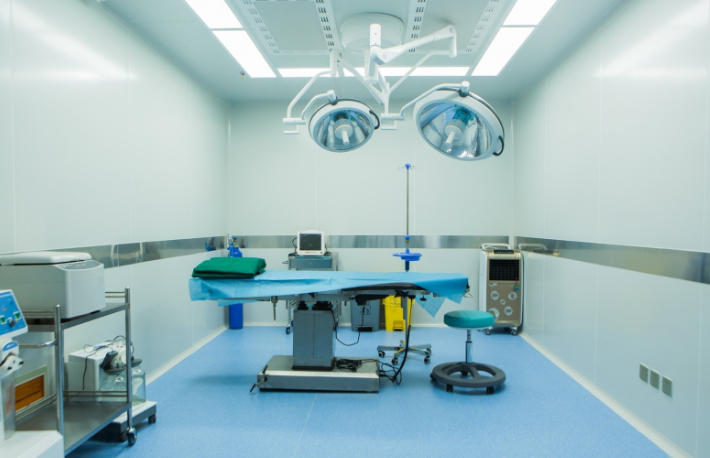
The Fatal Hidden Danger of Delayed Data: An HAI Time Bomb and a Crisis of Trust
Li Min, a head nurse with years of experience in the CSSD, has a profound understanding of the importance of free chlorine monitoring. Previously, the hospital adopted traditional manual sampling and testing, with data delayed by nearly an hour. There was an incident where a drop in free chlorine concentration was not detected in a timely manner, and a batch of insufficiently disinfected surgical instruments was sent to the operating room. Fortunately, the issue was found during pre-operative checks and no serious consequences ensued. However, the subsequent hospital-wide instrument review and disinfection process rectification not only disrupted normal clinical order but also put the entire department on high alert.
This was only a risk narrowly averted. Once improperly disinfected instruments trigger an HAI, the consequences are unthinkable — cross-infection will spread rapidly, threatening patients’ lives and health, like detonating a time bomb for medical safety. After an HAI outbreak, the hospital will face interviews and rectification orders, restricted clinical services, and a plummeting public credibility. The costs of subsequent infection control and patient treatment will remain stubbornly high, and medical disputes are highly likely to arise, plunging the hospital into a multifaceted predicament.
Core Demands of Medical Staff: Real-Time Controllability and Compliant Traceability

"The CSSD is the ‘aseptic core’ of a hospital, admitting no delay or deviation whatsoever." Li Min admitted that the most urgent need of medical staff is to break free from the limitations of traditional testing. They need a device that can closely monitor free chlorine concentration in real time and maintain stable and precise monitoring even in high-temperature disinfection environments. At the same time, it must realize the bound traceability of disinfection batches, instrument types and data, meeting the daily inspection needs of the Infection Control Department and the traceability requirements for emergencies, making disinfection work both safe and compliant.
Four Key Selection Criteria: Fortifying the Medical Aseptic Defense Line
1. High-Temperature Precision: Acting as a "High-Temperature Calibrator" for Uncompromised Data
Hospital instrument disinfection often adopts high-temperature processes with water temperatures exceeding 80℃, and ordinary detectors are prone to data drift. High-quality equipment must expand the high-temperature compensation range, enabling it to accurately lock the free chlorine concentration within 5~10mg/L even in high-temperature environments, with errors controlled within a reasonable range. It’s like being equipped with a high-temperature precision calibrator, leaving no room for concentration deviations to slip through the cracks and ensuring full compliance throughout the high-temperature disinfection process.
2. Instant Response: Installing an "Aseptic Safety Valve" to Guard the Final Checkpoint
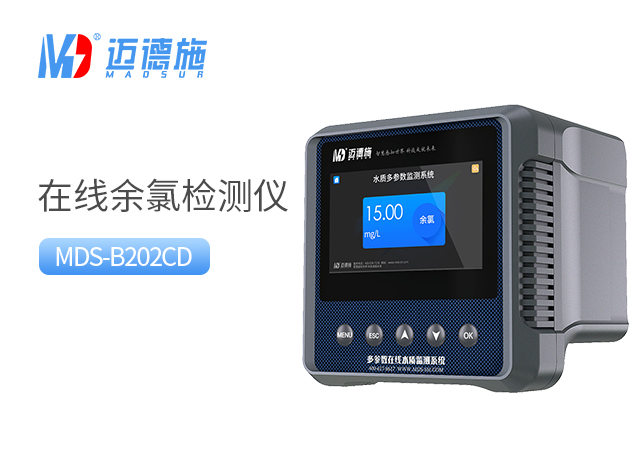
For disinfection work, every second of delay may plant a risk. The online free chlorine automatic sensor can capture real-time changes in free chlorine concentration, and immediately trigger an audible and visual alarm once the concentration drops below the standard value, reminding medical staff to make timely adjustments. It’s like installing an aseptic safety valve in the disinfection process, eliminating the flow of non-compliant instruments from the CSSD at the source and guarding the final checkpoint of medical safety.
3. Aseptic Adaptation: Wearing "Medical Aseptic Armor" for Harsh Environment Compatibility
Class 10,000 aseptic workshops have extremely high aseptic requirements for equipment. The detector’s probe must adopt a fully sealed design, withstand high-temperature and high-pressure sterilization, leave no residual dead corners, and cause no secondary pollution. It’s like dressing the sensor in medical aseptic armor, perfectly adapting to the harsh environment of the CSSD, neither damaging the aseptic atmosphere nor compromising stable monitoring performance.
4. Traceable and Controllable: Equipped with a "Disinfection Archivist" for Stress-Free Compliance
HAI inspections emphasize "evidence-based verification". The equipment must store data linked to information such as disinfection batches, instrument types and disinfection time, automatically generate standardized reports, and retain data in accordance with the requirements of medical record management. It’s like having an exclusive medical disinfection archivist — medical staff no longer need to sort out ledgers manually, and the Infection Control Department can quickly retrieve data during inspections, making compliant management efficient and reliable.
More Than Just Monitoring: Fortifying the First Line of Defense for Medical Safety
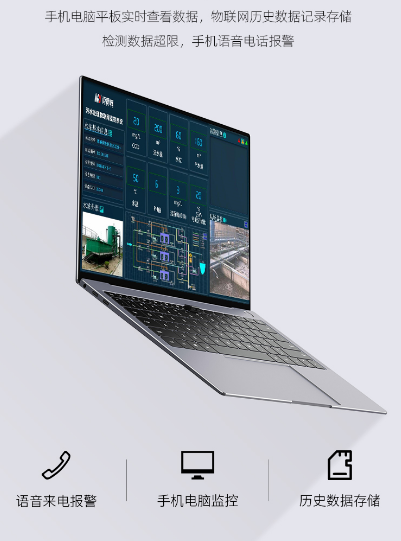
The online free chlorine automatic water quality detector has long transcended the attribute of a mere monitoring tool. It avoids HAI risks through real-time and precise monitoring, meets medical management requirements through compliant traceability, and ensures the smooth progress of the disinfection process with stable adaptability. For hospitals, this device is not only a powerful assistant in upholding the aseptic bottom line but also a core barrier for protecting patient health, safeguarding hospital credibility, and reducing medical risks, ensuring every instrument serves patients with a mark of safety.
If you are looking for a water quality monitor with faster response speed, feel free to leave a message to MedSci, your reliable free chlorine water quality sensor manufacturer!
Previous: The "Disinfection Sentinel" for Hospital Water Supply: Online Free Chlorine Automatic Water Quality Sensors – 24/7 Continuous Monitoring to Fortify the Aseptic Defense Line!
Next: Severe Hazards of Delayed Data! Install an Online Free Chlorine Automatic Monitor to Avoid Swimmer Complaints & Business Suspension Crises!

 TEL
TEL