Upgrade Dialysate Water Safety: Portable Residual Chlorine Automatic Water Quality Tester Becomes the "Safety Guardian" for Dialysis Centers!
As a professional residual chlorine water quality detector manufacturer and reliable China residual chlorine detector supplier, Medsonz understands that for dialysis patients, every treatment is closely linked to life safety.The purity of dialysate water serves as the first line of defense protecting this lifeline.
Under the dual upgrade of medical safety and environmental supervision, residual chlorine concentration in dialysate water requires zero tolerance, strictly controlled below 0.1 mg/L.Once it exceeds the standard, it may cause severe adverse reactions such as hemolysis and allergies in patients.Dialysis centers will also face severe penalties and even risk having their practice licenses revoked.
However, traditional residual chlorine monitoring methods are like bulky old instruments:complex operation, insufficient accuracy, and difficulty in flexibly covering key links such as pure water production and dialysis machine water intake.Many dialysis centers are trapped in the dilemma of “difficult monitoring”, just like “dancing on the tip of a needle” — one small mistake may cross the safety red line.
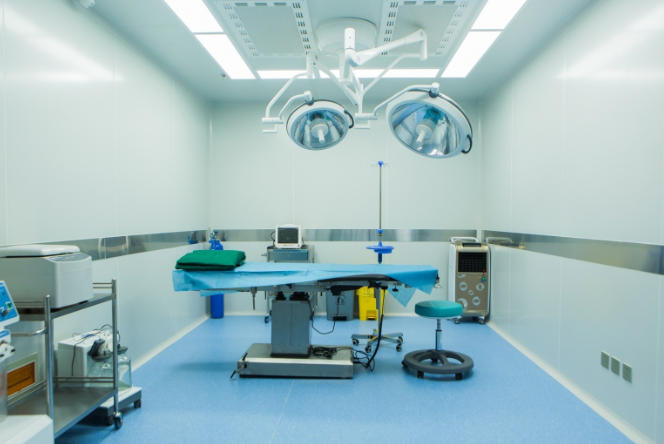
I. Safety Pain Points of Dialysis Centers: Excess Residual Chlorine Pressures Patients & Compliance
The core of dialysis treatment is blood purification through a semi-permeable membrane.Residual chlorine in dialysate water directly damages red blood cell membranes and causes hemolysis, which can be life-threatening in severe cases.
A dialysis department in a top-tier hospital once failed to detect excess residual chlorine in time using traditional equipment, resulting in hemolysis in 3 patients.This not only caused pain to patients but also led to official criticism from medical regulators and accountability for relevant personnel.
The limitations of traditional monitoring trouble center managers:
Bulky equipment cannot be carried to key points such as dialysis machines and pure water workshops, creating monitoring blind spots.
Complex operation requires professional technicians, making it difficult for ordinary medical staff to operate independently.
Insufficient accuracy cannot detect trace residual chlorine changes below 0.1 mg/L, failing to meet the zero-tolerance standard.
Cumbersome data recording cannot meet strict requirements of medical supervision and environmental traceability, putting the center in a passive position.
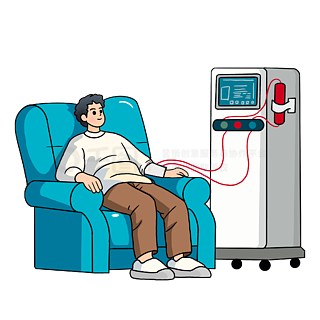
II. Dual Upgrade of Medical & Environmental Standards: Urgent Monitoring Needs for Dialysis Centers
Driven by strict medical safety and environmental regulations, dialysis centers have shifted from passive compliance to active protection:
Full-process coverage: High-frequency monitoring for pure water production, dialysis machine inlet, and other links to eliminate hidden dangers.
High precision: Accurately capture trace residual chlorine changes below 0.1 mg/L to meet medical standards.
High efficiency & convenience: Fast results to detect and handle abnormalities without disrupting dialysis treatment.
Data traceability: Automatically record and store data for supervision, inspections, and patient safety assurance.
In short, dialysis centers need a precise, fast, and flexible water safety tool.
III. Precise "Water Quality Filter": Portable Residual Chlorine Water Quality Monitor
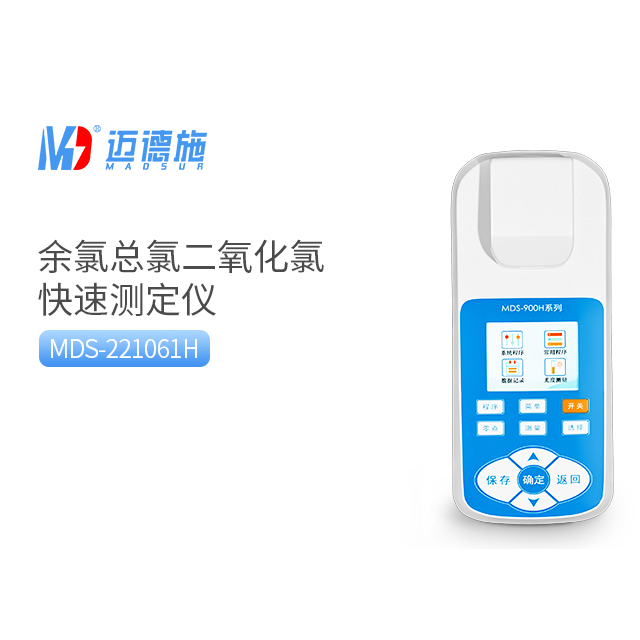
Designed for the special demands of the medical dialysis industry, the portable residual chlorine water quality monitor acts as a precision water quality filter.With high accuracy and convenience, it perfectly fits full-process monitoring scenarios and becomes a life-saving device for patients.
Lightweight and portable, it can be moved to any monitoring point.Built-in prefabricated reagent kits make operation as simple as pressing a phone.Response time is within 5 seconds, accurately detecting low-concentration residual chlorine changes.It fully meets the dialysis industry’s core needs: high precision, high frequency, and flexible monitoring.
IV. Solve Three Major Pain Points: Strengthen Dialysate Water Safety
1. Solve "Bulky & Inconvenient"
Compact and lightweight, medical staff can carry it to dialysis machines and pure water workshops.It achieves flexible multi-point monitoring, completely eliminating blind spots and ensuring safe water for every dialysis machine.
2. Solve "Insufficient Accuracy"
Ultra-high sensitivity for low-concentration detection, like a water quality microscope.It accurately identifies hidden dangers of trace residual chlorine below 0.1 mg/L, protecting patients from hemolysis and severe reactions.
3. Solve "Data & Compliance Difficulties"
Supports real-time data upload and automatic storage, with fully traceable records.It easily passes medical and environmental inspections, providing strong compliance support for safe and stable operation.
V. Summary: Small Device Guards Great Safety, Supports Compliant Dialysis Operations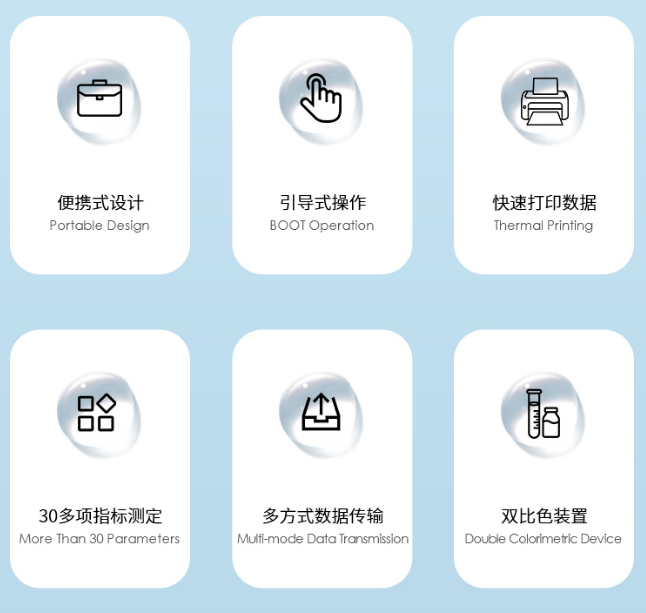
Under the dual background of upgraded medical safety and environmental protection, dialysate water safety is no longer an internal matter — it is a lifeline for patients and regulatory compliance.
The portable residual chlorine water quality monitor solves core monitoring pain points with precision, convenience, and efficiency.It is not only a precise water quality filter but also a water safety guardian for patients.
It strengthens the safety line of dialysate water, helps dialysis centers operate in full compliance, and safeguards the bottom line of medical safety, allowing every dialysis patient to receive treatment with complete peace of mind.
If you are struggling with water quality monitoring challenges, feel free to contact a professional residual chlorine water quality sensor manufacturer and trusted China residual chlorine detector supplier — Medsonz!
Previous: Spring Disinfection: A Miss by an Inch? Online Residual Chlorine Automatic Sensors Guard the “Water Safety Gate” for 3 Major Industries!
Next: AI + Online Residual Chlorine Automatic Analyzer: Say Goodbye to Tedious Manual Monitoring, Protect Hot Spring Water Comfort & Enhance Visitor Experience!

 TEL
TEL