Worried about "Mistakes" in Municipal Water Supply Disinfection? Install Residual Chlorine Sensors at These Locations for Rock - Solid Results
In the daily operation of municipal water supply, water treatment plants often find themselves in a "dilemma." When adding disinfectants, staff usually have to estimate the dosage based on experience. As a result, the residual chlorine content in the water leaving the plant fluctuates, sometimes too high and sometimes too low. Moreover, the urban water supply network is long and extensive. Staff can only "guess" whether the residual chlorine at the end of the network meets the standards. Once residents complain about the unpleasant odor of the water or excessive bacteria, it is both time - consuming and labor - intensive to troubleshoot the problem. Statistics show that about 30% of the total water - quality complaints are caused by improper residual chlorine control. However, if residual chlorine sensors are installed in appropriate locations, these problems can be easily solved. Maideshi, a chlorine sensor Manufacturer, will now explain it in detail for you!
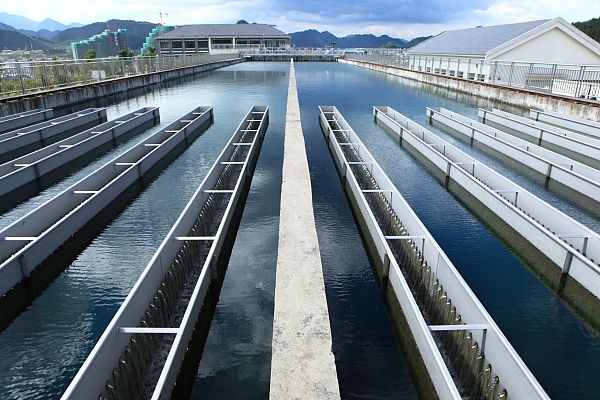
Location 1: Outlet of the Disinfectant Dosing Reaction Tank - Precise Control of the "Initial Dosage"
After the disinfectant fully reacts with water, the residual chlorine value directly reflects the disinfection effect. Installing an online automatic water - quality monitor at the outlet of the disinfectant dosing reaction tank is like having a smart little housekeeper. It can be linked with the dosing system to automatically adjust the amount of disinfectant. For example, if the monitored residual chlorine content is low, it will automatically increase the disinfectant dosage; if the residual chlorine content is high, it will correspondingly reduce the dosage. This way, it can avoid the lag of manual adjustment and keep the initial residual chlorine within the standard range.
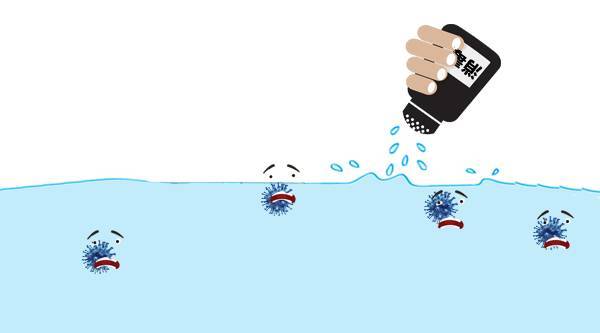
Previously, when adjusting manually, there were often problems such as "wasting disinfectant and harming the water quality when adding too much, and incomplete disinfection when adding too little." After installing the residual chlorine sensor, the raw material cost and rework rate can be effectively reduced. Data shows that after a water treatment plant installed this device, the disinfectant cost was reduced by about 15%, and the rework rate also decreased by 20%.
Location 2: Inlet of the Clear Water Tank - Guarding the "Last Pass Before Leaving the Plant"
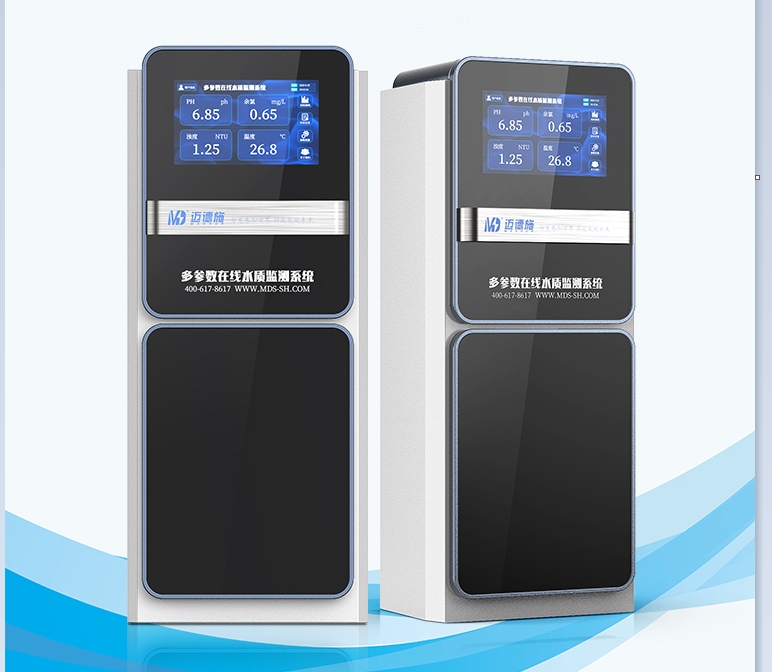
The clear water tank is where the water leaving the plant is stored. If the residual chlorine fluctuates here, it may affect the subsequent pipeline transportation. Installing a monitor at the inlet of the clear water tank can record the changes in residual chlorine in real - time, ensuring that the water entering the pipeline network is of good quality, thus reducing the pressure of subsequent regulation.
This is particularly important for large - scale water treatment plants. The large amount of water in the clear water tanks of large plants means that unstable water quality can easily lead to batch - scale water - quality problems. The automatic residual chlorine sensor is like a strict "goalkeeper," guarding this last pass and avoiding a series of problems caused by unstable water quality in the clear water tank.
Location 3: Key Nodes in the Pipeline Network (such as District Water Meter Wells) - Monitoring the "Intermediate Decay"
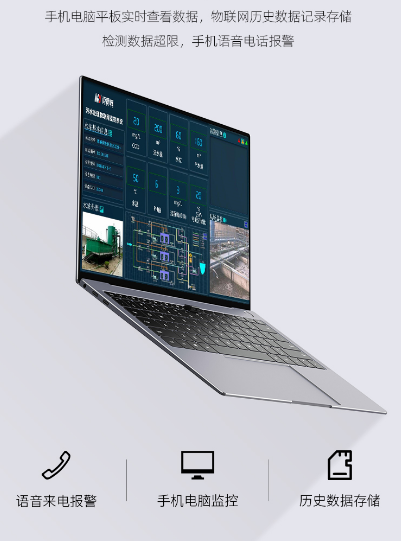
The longer the water supply pipeline network, the more obvious the decay of residual chlorine, especially in hot summers. Traditional monitoring methods can hardly detect the insufficient residual chlorine in a certain area in a timely manner. Usually, by the time residents report problems, certain impacts have already occurred.
Installing residual chlorine sensors at the partition nodes of the pipeline network can solve this problem well. Once the residual chlorine in a certain area is lower than the set threshold, the sensor can immediately locate the problem section, such as whether there is a pipeline leak or pollution. In this way, the staff can quickly handle the problem and minimize the affected area. According to the practical experience of some cities, after installing the sensors, the time for handling water - quality problems has been shortened by 30% - 40%.
In general, the online residual chlorine detector is like an "invisible quality inspector," keeping a close eye on these key locations in real - time. It transforms municipal water supply disinfection from being "experience - based" to "data - driven," making the disinfection effect more stable and management easier. If you are also troubled by water - quality disinfection problems, welcome to consult Maideshi, a chlorine sensor Manufacturer, at any time.
Previous: The "Rapid Surge" of the Online Residual Chlorine Water Quality Automatic Monitoring Instrument Market in 2025: Which Industries Are Snatching Them? And How Much Potential Is There?
Next: Too Many People in the Water Park, Hard to Control Water Quality? The Online Residual Chlorine Sensor Keeps a Precise Watch, Making Visitors More at Ease

 TEL
TEL