Zero Risk in Oral Disinfection! Online Residual Chlorine Water Quality Automatic Sensor: The "Sterile Combination Lock" for Hospitals!
In dental hospitals, the most concerning issue for everyone is disinfection safety, and everyone hopes to achieve "zero infection." Our online residual chlorine sensor is like a "sterile combination lock," firmly controlling disinfection safety. This "lock" is extremely crucial as it can precisely ensure the disinfection work in dental hospitals, minimizing the risk of infection and directly hitting the pain points of dental hospitals. Now, let the chlorine sensor manufacturer explain it to you in detail!
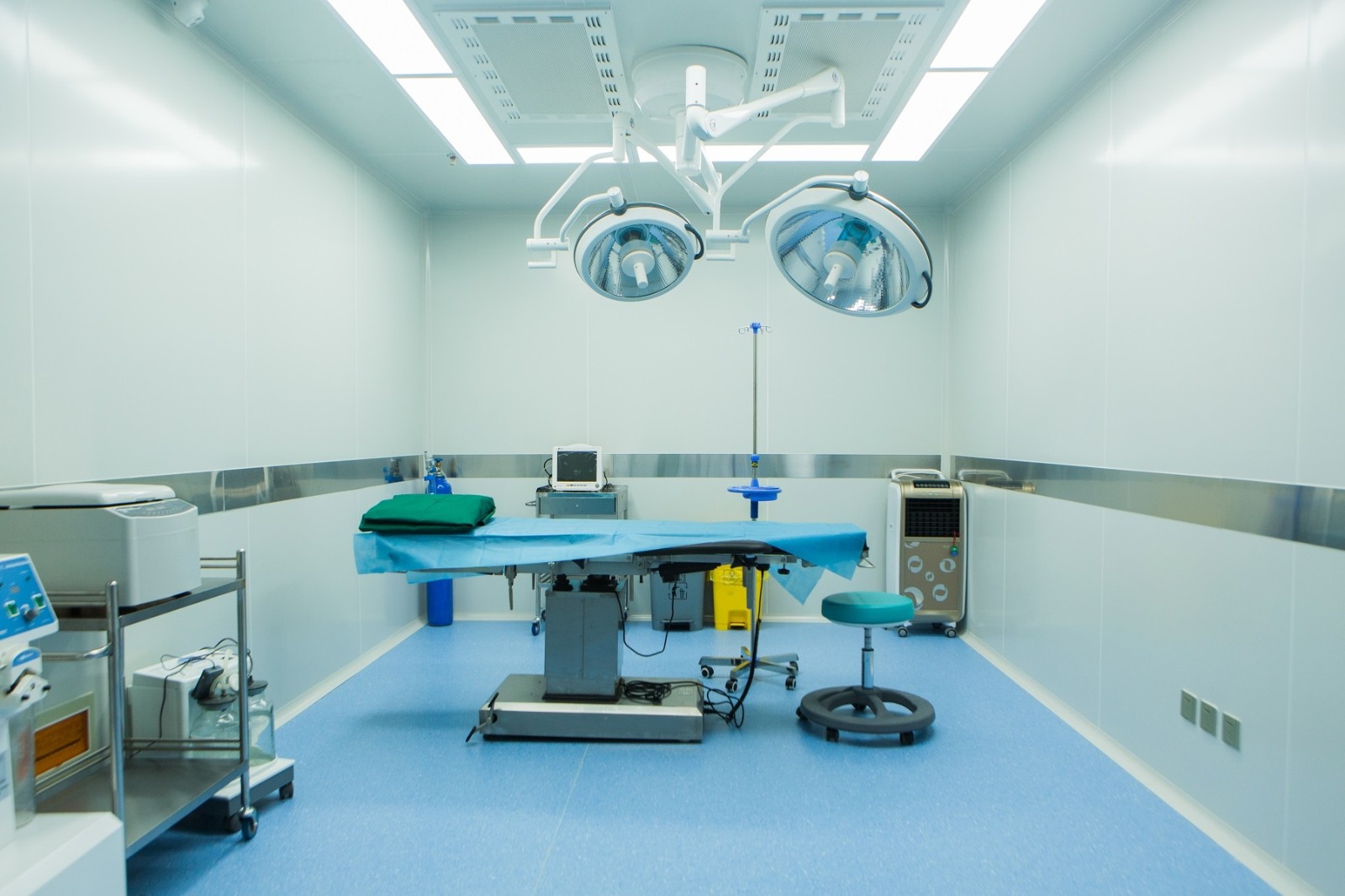
The "Invisible Flaws" of Traditional Disinfection
1. Human Error
Traditional manual detection relies on the colorimetric method, which is greatly affected by the operator's experience and the accuracy of reagents. If the operator lacks experience or the reagent accuracy is insufficient, the error can reach ±10%. Once this error occurs, it is very easy to misjudge the residual chlorine concentration. For example, if the actual residual chlorine concentration is insufficient but is misjudged as meeting the standard, it will pose a significant hidden danger to the disinfection work. It's like building a house with a poorly laid foundation; the house will eventually have problems.
2. Lack of Emergency Response
During disinfection at night or on holidays, there are fewer hospital staff. If the residual chlorine suddenly drops and there is no dedicated person to handle it in time, it will be a big problem. The disinfection of a whole batch of instruments will fail, affecting the next day's diagnosis and treatment work. Imagine that when patients come the next day and find that there are no properly disinfected instruments available. The hospital's reputation and credibility will be damaged.
3. Problems in Accreditation
Currently, the accreditation requirements for Class - III Grade - A hospitals stipulate "full - monitoring of the disinfection process," but manual detection cannot achieve 24 - hour continuous monitoring. This makes it difficult to meet the detailed requirements of the accreditation during the evaluation. Hospitals spend a lot of time and energy to pass the accreditation, but this detection problem may affect the final accreditation result.
The Dual Highlights of the Product: "Monitoring + Protection"
1. Real - Time Warning
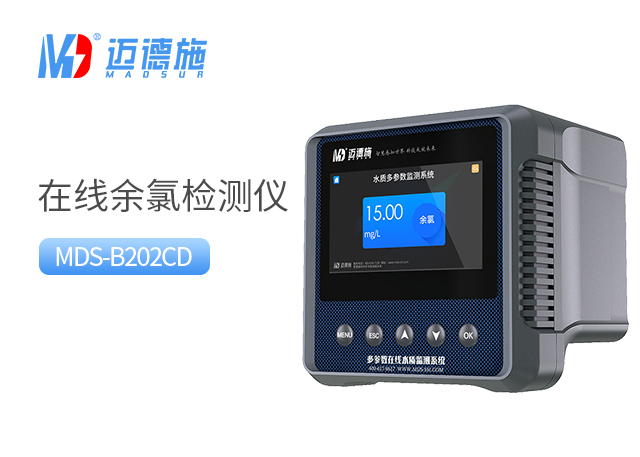
The online automatic residual chlorine sensor is like an indefatigable little guard, updating the residual chlorine data every 10 seconds. Once the residual chlorine concentration exceeds the standard, either below 50mg/L or above 100mg/L, it will immediately trigger both local and remote alarms. Whether in the hospital or outside, the management personnel can receive the alarm information immediately, ensuring that no situation is missed. It's like adding a double - insurance to the hospital's disinfection work.
2. Automatic Protection
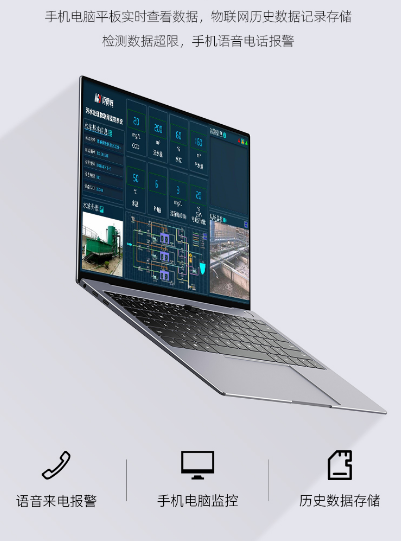
This automatic water quality sensor is also very intelligent. When the residual chlorine is too high, it will automatically reduce the addition of chlorine agents to avoid instrument corrosion. If the residual chlorine is too low, it will quickly replenish chlorine and lock the door of the disinfection equipment to prevent sub - standard instruments from flowing out. It's like a considerate housekeeper, arranging the disinfection work perfectly.
3. Simplified Management
The sensor is equipped with a high - definition touch screen, and the disinfection parameters can be set with one click. Even beginners can quickly get the hang of the operation. Moreover, data recording does not require manual intervention, reducing human errors. In the past, when recording data manually, errors might occur due to negligence or scribal errors. Now, with this sensor, these problems no longer exist.
Guidance for Enterprise Decision - Making
1. Solving Urgent Pain Points
For dental hospitals, sub - standard disinfection and cross - infection are very urgent problems. The online residual chlorine sensor can quickly eliminate these risks, ensuring the safety of patients and the hospital. It's like a timely rain, solving the hospital's pressing problems.
2. Long - Term Benefits
Using this sensor can improve the hospital's disinfection management level and help the hospital pass high - level accreditation. As the hospital's grade is upgraded, its brand competitiveness will also be enhanced. It's like giving wings to the hospital's development, making it more competitive in the market.
3. Low Investment, High Return

The cost of this device is very low, but it can avoid high - value compensation and reputation losses. Whether it is a large - scale dental hospital or a small - scale dental clinic, it is suitable to purchase. It's like spending a small amount of money to achieve great results, which is very cost - effective.
Therefore, for dental hospitals, the online residual chlorine water quality automatic sensor is truly an indispensable good helper, enabling "zero risk" in oral disinfection. If you are interested, welcome to consult Maideshi, a Digital residual chlorine sensor manufacturer, at any time!
Previous: Are Pet Hospital Instruments Always Being Discarded? An Online Residual Chlorine Automatic Water Quality Monitor Controls Concentration, Saving $20,000 in Annual Replacement Costs!
Next: Parents, Keep an Eye on "Swimming Area Water Quality"! Maternity Centers Turn "Water Quality Anxiety" into "Competitive Advantage" with Online Residual Chlorine Sensors!

 TEL
TEL