Home > News > 26-Year Data Secures Health Lines! Online Free Chlorine Automatic Monitor Ensures Disinfected Water Compliance 24/7!
Related News
  • Three methods of COD water quality detector
  • Overview and Performance of Online Turbidity D...
  • Usage of Online COD Detector
  • Characteristics and Applications of Online COD...
  • What is COD standard solution
  • How to detect COD content in water quality
  • Why Buy Chinese Free Chlorine Sensors?
  • Lower Price, Higher Quality: Why Choose Chines...
  • Which industries are China's free chlorine se...
  • Why Recommend Chinese Online Residual Chlorine...
  • 26-Year Data Secures Health Lines! Online Free Chlorine Automatic Monitor Ensures Disinfected Water Compliance 24/7!

    Time:December 24, 2025


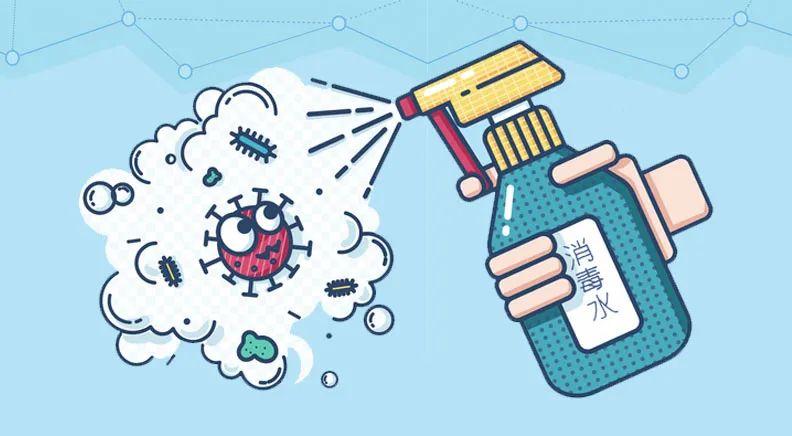
    Free chlorine is like an invisible guardian for water disinfection — an appropriate level kills harmful bacteria in water and safeguards water safety, yet an imbalanced concentration triggers new issues: excessive free chlorine causes pungent odors and mucous membrane irritation, while insufficient levels fail to fully eliminate bacteria, leaving health hazards. In fact, demand for free chlorine monitoring spans multiple industries; beyond water utilities, cultural tourism and food processing, it is widely applied in water-related and hygiene-sensitive sectors including pharmaceuticals, healthcare, catering, and municipal water supply & drainage. Many enterprises face a common challenge in free chlorine control: short-term monitoring may show compliance, but safety loopholes are hard to avoid. Below, free chlorine water quality analyzer manufacturers provide a detailed breakdown!
    19e7f25b3a8da4d7e31fa223c949fbf6_1766544078528884.jpg

    The key reason lies in free chlorine concentration fluctuating sharply due to multiple factors, where short-term data alone cannot support precise regulation. The online free chlorine automatic monitor, leveraging 26 years of continuous real-time data, builds a long-term defense line for free chlorine control across industries, making safe water use traceable and evidence-based. Next, we take three industries with the most pressing demands — water utilities, cultural tourism and food processing — to deeply analyze their core pain points and the adaptive value of this equipment.

    I. Pain Point Insight: Lack of Long-Term Data Traps Free Chlorine Control in Passive Mode
    acbce37e7122015c3b082245abccac40_1766544090152948.jpg

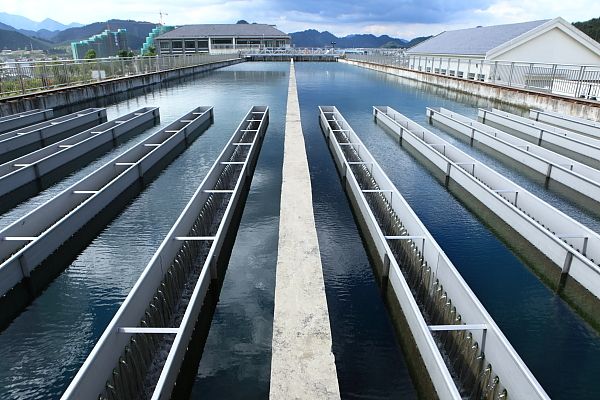
    While free chlorine monitoring scenarios vary by industry, precise concentration control and complete data retention are universal rigid demands, and the lack of long-term monitoring data is a common predicament for most enterprises. Whether for tap water disinfection, pool & hot spring sterilization, or food production water control, without long-term free chlorine data, it is like walking a tightrope, with constant risks of crossing safety lines due to concentration imbalance. Specific pain points are as follows:

    1. Water Utilities: Fluctuating Free Chlorine Jeopardizes Water Supply SafetyFree chlorine levels in disinfected tap water are prone to fluctuation affected by water supply volume, temperature, raw water quality and other factors; mastering fluctuation patterns is core to precise regulation. However, many water utilities adjust disinfection dosage solely based on short-term monitoring, failing to grasp concentration change rules and leading to persistent regulatory lag. Insufficient free chlorine fails to fully kill waterborne bacteria, posing drinking safety risks; excessive levels make tap water smell strongly of chlorine and trigger resident complaints. For water utilities, ensuring water supply safety is a core responsibility, and long-term free chlorine data is the key support for precise regulation and safeguarding safety bottom lines.

    2. Cultural Tourism Enterprises: Peak Overruns Hard to Detect, Endangering Tourist HealthThe core demand for cultural tourism venues like pools and hot springs is ensuring tourist health around the clock, requiring sustained free chlorine compliance. Yet free chlorine easily fluctuates at peaks during high visitor flow and water changes — a pain point that short-term timed monitoring cannot fully cover. Insufficient free chlorine allows harmful microbes like E. coli to breed, potentially causing tourists skin itching, eye discomfort and even cross-infection; excessive levels irritate mucous membranes and spark complaints. Incidents not only damage venue reputation but also risk regulatory penalties. Long-term monitoring data accurately captures peak fluctuations, building a solid defense for tourist health.

    3. Food Processing Enterprises: No Data, No Proof — Quality Traceability in DilemmaThe food processing industry’s core demands are product quality assurance and traceability system improvement, imposing strict requirements on free chlorine residue control in production water. Excessive free chlorine contaminates products, impairs quality and even leads to full-batch scrappage; more crucially, food quality traceability requires complete water monitoring data, yet many enterprises lack long-term free chlorine data retention — the industry’s core pain point. During quality inspections, inability to provide full-cycle free chlorine monitoring records puts enterprises in a passive position, undermining brand credibility and market competitiveness. Long-term data serves as core evidence for improving traceability systems.

    II. Core Value: 26-Year Continuous Data Unlocks 3 Health Protection Codes

    1766545771733143.jpg

    The core value of long-term data lies in upgrading free chlorine control from passive response to proactive management. The 26-year continuous data accumulated by the online free chlorine automatic monitor precisely resolves the three industries’ dilemmas and safeguards safe water use:

    1. Precise Process Regulation: Water Utilities Secure Water Supply Safety26 years of continuous data fully records free chlorine fluctuation patterns across seasons and water supply volumes. Water utilities can set disinfection dosages precisely and dynamically adapt to raw water quality changes — e.g., increasing chlorine dosage in summer heat and adjusting processes ahead of water peaks — keeping free chlorine steadily within the optimal 0.3–4.0mg/L range. Optimized via long-term data, it not only prevents under/over-chlorination but also cuts disinfection chemical consumption by around 15%, achieving both safety and efficiency gains.

    2. Round-the-Clock Monitoring: Cultural Tourism Enterprises Avoid Health RisksFor cultural tourism venues, long-term free chlorine data acts as a patron saint for tourists. The monitor operates 24/7, accurately capturing peak fluctuations during high traffic and water changes, triggering instant alerts when approaching thresholds. Staff can adjust sterilization promptly to maintain pool and hot spring free chlorine within the standard 0.3–1.0mg/L range, fundamentally preventing tourist health issues and complaints while preserving venue reputation.

    3. Complete Data Retention: Food Enterprises Improve Quality TraceabilityLong-term continuous free chlorine data provides food processors with complete quality traceability evidence. Automatically stored and cloud-backed, it covers full-cycle production water free chlorine status, accessible anytime for quality inspections. It not only verifies production water compliance but also helps enterprises quickly locate problem links, refine quality control systems and boost brand credibility.

    4. 1766545797603384.jpg

    III. Product Practice: Solid Strength Underpins 26-Year Reliable Continuous Monitoring

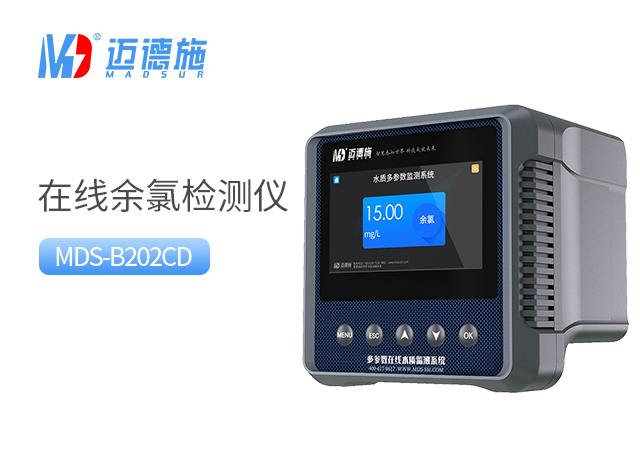
    The value of long-term data relies on stable equipment performance. This online free chlorine water quality sensor is built for long-term control, with three robust strengths ensuring worry-free monitoring:First, uninterrupted real-time monitoring — tracks free chlorine changes 24/7 with second-level data updates, capturing even minor fluctuations accurately and eliminating manual monitoring lag entirely.Second, automatic early warning for prompt action — supports custom free chlorine thresholds, triggering audio-visual alarms on anomalies and linking to disinfection systems for automatic dosage adjustment without manual intervention.Third, traceable data & wide adaptability — auto-records and stores over 5,000 data sets, supporting network upload and export for compliance filing and traceability; adapts to diverse water environments (tap water, pool water, production water) with strong resistance to turbidity and pH interference, ensuring stable operation under complex conditions.

    Long-Term Data + Intelligent Monitoring Build a Sustainable Defense for Safe Water
    3eb52a2e89e0cfeb857e6d2625232aef_1766544136501858.jpg

    In an era prioritizing health and tightening environmental regulations, precise free chlorine control has become core competitiveness for water-related enterprises. The online free chlorine automatic monitor’s value lies not only in real-time concentration monitoring but also in building a full-cycle, traceable control system via 26-year continuous data. It helps water utilities safeguard supply safety, cultural tourism venues avoid health risks, and food enterprises improve quality traceability. Going forward, only such long-termist monitoring solutions can truly build a sustainable defense for safe water and enable enterprises to develop compliantly and steadily.

    Has your enterprise faced challenges like hard-to-regulate concentration fluctuations or incomplete data retention in free chlorine monitoring? Feel free to leave a message to MedSci free chlorine water quality sensor manufacturer for tailored solutions!


    Previous: Surprising! Disinfection Effect Can Be So Intelligent? The Evolution of Online Free Chlorine Automatic Water Quality Analyzer Is Amazing!
    Next: Must-Know for Enterprises! Essential Knowledge About Online Free Chlorine Automatic Water Quality Monitors – Explained in One Article!



    WeChat MADSUR
    All rights reserved © 2025 Copyright MADSUR