Must-Know for Enterprises! Essential Knowledge About Online Free Chlorine Automatic Water Quality Monitors – Explained in One Article!
Free chlorine is the key control indicator in water disinfection processes – it acts as an "invisible guardian" of water bodies, capable of killing harmful bacteria and ensuring water safety, yet improper concentrations can trigger new problems. Whether it is drinking water disinfection for water utilities, sterilization of swimming pools and hot springs in cultural tourism enterprises, or production water control in food processing plants, precise free chlorine management is indispensable.
Online free chlorine water quality sensors boast a wide range of applications; beyond these three major industries, they are also a must-have in water-related and hygiene-sensitive sectors such as pharmaceuticals, healthcare, and catering. Today, MedSci, a professional free chlorine water quality monitor manufacturer, will take three industries with the most typical pain points – water supply, cultural tourism, and food processing – as examples to thoroughly explain the core knowledge of online free chlorine analyzers, helping enterprises safeguard their disinfection safety and quality bottom lines.
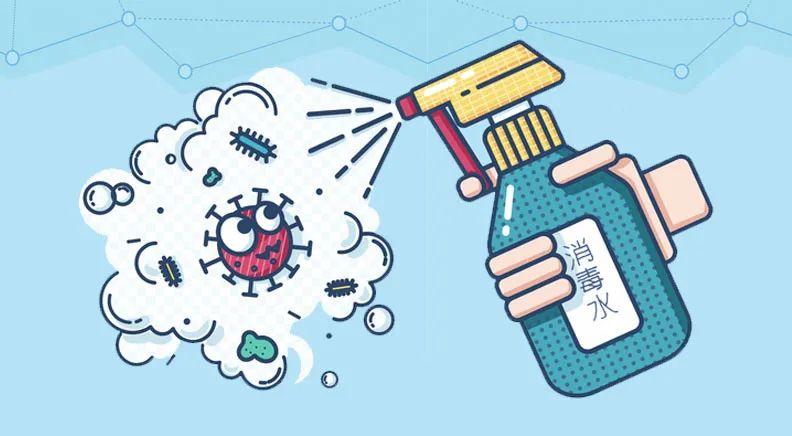
1. Pain Point Focus: Free Chlorine Control Headaches for Three Types of Enterprises
The core of free chlorine control lies in "precision and stability". However, many enterprises stumble over "non-real-time monitoring" and "delayed regulation". While pain points vary across industries, all are directly linked to safety and compliance. Let’s take a look at the biggest headaches faced by water utilities, cultural tourism, and food processing enterprises in free chlorine monitoring:
1.1 Water Utilities: Fluctuating Free Chlorine Jeopardizes Water Supply Safety
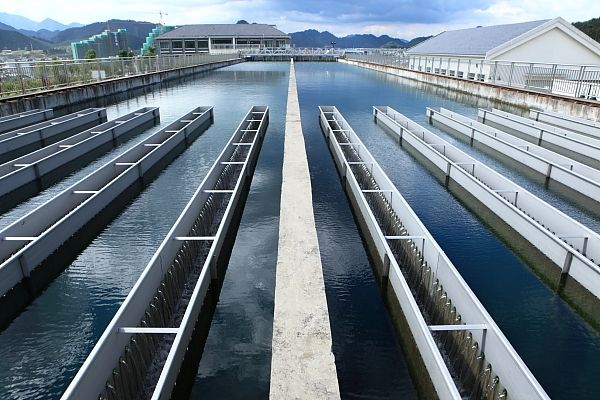
For water utilities, the free chlorine content in tap water after disinfection is a core control point:
Traditional manual monitoring involves long intervals and lagging data, making it difficult to adjust disinfection dosages in real time in response to fluctuations in raw water quality. Many water plants have experienced complaints from residents about water taste or faced risks of water quality safety spot checks due to delayed free chlorine regulation, putting their operation and maintenance work in a passive position.
1.2 Cultural Tourism Enterprises: Imbalanced Free Chlorine in Pools and Hot Springs Endangers Tourist Health

Meeting free chlorine standards in swimming pools, hot springs, and other cultural tourism venues is a fundamental requirement for protecting tourist health:
However, the manual timed testing model cannot cover free chlorine fluctuations during critical periods such as peak visitor flow and water changes. A single instance of non-compliant free chlorine levels not only leads to penalties from regulatory authorities but also severely damages the venue’s reputation and results in visitor loss.
1.3 Food Processing Enterprises: Free Chlorine Residues in Production Water Red Flag Product Quality

Food processing imposes extremely strict requirements on free chlorine control in production water. Excessive free chlorine residues directly contaminate food, impair product flavor and quality, and may even lead to the scrapping of entire batches of products.
Food processing typically operates in a continuous production mode, and manual testing is inefficient and infrequent, failing to meet real-time monitoring needs. A small beverage factory once failed to detect a sudden spike in free chlorine levels in production water in a timely manner, resulting in a batch of fruit juice with a chlorine taste that had to be fully discarded. This incident caused direct losses exceeding 30,000 yuan and delayed order fulfillment.
2. Core Advantages: Why Online Free Chlorine Monitors Solve Control Challenges?
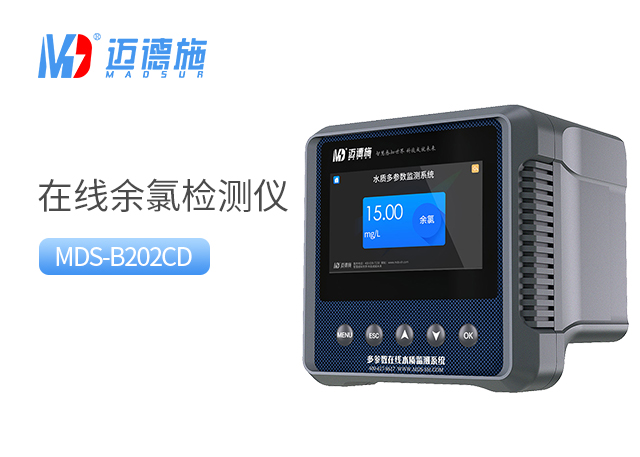
Online free chlorine automatic sensors have become the "safety gatekeepers" of enterprise disinfection, thanks to three core advantages that precisely address industry pain points, making them worthy of the title "24/7 Free Chlorine Stewards":
3. Knowledge Popularization: How to Align with Industry-Specific Free Chlorine Standards & Set Thresholds?
To achieve effective free chlorine control, the key is to first clarify industry standards and then set thresholds scientifically, avoiding blind regulation:
Industry Standards Reference
Core references include the Environmental Quality Standards for Surface Water (GB 3838-2002) and industry-specific specifications:
Threshold Setting Methods
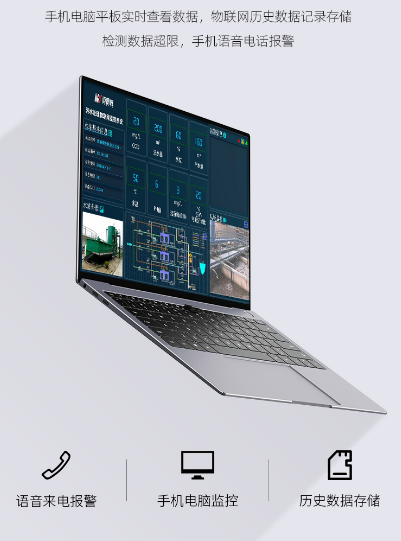
Enterprises can refine thresholds within standard ranges based on their production scenarios and baseline water quality conditions, while reserving a certain buffer margin to ensure sufficient time for regulation adjustments.
For enterprises, online free chlorine automatic monitors are more than just testing devices – they are "amulets" for water safety and "ballasts" for quality control. For water utilities, they ensure precise water supply disinfection and safeguard residents’ drinking water safety; for cultural tourism enterprises, they protect tourist health and avoid risks of complaints and penalties; for food processing enterprises, they strictly control production water quality and reduce product scrapping losses. Beyond these, they also play a vital role in pharmaceuticals, healthcare, and other industries.
Choosing and utilizing this free chlorine "safety gatekeeper" effectively enables more precise and efficient disinfection control, building a critical defense line for enterprises’ compliant operations and brand reputation.
Has your enterprise encountered problems such as large concentration fluctuations or delayed regulation in free chlorine monitoring? Welcome to leave a message for MedSci – your reliable free chlorine water quality sensor manufacturer! Let’s explore more efficient control solutions together!
Previous: 26-Year Data Secures Health Lines! Online Free Chlorine Automatic Monitor Ensures Disinfected Water Compliance 24/7!
Next: Meeting Five Categories of Water Quality Limits! Online Free Chlorine Automatic Water Quality Sensor: The "Strict Gatekeeper" for Disinfection Safety!

 TEL
TEL