Meeting Five Categories of Water Quality Limits! Online Free Chlorine Automatic Water Quality Sensor: The "Strict Gatekeeper" for Disinfection Safety!
Free chlorine is the "key guard" of water disinfection, but concentration control is a "delicate task"—excessive free chlorine causes odors and mucous membrane irritation, while insufficient free chlorine fails to kill bacteria completely, leading to safety hazards. Precise free chlorine monitoring is indispensable for tap water disinfection, aquaculture water sterilization, and reclaimed water treatment. The online free chlorine automatic sensor, like an impartial "strict gatekeeper", precisely meets the national five-category water quality free chlorine limit standards, monitors the disinfection process 24/7 without interruption, maintains the bottom line of sterilization effect, and eliminates the risk of excessive free chlorine, building a solid defense for disinfection safety in three major industries. Below, MedSci, a professional free chlorine water quality monitor manufacturer, provides a detailed breakdown!
1. Core Advantages: Why It Can Be the "Strict Gatekeeper"?
The core competitiveness of the online free chlorine automatic sensor lies in "precise control + real-time monitoring + wide adaptability".
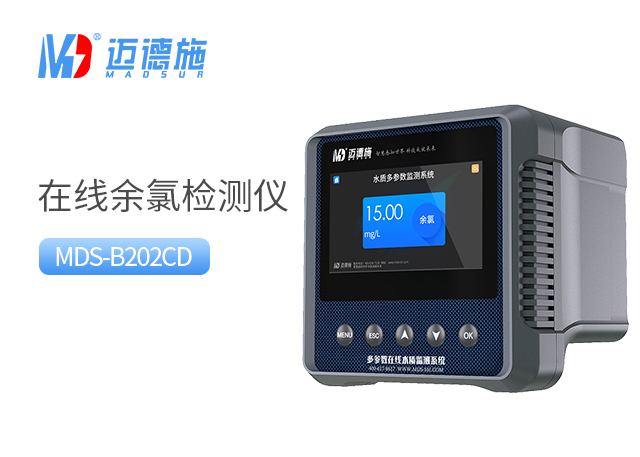
2. Practical Applications in Three Industries: The "Gatekeeper" Guards Disinfection Safety
2.1 Water Supply Industry: The "Last Line of Defense" for Tap Water Safety
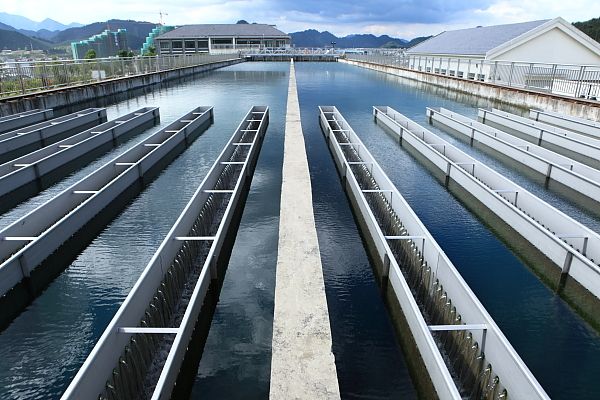
After tap water disinfection, free chlorine must be maintained in a reasonable range to prevent bacterial growth during water transportation, but excessive free chlorine will make the water produce a pungent odor, affecting residents' water use experience. A waterworks in northern China once encountered such a problem: manual free chlorine monitoring led to a surge in free chlorine concentration to 5.2mg/L in some periods due to data lag, far exceeding the upper limit of the drinking water free chlorine limit (4.0mg/L), resulting in a large number of residents complaining about the pungent odor of tap water.
The situation was completely reversed after installing the online free chlorine automatic sensor. The instrument precisely meets the free chlorine limits of Class I-II water quality corresponding to drinking water, monitoring the effluent free chlorine concentration 24/7 in real time. When the value approaches 3.5mg/L (early warning threshold), it automatically links to adjust the chemical dosage of the disinfection equipment. After adjustment, the tap water free chlorine concentration is stabilized in the optimal range of 0.5-1.0mg/L, which not only ensures the sterilization effect but also completely solves the odor problem, greatly improving residents' satisfaction. For the water supply industry, the value of this "gatekeeper" is to hold the last line of defense for tap water safety and protect residents' water use experience and health.
2.2 Aquaculture Industry: The "Safety Umbrella" for Aquatic Animals
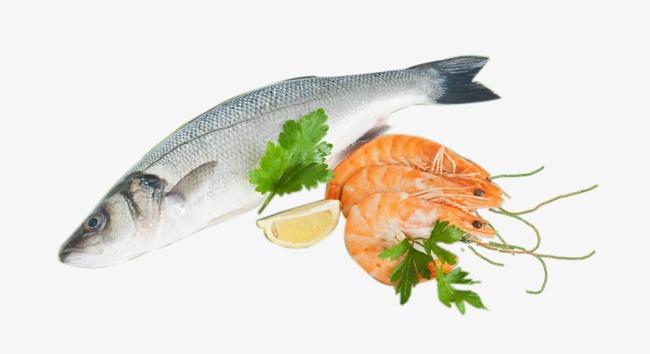
In aquaculture, water disinfection is the key to disease prevention and control, but free chlorine is highly toxic to aquatic animals such as fish and shrimp. Slight excess may cause stress and poisoning death. A California perch breeding base in Zhejiang once suffered a great loss due to improper free chlorine control: free chlorine was not monitored in time after disinfection, resulting in a water free chlorine concentration of 0.8mg/L, far exceeding the aquaculture water quality free chlorine limit (≤0.05mg/L). The California perch in the pond showed large-scale floating and gill congestion symptoms, resulting in a loss of more than 80,000 yuan.
The risk was completely controllable after installing the online free chlorine automatic sensor. The instrument precisely meets the water quality free chlorine requirements corresponding to aquaculture, monitoring the free chlorine concentration in real time after disinfection. Only when the value drops below 0.05mg/L is the water allowed to be introduced into the breeding pond. During the high-incidence period of diseases last summer, the base precisely controlled the disinfection rhythm through the instrument, completely killing water pathogens without any free chlorine poisoning incidents, and the survival rate of California perch increased by 22%. For the aquaculture industry, this "gatekeeper" is a safety umbrella for aquatic animals, directly protecting breeding profits.
2.3 Environmental Protection Industry: The "Key Barrier" for Safe Utilization of Reclaimed Water

When reclaimed water is used for irrigation and landscape purposes, the free chlorine concentration must be strictly controlled—insufficient free chlorine cannot inhibit pathogen growth, which may pollute the soil and harm human health; excessive free chlorine will affect plant growth and destroy the water ecosystem. Before installing online monitoring equipment, a reclaimed water treatment plant in southern China had a free chlorine concentration of less than 0.2mg/L in reclaimed water due to manual testing lag. After being used for farmland irrigation, it caused diseases in some crops and was ordered to rectify by relevant departments.
The problem was solved easily after installing the online free chlorine automatic sensor. The instrument precisely meets the Class V water quality free chlorine limit corresponding to reclaimed water, monitoring the effluent free chlorine concentration in real time. Once the value is lower than 0.2mg/L, it automatically starts the supplementary disinfection program. After adjustment, the reclaimed water free chlorine concentration is stabilized in the safe range of 0.2-0.5mg/L, and the compliance rate is increased from 93% to 100%, successfully passing the compliance acceptance for irrigation and landscape water. For the environmental protection industry, this "gatekeeper" is a key barrier for the safe utilization of reclaimed water, promoting water resource recycling while avoiding ecological risks.
3. Why Do Three Major Industries Choose the Online Automatic Model? It Solves All These Pain Points
Compared with traditional manual testing and portable testing, the online free chlorine automatic sensor perfectly adapts to the core needs of the industry:
It can be easily adapted to large-scale waterworks, large-scale breeding bases, and reclaimed water treatment plants.
4. Practical Summary: One "Gatekeeper" Builds a Disinfection Safety Defense Line for Three Industries
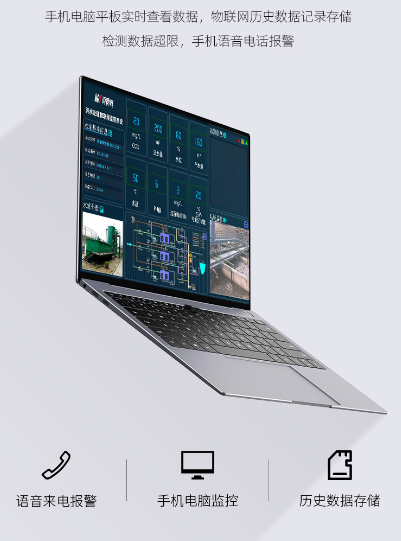
The core value of the online free chlorine automatic sensor is to be a cross-industry disinfection safety guardian with "precise real-time control" as the core:
For industries that need to strictly control the disinfection process, choosing such an online sensor that meets the five-category water quality limits is equivalent to installing an "intelligent access control" for disinfection safety, leaving no room for risks.
Have you encountered problems such as insufficient disinfection, excessive free chlorine, or inaccurate data in free chlorine monitoring work? Whether it is water supply operation and maintenance, aquaculture, or environmental protection disposal scenarios, feel free to contact MedSci—your reliable free chlorine water quality sensor manufacturer! Let's discuss more reliable disinfection safety control solutions together!
Previous: Must-Know for Enterprises! Essential Knowledge About Online Free Chlorine Automatic Water Quality Monitors – Explained in One Article!
Next: Winter Disinfection Challenges for Hospital Wastewater/Industrial Circulating Water: Use Online Free Chlorine Automatic Water Quality Sensors This Way for Precision!

 TEL
TEL