Home > News > Winter Disinfection Challenges for Hospital Wastewater/Industrial Circulating Water: Use Online Free Chlorine Automatic Water Quality Sensors This Way for Precision!
Related News
  • Three methods of COD water quality detector
  • Overview and Performance of Online Turbidity D...
  • Usage of Online COD Detector
  • Characteristics and Applications of Online COD...
  • What is COD standard solution
  • How to detect COD content in water quality
  • Why Buy Chinese Free Chlorine Sensors?
  • Lower Price, Higher Quality: Why Choose Chines...
  • Which industries are China's free chlorine se...
  • Why Recommend Chinese Online Residual Chlorine...
  • Winter Disinfection Challenges for Hospital Wastewater/Industrial Circulating Water: Use Online Free Chlorine Automatic Water Quality Sensors This Way for Precision!

    Time:December 19, 2025

    The "Invisible Loophole" in Winter Disinfection Stems from Inaccurate Sensor Readings

    For wastewater station operators in hospitals and equipment managers in industrial enterprises, winter disinfection is always a nerve-wracking task: pathogens in hospital wastewater are more active at low temperatures, and microorganisms in industrial circulating water tend to cluster and form slime. This should be a critical period for disinfection, but online free chlorine sensors often "fail": they either show sufficient free chlorine while disinfection is actually inadequate, or report "over-standard" levels, wasting disinfectants for no reason. These seemingly small errors hide great risks: hospital wastewater may be discharged with excessive pathogens, and industrial circulating water may cause pipe blockages and equipment corrosion due to insufficient disinfection. Today, professional laboratory free chlorine monitor manufacturers will teach you how to use online free chlorine sensors correctly to close the "loophole" in winter disinfection.

    dd3615b1b67fcb188cab57c216ea1c68_1766110410432735.jpg

    1. Winter Disinfection "Pitfalls" That Both Hospitals and Enterprises Have Fallen Into

    Just last week, a hospital wastewater station nearly had an incident: the online free chlorine sensor readings remained steadily up to standard in winter, but health supervision authorities found excessive Escherichia coli in the wastewater during sampling. After investigation, it was found that low temperatures complicated the reaction between organic matter and free chlorine in the wastewater, consuming a large amount of free chlorine, which the sensor failed to detect, resulting in insufficient disinfection dosage. Fortunately, rectification was carried out in time, avoiding the risk of pathogen transmission.

    A factory in northern China had an even bigger headache: the sensor of the industrial circulating water system frequently reported "excessive free chlorine" in winter, so workers had to reduce disinfectant dosage. Within a few days, microbial slime grew all over the circulating water pipes, reducing the heat dissipation efficiency of the equipment. The factory was forced to shut down for cleaning, spending 50,000 yuan on maintenance fees and delaying production for 3 days. It was later found that the sensor had poor low-temperature adaptability, causing false high readings.

    a6b637e6942f575c2fe64dc312ce67cf_1766110481339598.png

    2. Three Deep-Seated Causes of Data Distortion, All Related to "Low Temperature"

    The errors of online free chlorine automatic sensors in winter are not due to poor equipment quality, but rather low temperatures amplifying various interferences, which are specifically hidden in three aspects:

    1. Interfering Substances "Misbehave in Cold" and "Clog" the ElectrodeOrganic matter in hospital wastewater and corrosion inhibitors in industrial circulating water are like "naughty troublemakers" at low temperatures, making the reaction with free chlorine more complex. They not only secretly consume free chlorine but also adsorb on the surface of the sensor electrode, forming a passivation film—just like putting a pair of "insulating gloves" on the electrode, greatly reducing sensitivity and naturally leading to inaccurate readings of the actual free chlorine concentration.

    2. Sensors "Fear Cold" and Fail to Keep Up with ResponsesThe electrode materials and detection algorithms of ordinary online free chlorine sensors do not consider low-temperature working conditions at all. At low temperatures, the electrode response speed slows down by more than half, just like people moving slower in cold weather. Faced with fluctuations in the complex water quality of hospital wastewater and industrial circulating water, the sensor cannot respond in time, resulting in data distortion.

    3. Extreme Low Temperatures "Damage" Components, Causing Data Disconnection and DistortionMany sensors in hospital wastewater stations and industrial circulating water systems are installed directly in open-air or uninsulated areas. Extreme low temperatures can damage the signal transmission module of the sensor: either the data is suddenly disconnected, making real-time monitoring impossible, or the damaged module continuously reports false data, leaving operators unable to understand the actual disinfection situation.

    4. 123e77e3928bda0187866dc9b3278ef4_1766110460451474.jpg

    3. Three Practical Strategies for Precise Sensor Performance in Winter

    To ensure the reliable operation of online free chlorine automatic sensors in winter, the key is to "choose the right equipment + do a good job of protection + calibrate regularly". The specific operations are simple and easy to implement:
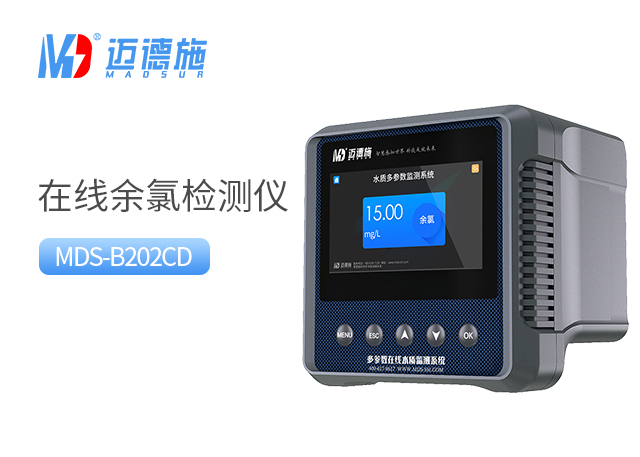
    1. Choose "Freeze-Resistant and Durable" SensorsDirectly replace with online free chlorine sensors with low-temperature adaptive algorithms. Such sensors can automatically adapt to low-temperature environments and cope with the complex water quality of hospital wastewater and industrial circulating water. Choose electrodes made of corrosion-resistant and anti-pollution materials to reduce the adsorption of interfering substances and fundamentally improve data accuracy.

    2. "Put Warm Clothes" on the SensorInstall a constant temperature insulation box outside the sensor and signal transmission module to stabilize the internal temperature at 10-25℃; for sensors installed outdoors, a small heating tape can be added to the insulation box to avoid component damage caused by extreme low temperatures and ensure stable and uninterrupted data transmission.

    3. "Precisely Calibrate" According to Water Quality and Conduct Regular "Cleaning Physical Examinations"Hospital wastewater and industrial circulating water have great differences in water quality, so special calibration solutions should be selected: use calibration solutions suitable for water with high organic matter for hospitals, and calibration solutions suitable for water containing corrosion inhibitors for industry. Calibrate every 5-7 days in winter. At the same time, clean the passivation film on the electrode surface once a week, soak and wipe it with a special cleaning agent to keep the electrode in a "sensitive state".

    4. a785b65c407ad8f936b87e1f0135d4cd_1766110441674528.jpg

    4. Using the Sensor Correctly Makes Winter Disinfection Both Worry-Free and Cost-Saving

    Choosing and using online free chlorine sensors correctly is a "win-win" for both hospitals and enterprises:

    • Hospitals can precisely control the disinfection dosage, ensure the compliant discharge of wastewater, and hold the first line of defense against pathogen transmission;

    • Industrial enterprises can avoid pipe blockages and equipment corrosion caused by insufficient disinfection, reduce maintenance fees and shutdown losses, avoid disinfectant waste, reduce operation and maintenance costs, and make winter production smoother.

    In fact, the core problem of winter disinfection is not that pathogens are difficult to eliminate or microorganisms are difficult to control, but that the sensor is not "adapted" to low temperatures. As long as you choose freeze-resistant equipment, do a good job of insulation protection, and perform regular precise calibration, the online free chlorine sensor can accurately "check" and help hospitals and enterprises successfully pass the winter disinfection period.
    af123b2e80c1e28301f8c8d7cb5a2f1c_1766110449126111.jpg

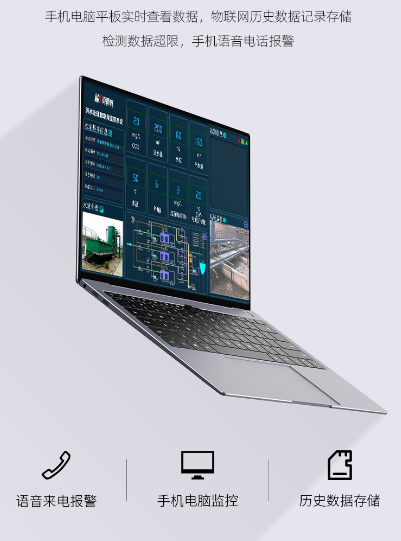
    Have you encountered problems such as inaccurate data or difficult disinfection control when operating online free chlorine sensors in winter? How did you solve them? Feel free to consult MedSci—your reliable free chlorine water quality sensor manufacturer! Whether it is hospital wastewater or industrial circulating water scenarios, we can learn from each other!


    Previous: Meeting Five Categories of Water Quality Limits! Online Free Chlorine Automatic Water Quality Sensor: The "Strict Gatekeeper" for Disinfection Safety!
    Next: How to Test Food Processing Wastewater? Online Free Chlorine Automatic Analyzer Adapts Efficiently for Precise Monitoring & Compliance!



    WeChat MADSUR
    All rights reserved © 2025 Copyright MADSUR