Accelerated Free Chlorine Volatilization in Winter? Online Water Quality Sensors Act Like Colanders? Manufacturers Help You Fix the Errors!
The "Free Chlorine Puzzle" of Winter Water Quality Monitoring
For waterworks and swimming pool operators, online free chlorine water quality sensors are like "sentinels" guarding water quality safety. But in winter, these "sentinels" act like colanders: they fail to detect the actual free chlorine concentration accurately, while unwanted errors arise. Low temperatures accelerate free chlorine volatilization and alter its properties, causing sensor readings to be either too high or too low—just like a colander failing to hold water, unable to capture the real situation. Waterworks face the risk of bacterial overgrowth due to imbalanced dosing, while swimming pools receive user complaints due to excessive dosing. How exactly can these winter-specific monitoring challenges be solved? Professional free chlorine water quality meter manufacturers provide a detailed breakdown for you!

1. Two Types of "Misjudgment" Troubles in Winter, Plaguing Enterprises
1.1 "Dosing Difficulty" for Waterworks
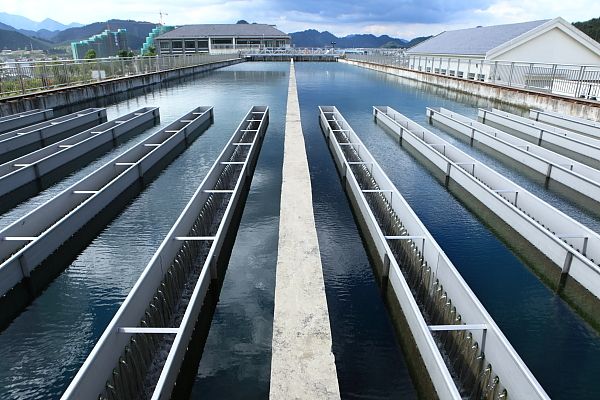
After the start of winter, a waterworks in northern China found that the risk of bacterial overgrowth in water quality sampling at the end of the pipeline network increased. After investigation, it was found that low winter temperatures accelerated the rate of free chlorine decay, but the sensor readings were too high, leading to insufficient dosing of secondary disinfection chemicals. The free chlorine in the pipeline network could not effectively kill bacteria. To rectify the problem, the waterworks had to temporarily increase the dosage, spending an extra 80,000 yuan on chemicals, and also had to work overtime to monitor the water quality. It took half a month to stabilize the water quality.
1.2 "Complaint Anxiety" for Swimming Pool Operators
An indoor swimming pool in southern China frequently received user complaints after the start of winter, with users reporting skin itching and eye irritation after swimming. Tests showed that the actual free chlorine concentration in the pool was twice as high as the national standard. The culprit was the free chlorine sensor: low temperatures accelerated free chlorine volatilization, but the sensor's monitoring value was too high. The operators over-dosed disinfectants based on the data, which not only affected the user experience but also damaged the venue's reputation.
2. Colander-like Detection: Three Core Causes of Winter Errors
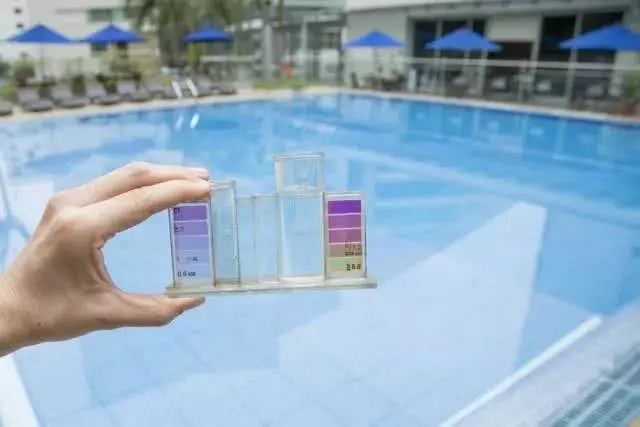
Free chlorine sensors capture free chlorine signals through electrodes and membranes. The low-temperature environment in winter adds a layer of interference to this "detection device", making it unable to measure the real data accurately:
3. The Chain Reaction of Errors: Greater Losses Than Expected
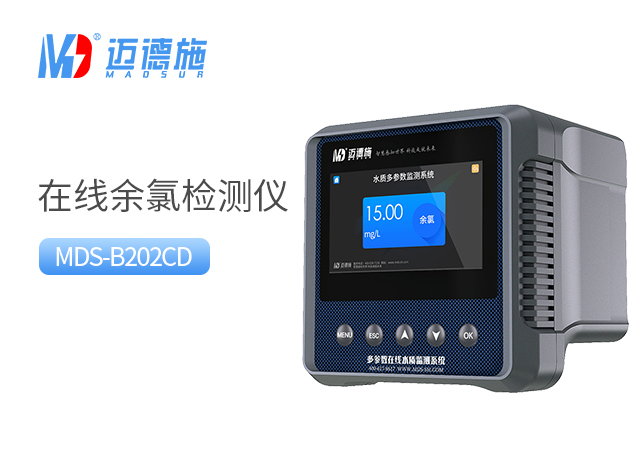
For waterworks, high readings from online free chlorine automatic sensors will lead to insufficient disinfection chemical dosing, insufficient free chlorine in the pipeline network, and easy bacterial overgrowth, triggering water safety accidents. Once a problem occurs, the enterprise not only has to bear the rectification cost but also suffers damage to its reputation. Low readings will lead to over-dosing, increasing water treatment costs, and may also cause the tap water to have an odor, affecting the user experience.
For swimming pool operators, high sensor readings will lead to over-dosing, causing skin and eye irritation to users, increasing the complaint rate, and losing regular customers. Low readings will result in insufficient disinfection, posing the risk of bacterial growth, and may even trigger group health problems, leading to suspension for rectification.
4. Breaking the Dilemma in Winter: Let the Sensor "Accurately Capture" the True Value of Free Chlorine
4.1 "Put a Warm Coat" on the Sensor
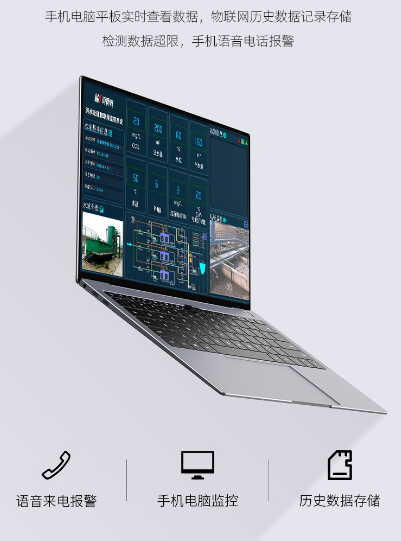
Install a constant temperature insulation device for the sensor to keep the electrodes and membranes at the suitable working temperature of 15-25℃, avoiding the hardening of the membranes and slow response caused by low temperatures. For sensors installed outdoors, insulation boxes and heating tapes can be used to prevent freezing and condensation from affecting performance.
4.2 Adjust Calibration Frequency to Adapt to Winter Characteristics
Calibrate the sensor with a standard solution every 5-7 days in winter. Before calibration, place the standard solution in an environment with a temperature close to the on-site water temperature for 30 minutes to reduce deviations caused by temperature. Waterworks can reverse-correct the sensor readings based on the free chlorine data at the end of the pipeline network to make the dosing more accurate.
4.3 Optimize the Detection Environment to Reduce Interference
In the secondary disinfection link, waterworks can appropriately adjust the pH value of the water to reduce the interference of substances such as ammonia nitrogen. Swimming pool operators should change the water regularly and clean the impurities at the bottom of the pool to prevent pollutants from affecting the sensor's detection. At the same time, shorten the cleaning cycle of the sensor, and clean the attachments on the membrane once a week to ensure sensitive detection.
4.4 Adapt to Winter Parameters and Adjust Dynamically

Choose sensors with low-temperature compensation functions, which can automatically adapt to the changes in free chlorine characteristics in winter. Enterprises can establish a winter temperature-free chlorine decay model based on historical data. For example, if free chlorine decay accelerates by 15% at low temperatures, adjust the dosing amount accordingly to avoid following wrong data.
The error in free chlorine detection in winter is not because the sensor is "incompetent", but because low temperatures change the properties of free chlorine and the performance of the equipment. As long as the sensor is well-insulated, calibrated regularly, and the detection environment is optimized, it can get rid of the dilemma of "colander-like detection", accurately capture the real free chlorine concentration, help waterworks safeguard water safety, and help swimming pool operators improve the user experience, thus successfully passing the winter water quality monitoring period.
Have you encountered problems such as inaccurate readings and difficult dosing when using free chlorine sensors in winter? Feel free to consult MedSci—your reliable free chlorine water quality sensor manufacturer! Let's discuss more accurate winter free chlorine monitoring solutions together!
Previous: How to Test Food Processing Wastewater? Online Free Chlorine Automatic Analyzer Adapts Efficiently for Precise Monitoring & Compliance!
Next: Online Free Chlorine Automatic Sensor – The “Disinfection Guardian” for Water Bodies: Which Water Sterilization Effects Does It Regulate?

 TEL
TEL