Online Free Chlorine Automatic Sensor – The “Disinfection Guardian” for Water Bodies: Which Water Sterilization Effects Does It Regulate?
Are you at a loss when faced with the three major “control challenges” of enterprise water disinfection?
Insufficient chlorine dosing leads to bacterial growth and compliance penalties; excessive dosing impairs water taste and product quality; traditional manual testing is lagging, and experience-based control is prone to errors. No more hesitation! The online free chlorine water quality sensor, a true “disinfection guardian” for water bodies, monitors free chlorine concentration in real time, precisely balancing sterilization efficacy and water safety. Below, professional free chlorine water quality monitor manufacturers provide a detailed breakdown!

1. Core Advantages at a Glance: Why It’s a Powerful Tool for Disinfection Control
It acts as an intelligent benchmark for water disinfection, offering these key benefits:
2. 7 Core Water Body Scenarios: Precisely Regulating Sterilization Effects
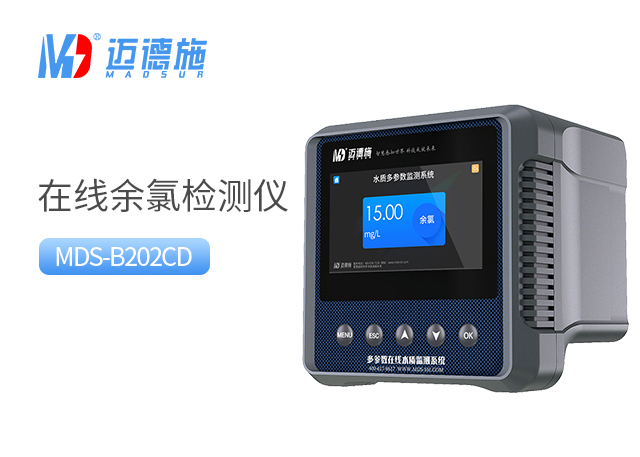
2.1 Tap Water (Finished Water, Pipeline Water, Terminal Water)
Tap water requires a proper residual chlorine level after disinfection to prevent bacterial growth during pipeline transportation. Sensors are installed at water plant production stages and key pipeline nodes to monitor free chlorine decay in real time. After adopting this sensor, a municipal water plant increased the compliance rate of free chlorine in terminal pipeline water from 92% to 99.8%. Complaints from residents about tap water odor dropped significantly, completely eliminating compliance risks.
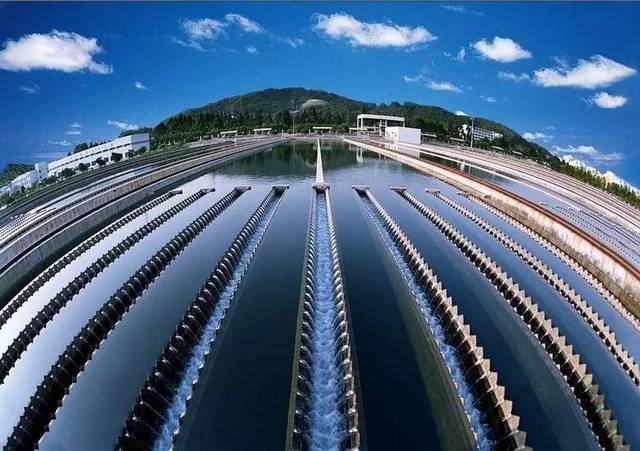
2.2 Swimming Pool Water (Public Pools, Hotel Pools, Fitness Club Pools)
Swimming pool water free chlorine must be controlled at 0.3–0.5mg/L to ensure sterilization without irritating skin. The sensor adjusts concentration in real time. A chain fitness club reported that after installation, pool water quality complaint rates dropped by 80%, member satisfaction improved significantly, and the need for frequent water changes (a waste of resources) was eliminated.
2.3 Medical Wastewater (Wastewater Treatment Stations of Hospitals and Clinics)
Medical wastewater contains a large number of pathogenic microorganisms, imposing extremely high disinfection requirements. The online free chlorine automatic sensor monitors free chlorine concentration during disinfection to ensure effluent meets discharge standards. A hospital achieved a consistent 100% wastewater treatment compliance rate after using the sensor, avoiding pollution spread risks caused by inadequate disinfection and passing multiple surprise inspections by environmental authorities.
2.4 Food Processing Wastewater (Beverage, Dairy, and Meat Product Processing)

Food processing wastewater is prone to bacterial growth, making disinfection critical for compliant discharge. The sensor accurately monitors free chlorine concentration to guide disinfection processes. A dairy factory reduced monthly wastewater treatment chemical costs by 22% after installation, maintained stable discharge compliance, and prevented soil and water source contamination caused by residual chlorine.
2.5 Secondary Water Supply (Residential Community Water Tanks, Office Building Water Storage Facilities)
Secondary water supply systems have long water storage times, leading to easy free chlorine decay. Sensors installed at water tank outlets provide real-time risk alerts. A residential property management company reported zero bacterial overgrowth incidents in secondary water supply after installation, boosting resident confidence in water safety and reducing labor input for water quality testing.
2.6 Wastewater Treatment Plant Effluent (Municipal and Industrial Park Wastewater Treatment Plants)
Wastewater treatment plant effluent requires disinfection to meet discharge standards, with free chlorine concentration monitored in real time by the sensor. An industrial park wastewater treatment plant maintained a 100% effluent disinfection compliance rate, avoiding environmental penalties for non-compliant disinfection and saving hundreds of thousands of yuan annually in potential penalty costs.
2.7 Drinking Water Sources (Reservoirs, Lakes, Groundwater Drinking Water Sources)
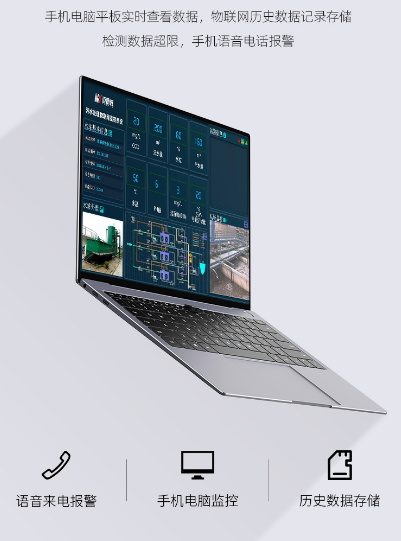
Emergency disinfection is required when drinking water sources suffer sudden pollution. The sensor monitors disinfection effects in real time to ensure precise chlorine dosing. When a reservoir water source was contaminated, the sensor enabled rapid adjustment of disinfection dosage, restoring water safety within 3 hours and building a strong first line of defense for municipal water plant production.
3. 4 Key Selection Indicators for Enterprises (Simplified Version)
4. Conclusion: The “Precision Control Expert” for Water Disinfection, Ensuring Both Safety and Efficiency
The online free chlorine water quality sensor provides a one-stop solution to the three major pain points of free chlorine control. Fully adaptable to 7 core water body scenarios, it covers multiple industries including water supply, medical care, food processing, and municipal engineering. It not only helps enterprises avoid compliance risks but also reduces chemical and labor waste while ensuring water quality. As an indispensable tool for water disinfection control, it empowers enterprises to achieve dual improvements in safety and efficiency.
Have you encountered any free chlorine challenges in water disinfection control? Feel free to consult free chlorine water quality sensor manufacturers anytime!
Previous: Accelerated Free Chlorine Volatilization in Winter? Online Water Quality Sensors Act Like Colanders? Manufacturers Help You Fix the Errors!
Next: 2026 Online Free Chlorine Water Quality Sensor Growth Surges 42%? Three Industries Drive Explosive Demand!

 TEL
TEL