2026 Online Free Chlorine Water Quality Sensor Growth Surges 42%? Three Industries Drive Explosive Demand!
If water disinfection is the "last safety gate" for water security, then the online free chlorine water quality sensor is the "precision controller" guarding this gate. Too much or too little free chlorine both pose risks—and with its core advantages of real-time regulation and safety protection, this device is experiencing rapid growth. The 2026 market size is projected to exceed 1.78 billion yuan, with an annual growth rate of 42%—a 6-percentage-point increase from 2025—cementing its status as a "must-have" for both livelihood security and industrial production. Policy upgrades combined with safety-driven demand have transformed it from a "supporting tool" into the "safety core" across multiple industries. Below, MedSci, a professional laboratory free chlorine detector manufacturer, provides a detailed analysis!

1. Impressive Market Performance: 1.78 Billion Yuan Scale + 42% Growth Rate, Leading the Disinfection Monitoring Track
The online free chlorine water quality sensor market in 2026 is showing remarkable growth momentum, with standout core data:
Market Size: Expected to hit 1.78 billion yuan, accounting for 35% of the disinfection monitoring equipment market and ranking first in the niche segment;
Growth Rate: Annual compound growth rate (CAGR) surges to 42%, far exceeding the industry average of 15%. Municipal water supply alone contributes 55% of this growth;
Regional Distribution: Three core regions account for over 72% of total purchases—water supply network renovation zones in first and second-tier cities, food processing clusters in the Yangtze River Delta, and medical and wellness bases in the Pearl River Delta. Meanwhile, the county-level water supply market is not far behind, with a growth rate of 48%, expanding market coverage nationwide.
2. The Code Behind the Growth: Three Drivers—Policy, Safety, and Technology
2.1 Policy Intensification: Tighter “Hard Constraints” on Disinfection Standards
The Drinking Water Sanitation Standard (2026 Revised Edition) sets a clear red line: free chlorine levels at the end of water supply pipelines must be maintained between 0.05–0.5mg/L, with full-process real-time monitoring mandatory. Simultaneously, the General Hygienic Specifications for Food Production and Discharge Standards of Water Pollutants for Medical Institutions have been tightened, imposing stricter requirements on disinfection monitoring for production water and wastewater. Non-compliant enterprises face immediate suspension for rectification. Under this policy pressure, compliance demand has become a rigid necessity, forcing enterprises and government departments to proactively invest in monitoring equipment.
2.2 Safety Pain Points: Explosive Demand for Risk Prevention
Free chlorine control is a double-edged sword:
Insufficient free chlorine leads to microbial overgrowth, triggering drinking water safety incidents, food spoilage, and healthcare-associated infection risks;
Excessive free chlorine (>0.8mg/L) causes unpleasant odors, degrades product quality, and directly increases consumer complaint rates by 20%.
Worse still, manual regulation is prone to errors, resulting in unstable disinfection processes and dual risks to both safety and quality. These pain points have fueled an explosive demand for real-time, precise monitoring solutions.
2.3 Technological Iteration: Leap Forward in Practical Value
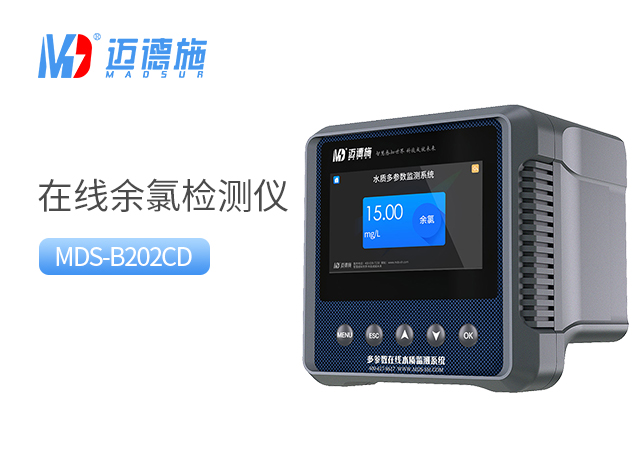
Today’s free chlorine automatic water quality sensors are a far cry from outdated models. Technological upgrades have made them more efficient and user-friendly:
Adopting membrane electrode technology, they achieve ±0.02mg/L precision with a wide measurement range of 0.01–2mg/L, solving the long-standing issues of drift and short service life in traditional devices;
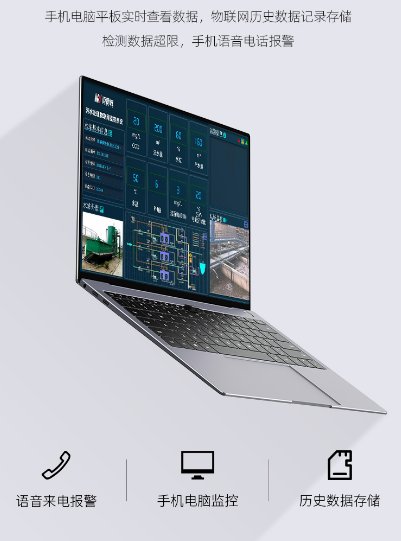
Seamless real-time linkage with disinfection systems enables automatic dosage adjustment, improving free chlorine control accuracy to ±0.05mg/L without manual supervision;
Maintenance cycles are extended to 12 months, reducing operational costs by 35%—making them easily adaptable to both municipal water pipelines and factory workshops.
3. Three Industries as “Major Buyers”: Concentrated Demand Explodes
3.1 Municipal Water Supply Companies: “Disinfection Sentinels” for Water Pipelines
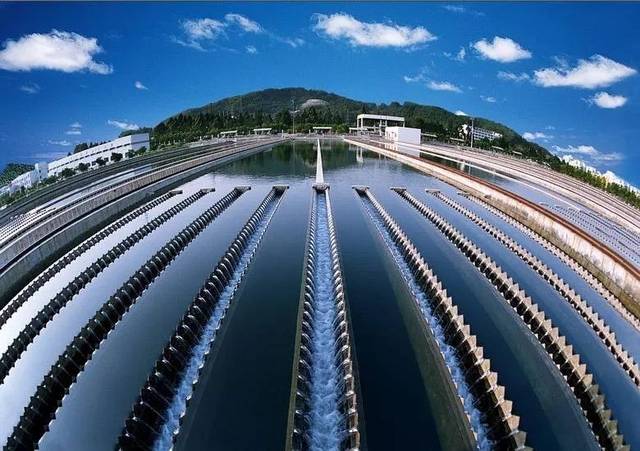
Municipal water suppliers’ biggest fear is “free chlorine decay at pipeline endpoints”:
Insufficient free chlorine leads to microbial contamination, costing over 3 million yuan per emergency response;
Manual inspections only occur once every 24 hours, failing to detect leakage or contamination in a timely manner;
Discontinuous water quality data makes safety traceability nearly impossible.
This “disinfection sentinel” solves all these problems:
24/7 monitoring of pipeline free chlorine, coupled with secondary disinfection systems, maintains a 99% compliance rate at pipeline endpoints;
Leakage and contamination alerts within 1 hour cut emergency response costs by 60%;
Real-time data upload to regulatory platforms ensures smooth passing of national water quality safety assessments.
With over 80 billion yuan invested in national water supply network renovations in 2026, equipment procurement is growing at 48%, accounting for 55% of the total market share and making municipal water supply the largest demand sector.
3.2 Food Processing Plants: “Sterilization Guards” for Production Safety
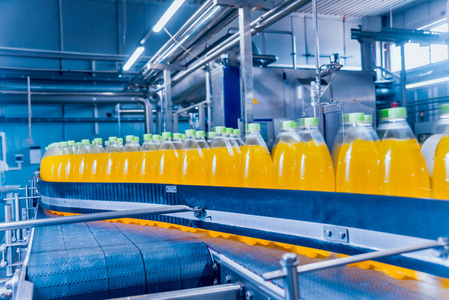
Food processing plants have zero tolerance for free chlorine control failures:
Insufficient free chlorine in production water causes microbial overgrowth, shortening food shelf life by 3 months and leading to a 10% product loss rate;
Excessive free chlorine impairs product taste, resulting in a 12% terminal return rate;
Manual disinfection regulation lacks traceable data, leaving enterprises anxious during food safety inspections.
The online free chlorine sensor acts as a “sterilization guard”, securing the first line of production safety:
Precisely controlling free chlorine within 0.2–0.5mg/L drives microbial non-compliance rates down to zero, extending product shelf life by 6 months and reducing loss rates to 3%;
Achieves 98% taste consistency, boosting consumer satisfaction by 30%;
Automatically stores traceable data, ensuring a 100% pass rate in food safety inspections.
With a 38% increase in food safety investment in 2026, equipment procurement for the food industry is growing at 45%, emerging as a core growth driver.
3.3 Medical Institutions: “Compliance Benchmarks” for Wastewater Disinfection
Medical institutions dread “non-compliant wastewater disinfection”:
A single free chlorine violation leads to fines of 500,000–2,000,000 yuan and downgrades in environmental credit ratings;
Manual monitoring data lacks legal validity, increasing the risk of penalties during law enforcement inspections;
Unstable disinfection processes raise the potential for cross-infections.
This “compliance benchmark” delivers targeted solutions:
Real-time monitoring of wastewater free chlorine within 6.5–10mg/L, linked to disinfection systems to ensure compliant discharge and eliminate environmental penalty risks;
Data meets law enforcement requirements, guaranteeing one-time inspection approval;
Reduces cross-infection risks, elevating healthcare safety standards.
As the Discharge Standards of Water Pollutants for Medical Institutions tighten in 2026, hospital wastewater treatment equipment renewal rates reach 40%, with procurement growing at 42% and demand continuing to rise.

From “Supporting Tool” to “Core Equipment”: Seize the Safety Monitoring Dividend
In 2026, the online free chlorine water quality sensor has evolved from a “disinfection auxiliary device” to a “core safety prevention and control equipment”. Concentrated procurement from three industries—municipal water supply, food processing, and medical institutions—serves as a powerful triple engine driving the market’s rapid growth.
For enterprises, deploying this high-value livelihood product not only taps into industry growth momentum but also seizes a critical first-mover advantage in the safety monitoring market. If you are tracking the water disinfection and monitoring track, feel free to consult MedSci—your reliable free chlorine water quality sensor manufacturer! This “safety tool” with 42% growth potential is definitely worth prioritizing in your layout!
Previous: Online Free Chlorine Automatic Sensor – The “Disinfection Guardian” for Water Bodies: Which Water Sterilization Effects Does It Regulate?
Next: Food Enterprises’ Water Management Breakthrough Under New National Standards! How Online Free Chlorine Automatic Monitors Unlock Food Safety Compliance Chains?

 TEL
TEL