Food Enterprises’ Water Management Breakthrough Under New National Standards! How Online Free Chlorine Automatic Monitors Unlock Food Safety Compliance Chains?
Food production business owners all know that "clean water is a prerequisite for food safety"—no matter how good the raw materials are, they count for nothing if production water is contaminated. When the 2026 updated National Food Safety Standards came into effect, requirements for free chlorine and microbial indicators in production water became stricter than ever. Many enterprises have fallen into a dilemma of "uncontrollable free chlorine, unstable product quality, and compliance anxiety".
The online free chlorine automatic monitor, however, acts like a "water quality safety valve" for food production. It not only safeguards food safety bottom lines but also unblocks full compliance chains, enabling enterprises to thrive steadily amid stringent regulations. Below, professional free chlorine monitor manufacturers provide a detailed breakdown!
1. New National Standards “Tightening Spell”: Hard-and-Fast Rules for Food Production Water
The updated National Food Safety Standards clearly stipulate that free chlorine concentration in production water directly contacting food must be stably maintained between 0.2-0.5mg/L, with microbial indicators meeting 100% of the standards. Most crucially, enterprises must provide full-process traceable and verifiable monitoring data. This is not an empty requirement: non-compliance may lead to product recalls, fines, and even revocation of production licenses in severe cases.
Veterans in the food industry understand that free chlorine is the "disinfection guard" of production water—but this guard has a tricky temperament. Too low a concentration allows microorganisms to multiply, causing product spoilage; too high a concentration imparts a chlorine taste to food, ruining its flavor. A beverage factory owner complained: "We used to rely on manual chlorine dosing based solely on experience. Sometimes one batch of drinks tasted fine, but the next batch had a strange flavor, keeping complaint rates high. After the new national standards took effect, we lived in constant fear of failing random inspections."
2. Three Major Predicaments: Food Enterprises’ Water Management Headaches
2.1 Imbalanced Free Chlorine Leads to Quality “Rollercoaster”
Free chlorine concentration is like a seesaw—extremely difficult to balance.
A dairy factory once had to recall a batch of yogurt due to excessive free chlorine, suffering direct losses exceeding 400,000 yuan.
2.2 Sky-High Losses Erode Profits
Poor free chlorine control causes heart-wrenching losses for enterprises. A 10% product loss rate is no trivial matter; combined with after-sales compensation for consumer complaints and logistics costs, profits are gnawed away little by little. A meat processing factory calculated that raw material waste and product scrappage caused by free chlorine issues alone exceeded 600,000 yuan a year, not to mention expenses from after-sales disputes—making it increasingly hard to turn a profit.
2.3 Compliance Risks Make Random Inspections a Nerve-Wracking Experience
Manual free chlorine adjustment relies entirely on "feel", resulting in poor stability and high risks of failing random inspections. Non-compliance with free chlorine or microbial standards forces enterprises to suspend production for rectification, recall products, and suffer irreversible damage to brand reputation. A quality manager sighed helplessly: "Every time regulators come for random inspections, we’re on tenterhooks, fearing that water quality issues will disrupt the entire factory’s normal operations."
3. Technological Breakthrough: The Monitor’s “Precision Expertise”

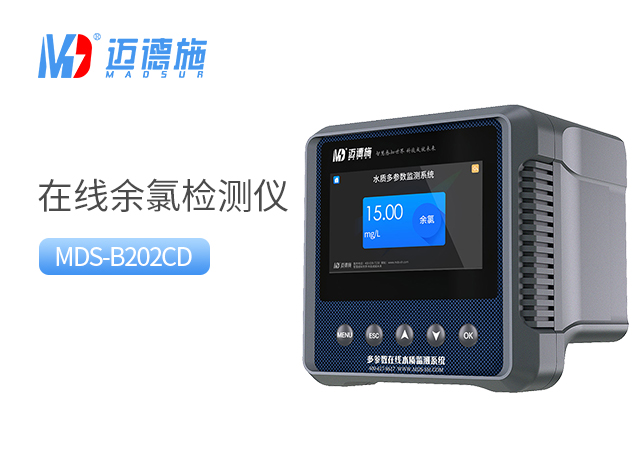
As a professional China free chlorine detector supplier, our free chlorine automatic water quality sensor has become the "water management savior" for food enterprises, thanks to its three core capabilities:
It acts as a 24/7 "water quality steward" on the production line, keeping free chlorine concentration in the optimal range at all times. It also serves as a "food safety amulet", recording monitoring data at every step, making microbial overgrowth a thing of the past, and eliminating anxiety during random inspections.
4. Full-Chain Empowerment: Achieving a Triple Win of Quality, Reputation, and Compliance
4.1 Stable Quality Cuts Loss Rate to 3%
Precise free chlorine control drives microbial non-compliance rates down to zero and extends product shelf life significantly. After adopting this monitor, a meat processing factory extended its product shelf life from 4 months to 10 months and reduced loss rates from 10% to 2%, saving over 800,000 yuan in losses annually—translating into tangible cost savings.
4.2 Improved Reputation Boosts Repeat Purchase Rates
Stable free chlorine concentration ensures consistent food taste, increasing consumer satisfaction by 30%. Many enterprises have successfully entered large supermarkets and chain convenience stores with their stable product quality, building stronger brand reputation, retaining repeat customers, and attracting new ones—driving order volume growth against the odds.
4.3 Solid Compliance Ensures 100% Pass Rate in Inspections
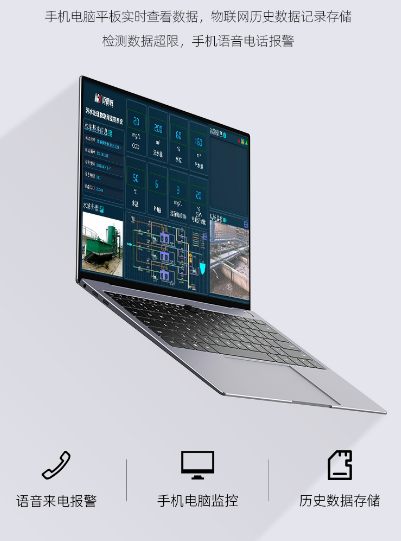
Full-process monitoring data is automatically stored and can be exported anytime, fully meeting the new national standards’ traceability requirements. Enterprises now pass every food safety inspection with flying colors. No longer facing the threat of production suspension and rectification, they can focus on production and R&D with confidence, laying a solid foundation for long-term development.
5. Seize the Opportunity: Build a Food Safety Competitive Barrier

With increasingly stringent food safety regulations in the industry, water quality control has become the core competitiveness of enterprises. As a high-performance free chlorine automatic water quality sensor, the online free chlorine automatic monitor is not just a simple "monitoring tool"—it is a key weapon for food enterprises to unlock compliance chains, stabilize product quality, and reduce production costs.
If you are struggling with uncontrollable free chlorine, high product losses, or inspection risks, feel free to consult MedSci—your reliable free chlorine monitor manufacturer and China free chlorine detector supplier. Use technological means to safeguard food safety bottom lines and lead the industry in the era of strict supervision. Have you encountered any water quality control challenges in food production? Welcome to share and exchange ideas in the comment section!
Previous: 2026 Online Free Chlorine Water Quality Sensor Growth Surges 42%? Three Industries Drive Explosive Demand!
Next: Solving Rural Water Supply “Disinfection Challenges”! Online Free Chlorine Automatic Water Quality Monitor: The “Reassurance Pill” for 2026 Drinking Water Safety Compliance

 TEL
TEL