Solving Rural Water Supply “Disinfection Challenges”! Online Free Chlorine Automatic Water Quality Monitor: The “Reassurance Pill” for 2026 Drinking Water Safety Compliance
As a professional China free chlorine detector supplier, we understand that rural drinking water safety has become a core assessment item for rural revitalization in 2026—and trusted free chlorine monitor manufacturers like MedSci are providing tailored solutions to address the unique disinfection pain points of rural water supply stations.
1. A Critical Test for Rural Revitalization: The “Disinfection Life-or-Death Line” of Rural Water Supply Stations
In 2026, rural drinking water safety standards will be fully tightened, with water supply compliance rates directly incorporated into rural revitalization assessments. Drinking water free chlorine must be stabilized at 0.2-0.5mg/L; non-compliance will not only lead to public notifications and rectification for water supply stations but also lower the entire village’s assessment scores and affect policy subsidy applications. For rural areas, drinking water safety is no longer a “trivial livelihood issue” but a “mandatory exam question” that determines the quality of rural revitalization. Below, MedSci, a leading free chlorine monitor manufacturer, provides a detailed breakdown!
Yet disinfection work at rural water supply stations has always been a dilemma:

2. Three Painful Challenges: Hard Disinfection, Understaffed Operation, and Unreliable Power
Each disinfection challenge at rural water supply stations hits grassroots pain points and grows more intractable over time:
2.1 Free Chlorine “Rollercoaster” Pleases No One
Manual chlorine dosing relies entirely on guesswork, leading to unstable levels that swing from insufficient to excessive:
2.2 Understaffed Operation Turns Equipment into Decorations
A single water supply station typically has only 1-2 part-time managers, most of whom are over 60 years old. They cannot understand complex control panels or repair faulty equipment. Traditional disinfection devices have numerous buttons and complicated parameters, leaving the elderly confused—and the equipment ends up unused, with disinfection relying solely on outdated experience.
2.3 Unreliable Power Disrupts Disinfection
Many remote villages face unstable power supplies that cut out during storms. Regular disinfection equipment shuts down without power, halting disinfection entirely. Running dedicated power lines costs tens of thousands of yuan, which is unaffordable for water supply stations—leaving water quality safety unprotected.
3. Drinking Water Safety Tool Launched! Precise Disinfection + Rural Adaptability for Easy Compliance & Operation
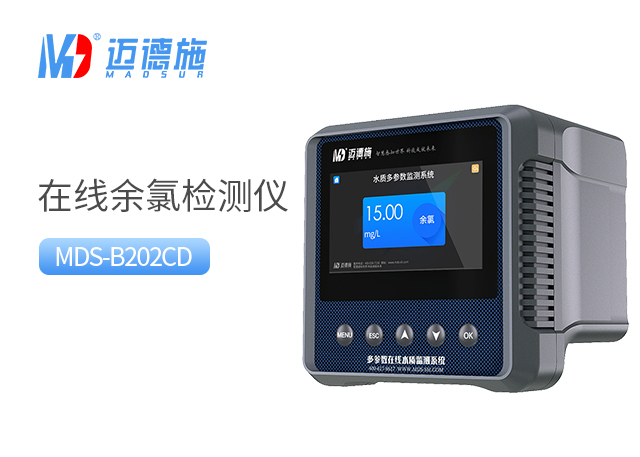
Tailored to the unique conditions of rural water supply stations, this online free chlorine automatic water quality monitor features a “down-to-earth” design that solves disinfection challenges in one go:
3.1 Precise & Stable Control with No Deviation
3.2 Solar Power Solves Energy Problems
3.3 Reduced Operational Burden for Worry-Free Management
4. Vivid Analogy: Installing an “Intelligent Disinfection Butler” for Rural Drinking Water
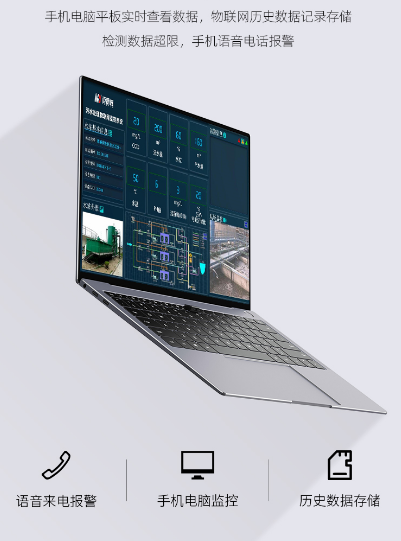
If water supply pipelines are the “water transport arteries” of villages, free chlorine is the “germ-killing guard”. This online free chlorine automatic water quality monitor acts as the “intelligent disinfection butler” of rural water supply stations:
It also serves as a “burden-reducing reassurance pill” for grassroots managers: it simplifies complex disinfection operations, solves power supply problems, and lets operators safeguard drinking water safety without professional skills or constant supervision—helping villages ace the “drinking water exam” for rural revitalization.
5. Tangible Benefits: Higher Compliance, Fewer Complaints, Lower Costs
For rural water supply stations, this device is not an “extra burden” but a “livelihood helper” with measurable benefits:
5.1 Surge in Water Supply Compliance
Free chlorine stability in the compliance range boosts water supply compliance rates from below 98% to 99%, cutting villager complaints by 80%. Stations no longer face criticism for water quality issues and easily pass rural revitalization assessments.
5.2 Dramatic Reduction in Operational Costs
Automated operation cuts labor input, and low failure rates reduce maintenance fees. A single water supply station saves over 30,000 yuan in annual operational costs, easing village financial pressure—funds that can be redirected to other livelihood projects.
5.3 Confidence for Subsidy Applications
Fully compliant with the Rural Drinking Water Safety Evaluation Criteria, real-time traceable monitoring data can be directly exported for drinking water safety subsidy applications, significantly increasing approval rates and helping villages secure policy benefits.
6. Policy Compliance: Hard Proof for Stress-Free Acceptance Inspections

This online free chlorine automatic water quality monitor fully meets the tightened 2026 rural drinking water safety requirements, with monitoring data directly usable as evidence for compliance assessments. During higher-level inspections, there is no need to rush to organize paper records or fill in reports—an open platform displays the complete free chlorine monitoring chain, with safety guarantees from water source to tap visible at a glance, ensuring zero-pressure acceptance.
Moreover, stable drinking water safety data helps villages apply for honors like “Beautiful Livable Village” and “Livelihood Demonstration Project”, turning drinking water safety advantages into rural revitalization plus points and boosting villagers’ sense of well-being.
7. Selection Guide: Three Core Indicators to Avoid Pitfalls
When choosing equipment for rural water supply stations, the key is “practicality, durability, and ease of operation”, focusing on three dimensions:
8. Supporting Rural Revitalization: Stable Drinking Water Brings Stable Public Confidence

2026 is a crucial year for rural revitalization, and drinking water safety is the foundation of livelihood and stability. This online free chlorine automatic water quality monitor not only helps rural water supply stations safeguard safety bottom lines but also uses worry-free, cost-saving operational advantages to ensure livelihood projects deliver real results.
For villages and towns, it is not an “extra investment” but a “livelihood project accelerator”—a one-time input ensures long-term drinking water safety for villagers and helps pass rural revitalization assessments. In the “people-first” development trend, only by using technology to solve rural water supply challenges can villagers drink safe water and rural revitalization progress steadily and solidly.
Have you encountered any drinking water safety issues at your village’s water supply station? Feel free to consult MedSci—your reliable free chlorine monitor manufacturer and China free chlorine detector supplier with advanced free chlorine automatic water quality sensors! Let’s exchange insights and solutions!
Previous: Food Enterprises’ Water Management Breakthrough Under New National Standards! How Online Free Chlorine Automatic Monitors Unlock Food Safety Compliance Chains?
Next: 2026 Hotel Chain Procurement Surges 38%! Online Free Chlorine Automatic Monitor: The “Water Purification Shield” for Guest Satisfaction & Compliance Disclosure

 TEL
TEL