Avoid Pitfalls in Instrument Procurement for Hospital Sterilization Supply Centers: Don't Buy the "Multi - Point Integrated" Residual Chlorine Monitor! Single - Point Sensors Are Flexible and Save 30% of Costs!
In hospital sterilization supply centers (referred to as "sterilization supply centers"), residual chlorine detection is the "lifeline of sterilization safety." Just think about it. If the residual chlorine concentration in the water used to clean and disinfect medical instruments fails to meet the standards, the sterilization of the instruments may fail. When patients use these instruments, the risk of cross - infection will increase significantly, and the consequences are unimaginable. Sterilization supply centers usually need to conduct detections at scattered points such as cleaning tanks and rinsing pools. However, many hospitals have been deceived by the promotion of "multi - point integrated monitoring" and purchased instruments that are neither suitable nor expensive. Now, let the chlorine sensor Manufacturer, Maideshi, explain it to you in detail!
What Problems Does the "Multi - Point Integrated Residual Chlorine Monitor" Have?
This type of instrument requires complex wiring to be laid in advance to collect the signals from multiple points to the main unit. However, the equipment layout in the sterilization supply center is often adjusted. For example, when a new cleaning station is added, the previously laid wiring may become useless, and the whole wiring process has to be redone. Moreover, the integrated model has a major drawback: "if one part fails, the whole system stops." If the sensor at one point malfunctions, the entire instrument will be out of use. It's like buying a jumpsuit but trying to wash different parts separately, which is really inconvenient. During the maintenance period, the detection at all points has to be interrupted, which seriously affects the work efficiency of the sterilization supply center.

Advantages of Single - Point Sensors
Considering the actual situation of sterilization supply centers, more than 90% of the residual chlorine detection points (2 - 5 points) in sterilization supply centers are scattered in different operation areas. The single - point automatic residual chlorine sensor does not require wiring. It supports wireless transmission or independent power supply and can be flexibly moved as the workstations are adjusted. If a single sensor malfunctions, only the corresponding device needs to be replaced, that is, "replace one when it breaks." The maintenance cost is also very low. The maintenance cost of a single - point sensor is 60% lower than the overall maintenance cost of the integrated model, which can fully meet the needs of decentralized detection in sterilization supply centers.
Calculate the Costs
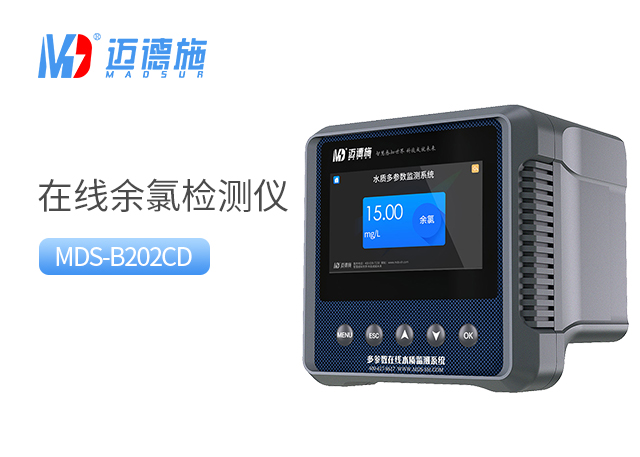
Comparing the prices of mainstream products on the market, the unit price of a 4 - point integrated residual chlorine monitor is about $35,000, while the total price of 4 single - point sensors is only $24,500, with a price difference of up to 30%. If an additional detection point is needed later, the integrated model requires an additional upgrade fee of $5,000, while for the single - point sensor, you only need to purchase one more, which costs about $6,000. In the long - term use, the cost of single - point sensors is lower, which better meets the hospital's need to control costs.
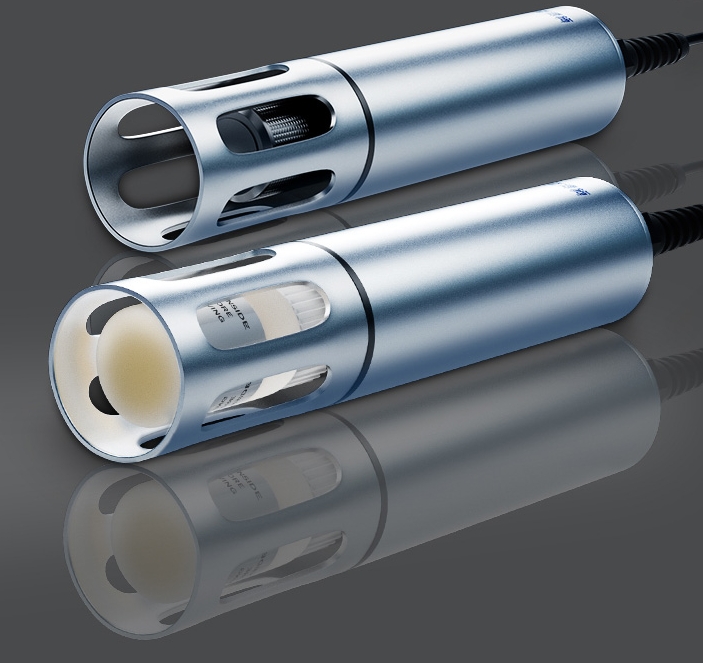
Therefore, when purchasing a residual chlorine monitor for the sterilization supply center, you should first choose single - point sensors according to the number of detection points instead of blindly pursuing "integration and convenience." You should focus on the detection accuracy of the sensor. In the range of 0.01 - 10mg/L, the error should be less than or equal to ±2% to meet the hospital's disinfection standards. You should also pay attention to the real - time data uploading function, which can be connected to the hospital's infection control system. Don't pay for those inflexible integrated functions anymore. In this way, you can not only ensure the hospital's disinfection safety but also control costs. Why not do it? If you also want to choose a suitable online residual chlorine detector and avoid being deceived, welcome to consult the chlorine sensor Manufacturer, Maideshi, at any time!
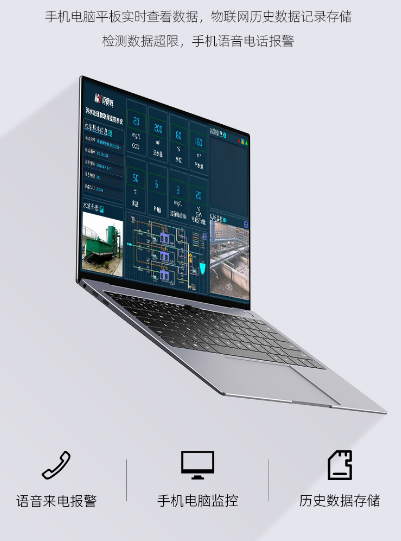
When choosing a residual chlorine monitor, remember to consider the Digital residual chlorine sensor and the online residual chlorine detector carefully. Make a wise choice to ensure the safety and cost - effectiveness of your hospital's sterilization supply center. If you have any questions about selecting the right equipment, Maideshi, the professional chlorine sensor Manufacturer, is here to help you make the best decision.
Previous: The Key to Cost - Saving in Laboratory Wastewater Treatment: Don't Be Locked in by the "Special Reagents" of Residual Chlorine Analyzers. Universal Ones Meet Standards and Save 60%
Next: Hospital Sterilization Supply Center Instrument Procurement: Avoid the Pitfall! Don't Buy the

 TEL
TEL