Avoid Pitfalls in Tap Water Disinfection Monitoring! Benchtop Automatic Residual Chlorine Analyzer: Your Shield for Drinking Water Safety — Choose the Right Model to Avoid Operational Headaches!
A friendly reminder from the manufacturer of benchtop residual chlorine water quality analyzers:
Colleagues in water plant operation and maintenance all know that residual chlorine acts as a “disinfection guardian” in tap water, quietly protecting residents’ drinking water safety.

But this “guardian” can also be “temperamental”:
Excessively high levels give tap water a pungent disinfectant odor, as if drinking disinfectant directly, harming taste and irritating the stomach and intestines.
Insufficient levels fail to kill bacteria, allowing microorganisms to multiply and create hidden drinking water safety risks.
Judging residual chlorine levels by experience is as unreliable as working by guesswork.
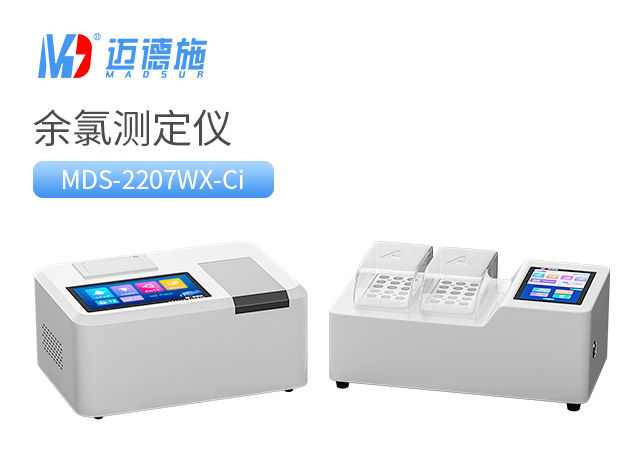
The benchtop residual chlorine analyzer serves as a “safety shield” for drinking water — yet choosing the wrong model can lead to inaccurate data, higher costs and lower efficiency in daily operation.
Essential! Three Scenarios in Water Plants That Cannot Do Without a Residual Chlorine Analyzer
Tap water safety concerns the health of millions of households, and residual chlorine monitoring is central to disinfection.
The benchtop residual chlorine analyzer is not optional equipment — it is a must-have tool covering the entire production and distribution process.
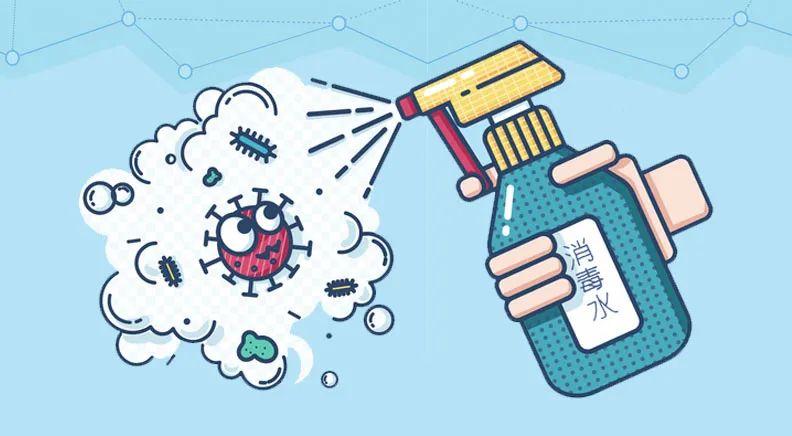
Without it, the following three core scenarios cannot guarantee drinking water safety.
1. Post-disinfection testing — building the first defense line
After disinfection at the water plant, residual chlorine levels must be measured to confirm disinfection effect.
Only when residual chlorine meets standards can bacteria and viruses be effectively eliminated, avoiding safety hazards caused by incomplete disinfection.
This is the first step in protecting residents’ drinking water safety.
2. Pipe network inspection — securing the distribution line
As tap water travels through long pipelines to households, residual chlorine gradually decays.
Regular testing of residual chlorine at pipe network ends allows timely detection of attenuation and adjustment of disinfection strategies, ensuring sufficient disinfection effect when water reaches residents and preventing bacterial growth during delivery.
3. Finished water testing — upholding compliance standards
The state has clear national standards for residual chlorine in tap water, and finished water testing is the final checkpoint.
Verifying chlorine levels with a residual chlorine analyzer ensures compliance before water is supplied to the public, protecting safety and avoiding penalties from regulators for substandard results.
Relatable! Three Most Annoying Pain Points for Water Plant O&M Staff
Many water plant operators complain that although the benchtop residual chlorine analyzer is a safety shield, it causes serious headaches in real use.
These problems reduce accuracy, raise costs and delay work:
Pain Point 1: Organic interference leads to unstable, inaccurate data
Tap water contains various organic substances that act as hidden interference factors, reacting with residual chlorine and causing data deviation.
Even repeated calibration cannot stop fluctuating readings, making it impossible to grasp real chlorine levels and leaving operators constantly worried about disinfection effectiveness.
Pain Point 2: Reagents expire easily, resulting in high replacement costs
Residual chlorine testing relies on special reagents, which have short shelf lives and deteriorate easily, much like expired medicine.
Frequent purchasing and replacement are necessary, especially in high summer temperatures when reagents fail even faster.
Annual reagent costs add significant extra burden to water plant operations.
Pain Point 3: Cumbersome batch testing prone to human error
Water plants test large numbers of water samples every day.
Reagent addition requires precise dosage control — even a small too-much or too-little affects results.
Manual dosing is not only tedious but also error-prone, leaving operators rushed and overwhelmed during batch testing.
Targeted Model Selection: Three Key Points to Easily Solve O&M Pain Points
You don’t have to be trapped by these problems.
Choosing the right benchtop residual chlorine analyzer for water plant environments can cut your workload in half.
Focus on these three selection rules to solve organic interference, reagent failure and tedious batch testing:
Selection Tip 1: Prioritize models with “organic anti-interference” capability
Such models effectively resist interference from organic matter in tap water, avoiding data deviation caused by chemical reactions.
Stable and accurate readings require no repeated calibration, allowing operators to clearly grasp real residual chlorine levels and confidently control disinfection effect.
Selection Tip 2: Choose models with “stable reagents and long shelf life”
Models using highly stable, long-shelf-life reagents greatly reduce replacement frequency.
This cuts purchasing costs, avoids testing errors from expired reagents, lowers overall operation expenses and saves time and effort.
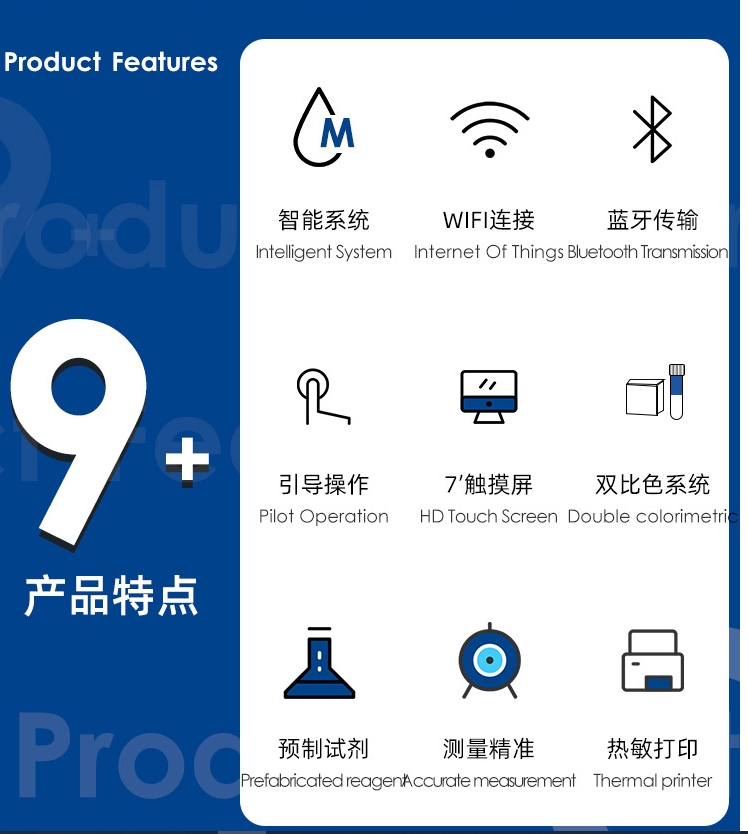
Selection Tip 3: For heavy batch testing, choose models with “automatic reagent dosing”
Built-in automatic reagent dosing eliminates manual addition.
The instrument precisely controls volume, reducing human error and greatly improving batch testing efficiency.
Operators are freed from tedious manual work and can complete testing efficiently.
Choose the Right “Shield” to Guard Drinking Water Safety for Millions of Households
No detail is trivial in tap water safety; it relates to everyone’s health.
The benchtop residual chlorine analyzer is the core shield protecting this safety.
Although it may seem to have operational pain points, the right model resolves all issues, enabling precise residual chlorine control and making disinfection more efficient and worry-free.
Many water plant staff find residual chlorine testing difficult and costly not because instruments are poor, but because they have not chosen models adapted to water plant scenarios.
By focusing on anti-interference, stable reagents and automatic dosing, water plants can avoid operational headaches, monitor chlorine accurately and ensure qualified disinfection.
After all, we share the same goal:
to let every resident turn on the tap and drink safe, secure and risk-free tap water.
Finally, we’d like to ask:
Has your water plant experienced inaccurate data or easily expired reagents when using benchtop water quality analyzers?
Feel free to leave a message with Medshy Residual Chlorine Water Quality Sensor Manufacturer.
Choosing the right model can truly cut residual chlorine monitoring effort in half and firmly safeguard the bottom line of drinking water safety.
Previous: It's already the first one
Next: Unstable Water Quality in Spring – Hard to Control Disinfection for Beverage Production? Online Automatic Residual Chlorine Analyzer Ensures Product Safety!

 TEL
TEL