Unstable Water Quality in Spring – Hard to Control Disinfection for Beverage Production? Online Automatic Residual Chlorine Analyzer Ensures Product Safety!
A friendly reminder from Medshy Residual Chlorine Water Quality Monitor Manufacturer:Spring brings fluctuating temperatures and is the peak season for beverage production. For production and operation staff in beverage factories, however, it is also a “tough battle for quality”.As temperatures shift, bacteria and microorganisms in beverage production water multiply rapidly. As a result, residual chlorine levels for disinfection swing unpredictably, becoming a core production headache.
Everyone in beverage production knows that residual chlorine is the “core defense line” for beverage safety, and its stability is the “lifeline” of product safety. Any fluctuation in residual chlorine means hidden safety risks.Insufficient residual chlorine leads to incomplete disinfection of production water; remaining bacteria and microorganisms cause beverages to deteriorate and spoil.Excessive residual chlorine gives beverages a pungent chlorine odor, ruining taste and quality. Once such products enter the market, they not only hurt sales but also damage the brand’s reputation.
Four Pain Points of Residual Chlorine Control in Spring Beverage Production
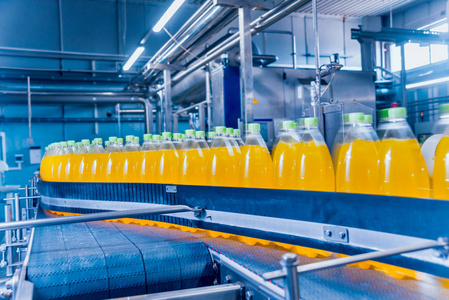
During the spring peak season, high water consumption and frequent water quality changes double the difficulty of residual chlorine control. These four common problems trouble almost every beverage factory and allow no carelessness:
1. Fast residual chlorine fluctuations make manual monitoring unable to catch peaks
Water quality is unstable in spring, and water usage surges during peak production. Residual chlorine levels rise and fall sharply. Manual testing only takes samples at fixed times and cannot accurately capture peak values, easily leading to incomplete disinfection or excessive chlorine, endangering product safety.
2. Traditional testing is too slow, causing high rework costs
Traditional residual chlorine testing involves sampling, testing, and result analysis, which takes hours and cannot reflect real-time changes.By the time data is available and disinfection plans are adjusted, entire batches of beverages may already be substandard due to abnormal chlorine levels and must be reworked, greatly increasing production costs.
3. Insufficient testing accuracy leads to frequent misjudgment
Beverage production has extremely high requirements for residual chlorine precision. Even slight excess affects taste. Manual testing has large errors, often resulting in the awkward situation of “test-passed but product-failed”, allowing substandard goods to reach the market and harm the brand.
4. Difficult equipment maintenance easily interrupts monitoring
Large temperature and humidity swings in spring easily invalidate residual chlorine reagents. Meanwhile, beverage residues during production contaminate the monitor probe.Many operators lack scientific maintenance knowledge, leading to either frequent reagent replacements (raising costs) or monitoring interruptions due to equipment failure, delaying production.
Online Residual Chlorine Analyzer: The “Safety Guardian” of Beverage Factories
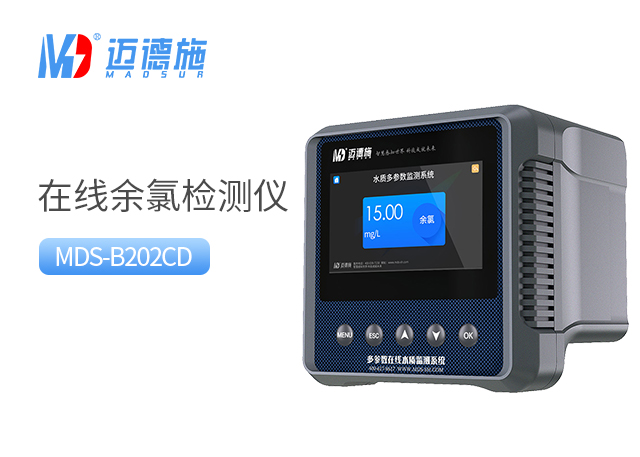
To solve spring residual chlorine fluctuations and protect beverage quality and safety, there is no need for repeated manual testing and adjustments.One online automatic residual chlorine sensor acts as a dedicated safety guardian, protecting production 24/7 and balancing disinfection effect and beverage taste.
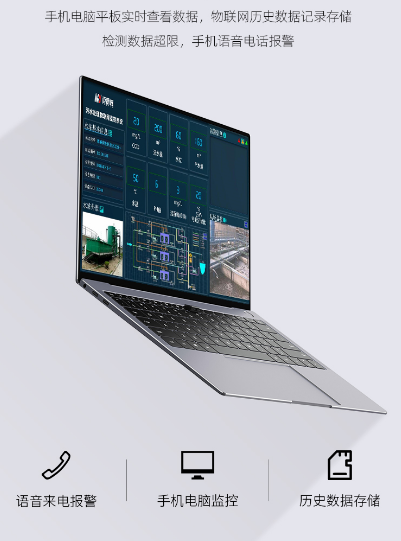
Specially designed for the strict demands of beverage production, it delivers full-range high precision, capturing even tiny residual chlorine changes. It completely eliminates large errors, missed detections, and misjudgments in manual testing.It runs nonstop 24 hours a day, covering the entire process of production water and disinfection water without manual supervision. Monitoring data uploads in real time to the production control background, accessible anytime via mobile phones and computers.An automatic alarm activates immediately if residual chlorine becomes abnormal, providing early risk warning.
More practically, it offers accurate data support for disinfection adjustment. Operators can scientifically adjust disinfectant dosage based on real-time residual chlorine data, ensuring thorough disinfection while avoiding taste damage from excessive chlorine.This effectively reduces batch rework, lowers production costs, stabilizes product safety and quality, and helps enterprises maintain their production bottom line.
Practical Maintenance Tips: 4 Steps for Uninterrupted, Accurate Monitoring
Based on the aseptic production environment of beverage workshops, here are four practical equipment maintenance tips summarized from frontline experience. Proper implementation ensures stable operation and precise data:
1. Clean the probe daily
After production, rinse the monitor probe with sterile clean water to completely remove attached beverage residues, preventing contamination that reduces accuracy and protecting the aseptic workshop environment.
2. Calibrate the equipment every 12 days
Fluctuating temperature and humidity in spring affect testing precision. Calibrate the analyzer with standard solution every 12 days to ensure accurate data and avoid wrong disinfection adjustments caused by deviations.
3. Check reagent status daily
Inspect the remaining volume and effectiveness of residual chlorine reagents every day. Reagents must be stored in a cool, dry place to avoid failure due to humidity or temperature changes. Replace or replenish promptly when insufficient or expired.
4. Standardize installation and regular inspection
Install the equipment in the aseptic area of the workshop, away from beverage production lines to avoid dust and residue contamination. Regularly check the sealing performance to prevent dust and moisture from entering and affecting accuracy.
Uphold Quality Bottom Line and Help Enterprises Capture the Market

Spring is the golden peak season for beverage production. Quality and safety form the core competitiveness of enterprises.Seemingly small fluctuations in residual chlorine actually affect product safety, taste, and brand reputation, allowing no negligence.
For beverage production operators, guarding the disinfection bottom line and ensuring product quality is our responsibility and mission.Feel free to leave a message with Medshy Residual Chlorine Water Quality Sensor Manufacturer. Choose a reliable online automatic water quality analyzer to bid farewell to the cumbersomeness, delay, and high cost of manual monitoring.Accurately control residual chlorine levels, balance disinfection effect and beverage taste, uphold product safety, help enterprises seize the market, enhance reputation, and achieve simultaneous growth in sales and quality during the peak season!
Previous: Avoid Pitfalls in Tap Water Disinfection Monitoring! Benchtop Automatic Residual Chlorine Analyzer: Your Shield for Drinking Water Safety — Choose the Right Model to Avoid Operational Headaches!
Next: Teachers and Students Worried About Drinking Water Safety? Is the Online Automatic Residual Chlorine Analyzer “Misbehaving”? Manufacturer Suggests Avoiding These 3 Maintenance Mistakes!

 TEL
TEL