Teachers and Students Worried About Drinking Water Safety? Is the Online Automatic Residual Chlorine Analyzer “Misbehaving”? Manufacturer Suggests Avoiding These 3 Maintenance Mistakes!
A friendly reminder from the manufacturer of laboratory residual chlorine water quality analyzers:In centralized water supply for campuses, online residual chlorine analyzers often “misbehave” with distorted data and failed alarms. In mild cases, unstable residual chlorine levels affect drinking taste and cause dissatisfaction among teachers and students. In severe cases, bacteria exceed standards, leading to drinking water safety incidents, accountability from competent authorities, damaged school reputation, and negative impacts on the school’s image.

Based on practical operation and maintenance cases of campus water supply, the manufacturer has found that the core reason why online residual chlorine analyzers fail to work properly and safeguard drinking water safety is not equipment quality defects, but that schools have fallen into three common maintenance mistakes. Each mistake is directly related to the health of teachers and students, school responsibility and reputation, with clear serious consequences, which must be highly valued and firmly avoided.
Mistake 1: Not adapting to campus water use fluctuations, frequent data fluctuations hide safety hazards
Water consumption on campus is concentrated in the morning, noon and evening, with large flow fluctuations. If sensor parameters are not adjusted accordingly, data will jump frequently and cannot reflect the real residual chlorine concentration accurately. Inaccurate monitoring may lead to bacterial growth due to insufficient chlorine, or mucosal irritation caused by excessive chlorine, affecting both taste and drinking water safety.
Mistake 2: Incomplete monitoring point coverage, creating blind spots in aging pipe network areas
Campus water supply networks are complex and some pipelines are old. Installing monitoring points only at the main pipeline will result in blind spots in dormitories, teaching building ends and aging pipe sections. Substandard local residual chlorine cannot be detected in time. Once a drinking water safety incident occurs, the school will face accountability and reputational damage.
Mistake 3: Neglecting equipment maintenance during holidays, excessive accumulated chlorine endangers water safety after reopening
During holidays, campus water consumption drops sharply, making it easy for residual chlorine to accumulate and exceed standards. If alarm parameters are not adjusted and remote inspections are not carried out, direct water supply after reopening will likely cause excessive chlorine, irritating the oral cavity and gastrointestinal tract of teachers and students, triggering discomfort and complaints, and harming the school’s image.
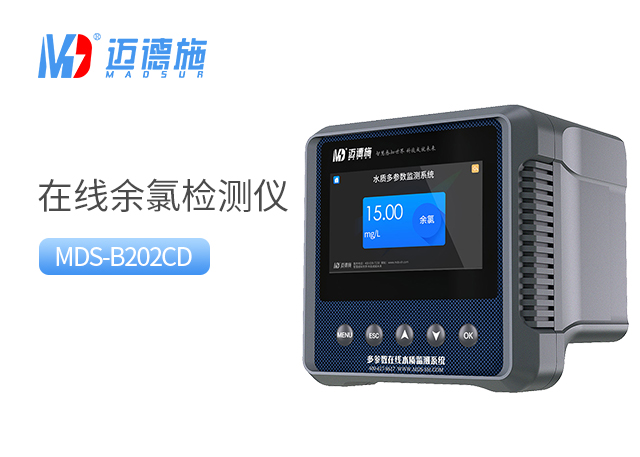
In view of the above three core maintenance mistakes, the residual chlorine analyzer manufacturer has provided targeted and implementable solutions based on the characteristics of campus centralized water supply, so that the online automatic residual chlorine detector will no longer “misbehave”.
Solution 1: Adjust sensor parameters to adapt to campus water use fluctuations
Optimize detection frequency and response speed according to peak and off-peak water use periods in the morning, noon and evening, and set reasonable residual chlorine safety thresholds to ensure more stable and accurate data, precisely control chlorine levels, and avoid drinking water safety risks from the source.
Solution 2: Scientifically plan monitoring points to achieve full pipe network coverage without blind spots
Arrange proper monitoring points at the main pipeline, teaching buildings, dormitories, pipe network ends and aging pipeline areas to ensure key and high-risk zones are fully covered. Detect local chlorine abnormalities in time to prevent small problems from escalating into safety incidents.
Solution 3: Carry out special holiday maintenance and calibrate in advance to ensure safety upon reopening
Adjust alarm parameters according to low water consumption during holidays and arrange special personnel for regular remote inspections to prevent excessive chlorine accumulation. Before the semester begins, thoroughly clean and calibrate sensors and flush the pipe network to ensure safe and good-tasting drinking water for teachers and students.
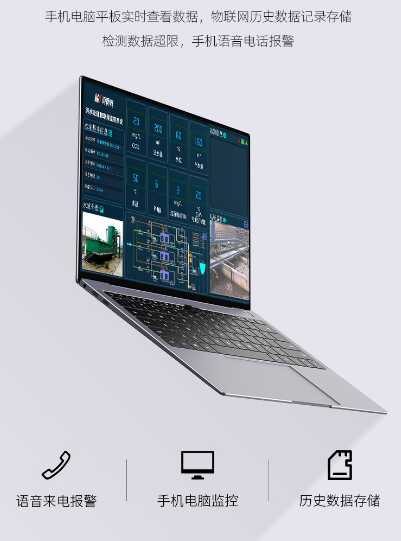
Campus drinking water safety is related to the health of teachers and students, and is an unshirkable responsibility of the school. By avoiding the three maintenance mistakes of inappropriate parameters, incomplete point layout and lack of holiday maintenance, the online residual chlorine analyzer can operate stably and monitor accurately, eliminating malfunctions, avoiding safety accountability and reputational damage, firmly protecting drinking water safety, and maintaining a good school image.
Finally, we would like to ask: During the operation and maintenance of campus centralized water supply, what other “misbehaving” situations or maintenance problems have you encountered with automatic water quality analyzers? Welcome to leave a message in the comment section of the residual chlorine water quality sensor manufacturer. Let’s discuss and solve them together, helping schools build a solid line of defense for teachers’ and students’ drinking water safety and ensure stable development of school operations.
Previous: Unstable Water Quality in Spring – Hard to Control Disinfection for Beverage Production? Online Automatic Residual Chlorine Analyzer Ensures Product Safety!
Next: Say Goodbye to Bulky Equipment! Portable Automatic Residual Chlorine Tester for Bottled Water Production: Palm-sized Operation with Higher Accuracy, Efficient Production Without Delays!

 TEL
TEL