Don't Ignore the "Invisible Harm" of Residual Chlorine! These Types of Enterprises Should Equip with Online Automatic Residual Chlorine Detectors
In the production and operation of enterprises, the problem of residual chlorine is like a hidden "killer". Once out of control, it can bring huge losses to enterprises. There was once a juice factory that faced a serious corporate crisis because the residual chlorine in its production water exceeded the standard. A batch of products produced by the factory had an obvious chlorine smell and was widely complained about by consumers. Eventually, the factory had to recall the products, resulting in a direct economic loss of up to 800,000 yuan. Even worse, many employees who were exposed to the excessive - chlorine water for a long time developed skin allergies, which led to labor disputes. This is the "double - edged harm" caused by the out - of - control residual chlorine, which not only threatens the health of consumers but also causes significant losses to the enterprise. Next, let the chlorine sensor Manufacturer, Maideshi Residual Chlorine Water Quality Monitor Factory, explain it in detail for you!

The impact of residual chlorine hazards varies across different industries.
1. For water treatment plants, excessive residual chlorine is a major issue. Once the residual chlorine exceeds the standard, it will trigger a large number of complaints from users, seriously affecting the enterprise's reputation. If the long - term excessive residual chlorine is detected by the regulatory authorities, the water treatment plant may face fines, water supply restrictions, or even the revocation of its water supply license. According to relevant data, there are not a few water treatment plants that have been punished for excessive residual chlorine.
2. Food and beverage factories are also deeply troubled by the problem of residual chlorine. Residual chlorine in the production water can lead to product scrapping and increased production costs. If the products with excessive residual chlorine enter the market and are identified as "unqualified products" by the regulatory authorities, the factory will not only face penalties but also suffer a great blow to its brand image.
3. In swimming pool venues, the problem of residual chlorine can cause a large loss of tourists. For example, some regular customers no longer visit the pool because their skin is irritated. If the pool fails the random inspection by the health department, it will be ordered to suspend business for rectification, and the losses can be imagined.
Many enterprises have some misunderstandings when dealing with the problem of residual chlorine.
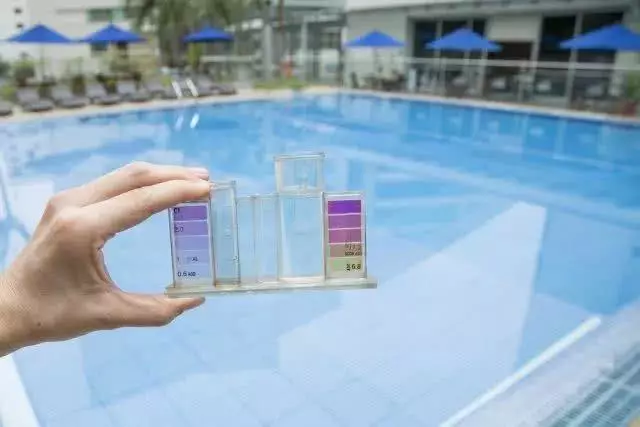
Misunderstanding 1: "As long as chlorine is added for disinfection, there will be no problem." This idea ignores the balance between "chlorine dosage" and "residual chlorine". Either the residual chlorine exceeds the standard and endangers human health, or the residual chlorine is insufficient and causes pollution.
Misunderstanding 2: "Manual detection once in a while is enough." Manual detection has a low frequency and a long cycle, which cannot cover the entire production or service period. It is very easy to miss the "dangerous window period" of residual chlorine fluctuations.
Misunderstanding 3: "Online equipment is too expensive, so we should save as much as possible." In fact, the losses caused by a single incident of excessive residual chlorine, such as product recalls, fines, and complaints, far exceed the investment cost of an online residual chlorine detector. The price of a single online automatic residual chlorine detector ranges from 10,000 to 30,000 yuan.
Online residual chlorine detectors can specifically solve the pain points in different industries.
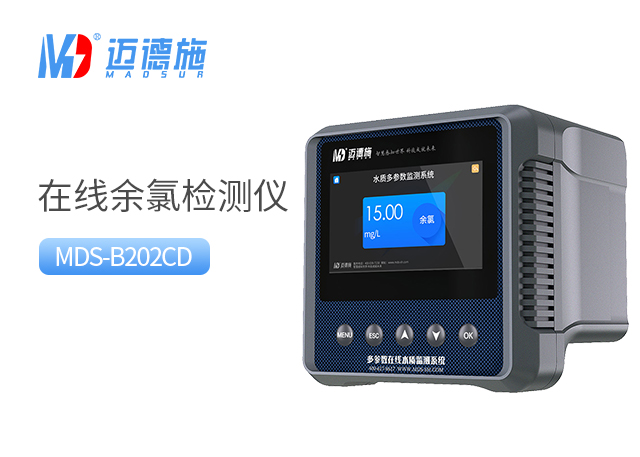
1. For water treatment plants, it is difficult to monitor the residual chlorine at the end of the pipeline network, and the coverage of manual sampling is limited. By deploying detectors and Digital residual chlorine sensors at the outlet water, key nodes of the pipeline network, and terminal water in residential areas, a "full - process residual chlorine monitoring network" can be formed to ensure that the residual chlorine from the water treatment plant to the user end always meets the standard, effectively reducing complaints.
2. In food and beverage factories, there are many production water links, and it is difficult for manual detection to cover all of them. Installing detectors at each water - using link can monitor the residual chlorine concentration in real - time, ensuring that each link meets the process standards and avoiding the unqualified of the whole batch of products. In swimming pools, the residual chlorine in the pool water is consumed quickly during the peak tourist season. If the manual adjustment is not timely, the chlorine concentration is likely to be insufficient. The detector can be linked with the automatic dosing system, which can automatically add chlorine according to the number of tourists and water quality changes, ensuring that the residual chlorine is stably within the safe range. It can also display the data in real - time at the entrance to reassure tourists.
What should enterprises do?
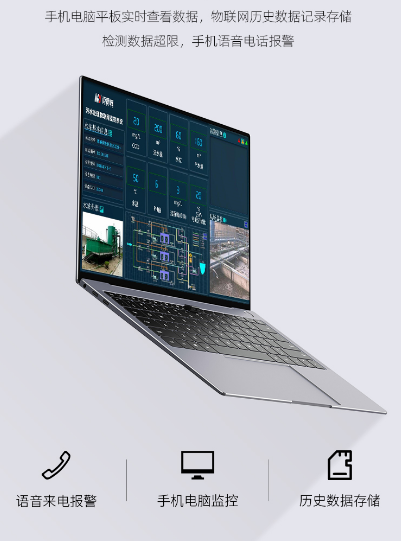
Step 1: Evaluate their own risks. Check whether there is a risk of residual chlorine out - of - control in the production or service process by referring to the national standard for residual chlorine, such as multiple water - using links or direct contact between users and water.
Step 2: Prioritize the deployment at key points. Water treatment plants should first install detectors at the outlet water and terminal water; food factories should first install them at the ingredient water; swimming pools should first install them at the pool water circulation ports.
Step 3: Select suitable equipment. According to the water quality characteristics, such as turbidity and organic matter content, select the corresponding model of online automatic water quality analyzer or online automatic water quality monitor to ensure accurate data and avoid "buying the wrong equipment that is useless".
Don't ignore the "invisible harm" of residual chlorine anymore! Contact the chlorine sensor Manufacturer immediately to escort the stable development of your enterprise!
Previous: Summer Brings a Surge in Drinking Water Bacteria! Online Residual Chlorine Detector Precisely Controls Disinfection, Safeguarding Enterprise Water Supply Safety!
Next: GB5749 - 2022 is Here! If You Don't Adjust These 3 Points on the Online Residual Chlorine Detector in the Waterworks, Qualified Residual Chlorine Values are in Vain!

 TEL
TEL