GB5749 - 2022 is Here! If You Don't Adjust These 3 Points on the Online Residual Chlorine Detector in the Waterworks, Qualified Residual Chlorine Values are in Vain!
In the daily operation of waterworks, the control of residual chlorine has always been the key to ensuring water quality safety. However, with the implementation of the new GB5749 - 2022 standard, an unexpected situation has emerged: even if the residual chlorine detection value is qualified, it may be "in vain" due to some hidden problems. This actually reminds waterworks that under the new standard, adjusting the instruments is more important than simply controlling the residual chlorine. Otherwise, they will fall into the "hidden compliance loopholes". Maideshi, a chlorine sensor Manufacturer, will explain it to you in detail!
Two New Premises for "Qualified Residual Chlorine" under the New Standard
First, the data must be "accurate". An error exceeding 0.05mg/L is not considered qualified. Once, in a certain water plant, the actual residual chlorine value was only 0.04mg/L, obviously not meeting the standard. However, the uncalibrated online detector showed 0.06mg/L, presenting a false "qualified" appearance. During an environmental protection inspection, this situation was exposed, and the water plant was judged to have "faked data" and fined 100,000 yuan. This shows that under the new standard, "qualified" not only depends on the numerical value but also on whether the instrument accuracy meets the standard.
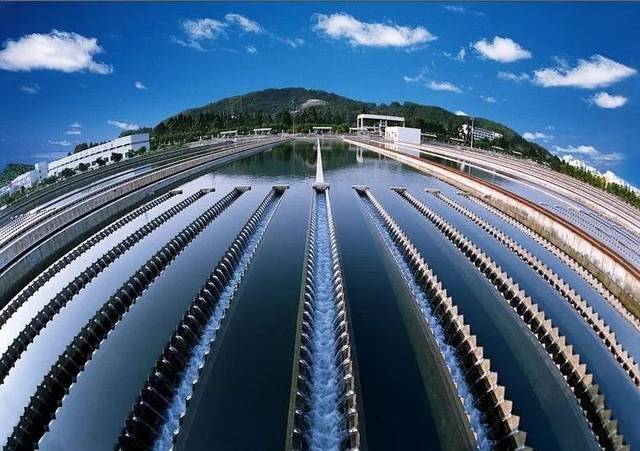
Second, the monitoring scenarios must be "fully covered". Omitting the secondary water supply means it is unqualified. The new standard clearly stipulates that for secondary water supply, such as the water tanks in residential communities, the residual chlorine needs to be monitored separately, and the standard is the same as that for terminal water, which should be ≥0.05mg/L. However, the old systems of most water plants do not cover the monitoring of secondary water supply. This means that even if the water leaving the plant is qualified, if no new monitoring points are added, it still does not meet the requirements of the new standard.

If You Don't Adjust These 3 Points on the Online Residual Chlorine Detector, Qualified Residual Chlorine Values are in Vain

1. Not Adjusting the Accuracy: "False Qualified" Data is Not Recognized by Environmental Protection
The old standard allowed an error of ±0.1mg/L, while the new standard has reduced it to ±0.05mg/L. If the instrument is not calibrated, for example, when the actual residual chlorine is 0.04mg/L, which does not meet the standard, but the instrument shows 0.07mg/L, seemingly meeting the standard, it actually violates the new standard. The environmental protection department will judge the water quality as unqualified on the grounds of "inaccurate data" and require rectification within a time limit, which will also affect the renewal of the water supply license.
2. Not Adjusting the Data Transmission: Incomplete Records Void the Compliance
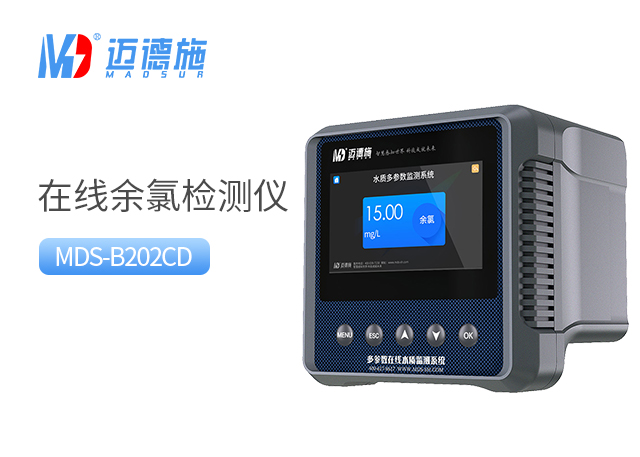
The new standard requires that the residual chlorine data must be "real - time, continuous, and traceable". There should be one record every 15 minutes, and it should be uploaded to the regulatory platform. Once, a certain water plant still recorded once an hour according to the old standard. Although the residual chlorine was qualified, due to "insufficient data frequency", it was required to conduct re - monitoring for a month, wasting a large amount of labor costs. This shows that data transmission is a "hard threshold" for compliance with the new standard, not an "additional item".
3. Not Adjusting the Alarm Logic: It's Too Late to Deal with it after Exceeding the Standard
Under the old standard, most water plants only alarmed when the residual chlorine was <0.05mg/L, that is, after exceeding the standard. However, by the time chlorine was added, it would take 3 - 4 hours, and the terminal water might already be unqualified. Under the new standard, the real - time demand for domestic water is high. If you wait until it exceeds the standard to deal with it, it is easy to cause complaints from residents. For example, a water plant did not adjust the alarm value and only dealt with it 2 hours after the residual chlorine exceeded the standard, resulting in water supply interruption for chlorine addition in 3 residential communities and a significant increase in the number of resident complaints.
Three "Key Adjustments" to the Online Residual Chlorine Detector to Ensure Qualification and Effectiveness under the New Standard
1. Adjust the Accuracy Calibration
Use the standard solution of the new standard to control the error within 0.05mg/L. Specifically, first purchase the residual chlorine standard solution that meets GB/T 5750.11 - 2022. Never use the reagents of the old standard. Before calibration, clean the electrode to remove the attached scale and organic matter to prevent affecting the accuracy. After calibration, conduct an "actual water sample comparison". Measure the same water sample with the laboratory method to ensure that the error between the online detector data and the laboratory data is ≤0.05mg/L. The manufacturer of Digital residual chlorine sensor recommends calibrating once every half - month. In high - temperature weather (>30℃), calibrate once a week to prevent electrode drift.
2. Adjust the Data System Upgrade
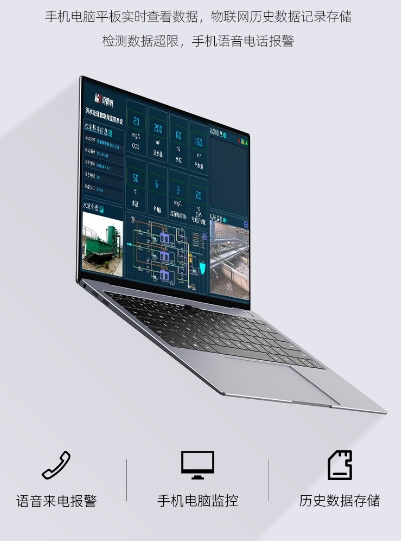
Meet the requirements of "one record every 15 minutes + real - time upload". In terms of hardware, if the online detector does not support high - frequency recording, a data acquisition module needs to be installed. Most manufacturers can provide compatible modules, and the cost is about 2000 yuan. In terms of software, update the instrument firmware and set "automatically store every 15 minutes" and "automatically cache when the network is disconnected" to avoid data loss. At the same time, contact the local water affairs department to obtain the parameters of the data upload interface and complete the platform docking. After the upgrade of a certain water plant, the data passing rate increased from 70% to 100%, eliminating the need for manual data supplementation.
3. Adjust and Optimize the Alarm Logic
Set up scenario - based alarms to provide early warnings and leave enough time for disposal. The details are as follows:
| Monitoring Point | Early Warning Value (mg/L) | Alarm Value (mg/L) | Recommended Disposal Action |
| ---- | ---- | ---- | ---- |
| Water leaving the plant | 0.35 | 0.3 | Increase the chlorine dosing amount of the chlorinator |
| Terminal water in the pipeline network | 0.04 | 0.03 | Open the chlorine supplement point in the pipeline network |
| Secondary water supply tank | 0.04 | 0.03 | Clean the water tank + supplement disinfection |
The early warning value is 0.01mg/L higher than the lower limit of the new standard, which can provide 1 - 2 hours for disposal and avoid exceeding the standard.
Effect Verification" after Adjustment: Two Steps to Confirm Qualification and Effectiveness
After the adjustment is completed, the effect needs to be verified.
The first step is to conduct a "full - scenario data test". Continuously monitor the water leaving the plant, terminal water, and secondary water supply for 24 hours to ensure that the data error is ≤0.05mg/L and the records are complete without omission.
The second step is to apply for a "pre - acceptance by environmental protection". Invite the local environmental protection department to conduct a small - scale spot - check to discover problems in advance and avoid rectification during the formal inspection.
In conclusion, under the new standard, waterworks must attach great importance to the adjustment of the online residual chlorine detector. Only in this way can they truly ensure the qualified water quality and avoid compliance risks. If you encounter problems in water quality monitoring, please feel free to consult Maideshi, a chlorine sensor Manufacturer!
Previous: Don't Ignore the "Invisible Harm" of Residual Chlorine! These Types of Enterprises Should Equip with Online Automatic Residual Chlorine Detectors
Next: The "Rapid Surge" of the Online Residual Chlorine Water Quality Automatic Monitoring Instrument Market in 2025: Which Industries Are Snatching Them? And How Much Potential Is There?

 TEL
TEL