Frequent Secondary Pollution in Water Supply Networks of Water Treatment Plants? Slow Response of Online Residual Chlorine Automatic Monitoring Devices! Increase Calibration Frequency During Peak Water Usage!
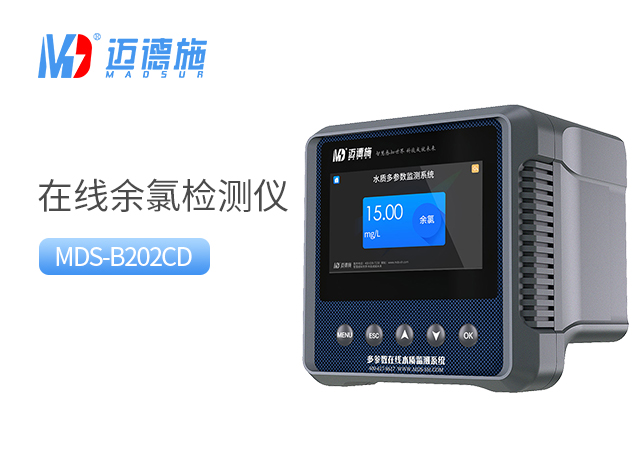
In the urban water supply system, ensuring the quality of tap water is of utmost importance. As a crucial device for monitoring water quality, the rationality of the calibration frequency of the online residual chlorine automatic monitoring device is directly related to the safe supply of tap water. However, some water treatment plants are troubled by secondary pollution in the water supply network due to calibration frequency issues. Next, Madeishi, a chlorine sensor manufacturer, will explain it in detail for you!
Customer Pain Points: Hidden Water Quality Risks Caused by Calibration Delays
During the peak water usage periods in the morning and evening in urban water treatment plants, the flow velocity in the water supply network increases sharply. This sudden increase in flow velocity leads to a rapid consumption of residual chlorine. As residual chlorine reacts with impurities and microorganisms in the water more quickly during the rapid flow of water, the residual chlorine content decreases rapidly.
However, many water treatment plants still calibrate the online residual chlorine water quality monitoring device at a regular frequency of once every five days. This calibration method causes a delay in the instrument's detection and fails to capture the attenuation of residual chlorine in a timely manner. In some parts of the network end, the residual chlorine content is even lower than 0.05mg/L. An excessively low residual chlorine content means that microorganisms and bacteria in the water cannot be effectively inhibited, thus increasing the risk of secondary pollution.
Statistics show that water treatment plants receive 3 - 4 complaints from users about water quality every month. These complaints not only affect user satisfaction but also have a negative impact on the image of the water treatment plants. Moreover, to deal with secondary pollution problems, water treatment plants need to invest more manpower and material resources in network maintenance, increasing operating costs.
Scenario - Adapted Calibration Frequency: Precise Early Warning with Pre - peak Calibration
For the special scenario of peak water usage, the calibration frequency of the online residual chlorine automatic sensor needs to be increased. Specifically, an additional calibration should be carried out one hour before the daily peak water usage. It's like installing a "peak water usage early warning device" on the instrument, which can correct the detection deviation caused by residual chlorine attenuation in advance.
Calibrating before the peak water usage period allows the instrument to more accurately reflect the actual residual chlorine content in the water supply network. In this way, water treatment plants can adjust the residual chlorine dosage in a timely manner based on the calibrated detection results, ensuring that the residual chlorine content in the network always remains within the safe range during the peak water usage period.
Post - adjustment Effects: Improved Water Quality and Reduced Costs
After adjusting the calibration frequency, the compliance rate of residual chlorine at the network end has increased significantly to 99.9%. This means that the vast majority of users can use tap water that meets safety standards, and the risk of secondary pollution has been effectively controlled. The complaint rate for secondary pollution has also dropped to zero, and user satisfaction with tap water has increased significantly.
At the same time, since the water quality in the network has been effectively guaranteed, the network maintenance work due to secondary pollution has been reduced, and the network maintenance cost has been reduced by 30%. This is a considerable saving for water treatment plants.
Peak Calibration is a Key Measure
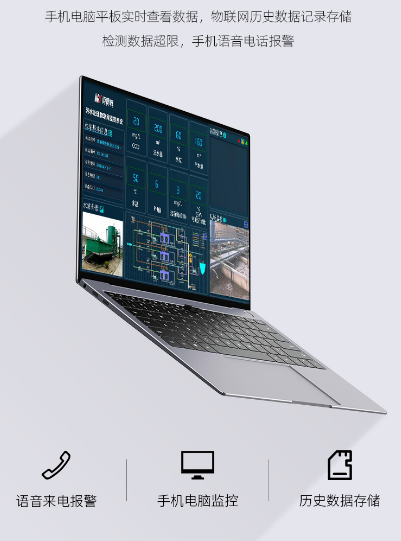
Through this case, it is clear that for water treatment plants facing peak water usage, the method of "increasing calibration frequency before peak water usage" for the online residual chlorine water quality monitoring device is more necessary than "regular interval calibration". It is the key to preventing secondary pollution in the water supply network. For other water treatment plants, this is an experience worth learning from. Welcome to consult Madeishi, a professional chlorine sensor manufacturer, at any time. Adjust the calibration frequency of the monitoring device reasonably to provide safer and more reliable tap water supply for urban residents.
In conclusion, Digital residual chlorine sensors and online residual chlorine detectors play a vital role in the water supply system. By optimizing the calibration frequency, water treatment plants can better utilize these devices to ensure water quality and reduce costs. If you are looking for high - quality residual chlorine detection equipment, our company, as a leading chlorine sensor manufacturer, can provide you with the most suitable solutions.
Previous: Dairy Workshop Fined for Sub - standard Environmental Disinfection! Is the Online Residual Chlorine Analyzer Inaccurate? Calibrate Frequently in High - frequency Disinfection Scenarios!
Next: Is Your Online Residual Chlorine Detector "Frozen" in Winter? A Medical Wastewater Treatment Plant Restores Compliance by Calibrating One Parameter!

 TEL
TEL