From Preventing Rinse Residues to Compliant Records: 4 Customized Functions of Online Free Chlorine Automatic Sensors for Disinfection Scenarios!
In the tableware disinfection industry, free chlorine concentration is the core indicator determining disinfection efficacy — it must not exceed standards and leave residues that irritate the human body, nor be insufficient and result in substandard disinfection. However, the complex working conditions of the rinsing section, such as large water temperature fluctuations, high detergent residues, and strong water vapor corrosion, often cause general-purpose online free chlorine sensors to malfunction. Customized equipment is like a tailor-made compliant disinfection steward for disinfection workshops: it can resist multiple interferences to ensure detection accuracy, link with production processes, and retain records, comprehensively fortifying the defense lines for disinfection compliance and regulatory adherence. Below, as a professional free chlorine water quality analyzer manufacturer, MedSci explains this in detail for you!

Industry Pain Point: General-Purpose Equipment Fails to Adapt to the "Complex Working Conditions" of Disinfection Sections
Many tableware disinfection enterprises have fallen into double pitfalls of non-compliance and safety due to general-purpose equipment. The person in charge of a large tableware disinfection factory admitted: "The general-purpose free chlorine sensor we used before would become inaccurate as soon as it encountered high-temperature water and detergent residues in the rinsing section, leading to large deviations in free chlorine detection data. We were once interviewed and ordered to rectify by health authorities due to excessive free chlorine residues on tableware, recalling nearly 10,000 sets of tableware that had already left the factory, resulting in direct losses of over 50,000 yuan. What’s more troublesome is that the equipment could not link with rinsing devices, so we could only adjust water volume manually based on experience — either residues exceeded standards, or over-rinsing wasted water resources."
To make matters worse, health authorities require complete disinfection records to be kept for inspection. General-purpose equipment has limited data storage capacity and cannot record data by batch, so records can only be handwritten manually. This is not only tedious and error-prone but also makes it difficult to respond to unannounced inspections. In addition, the workshop has high water vapor and corrosive detergents, and general-purpose equipment lacks adequate protection — probes and main units are easily damaged and need to be replaced in less than six months, keeping maintenance costs stubbornly high. Enterprises are thus trapped in a dilemma of "inaccurate detection, weak linkage, compliance difficulties, and easy damage".
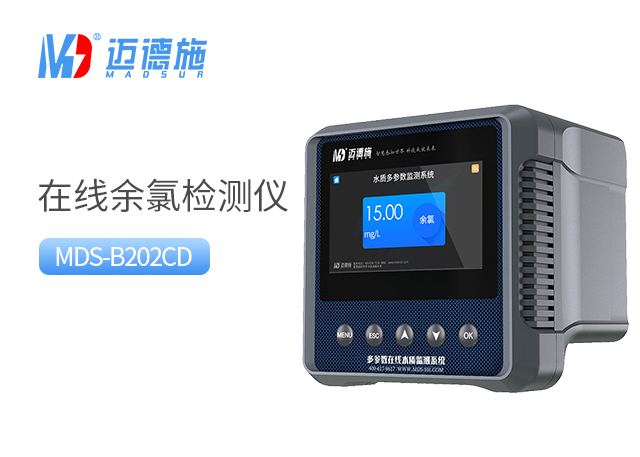
Core Customized Functions: Four Exclusive Designs to Solve Disinfection Problems
1. Temperature Drift Compensation Customization – Equipped with an "Intelligent Temperature Sensing Calibrator"
Addressing the problems of water temperature fluctuations and detergent interference in the rinsing section, the automatic free chlorine water quality detector expands the temperature compensation range to 0℃~80℃ and is equipped with an intelligent temperature drift algorithm, which can automatically calibrate the impact of water temperature changes and detergent residues on free chlorine detection. It’s like installing an "intelligent temperature sensing calibrator" for the equipment: whether the water temperature is for low-temperature rinsing or high-temperature disinfection, it can stably output accurate free chlorine data, fundamentally avoiding excessive residues or insufficient disinfection caused by detection deviations.
2. Rinsing Linkage Customization – Built-in with an "Intelligent Rinsing Controller"
The equipment reserves a general linkage interface and can be customized to link with rinsing devices, acting as an "intelligent rinsing controller". Based on real-time detected free chlorine concentration, it automatically adjusts rinsing water volume and temperature: when free chlorine exceeds standards, it increases water volume and extends rinsing time; when concentration meets standards, it stops in a timely manner. This not only ensures that free chlorine on tableware meets standards after rinsing but also avoids waste of water resources and energy, optimizing the efficiency of the rinsing process.
3. Compliance Record Customization – Equipped with an "Exclusive Compliance Recorder"

Aligned with the compliance requirements of health authorities, the equipment supports manual entry of disinfection batches, automatically stores key information such as free chlorine concentration data, disinfection duration, and water temperature for each batch, and can generate standardized compliance reports with one click. It’s like having an "exclusive compliance recorder": no manual handwritten ledgers are needed, data is fully traceable and tamper-proof throughout the process, making it easy to respond to unannounced inspections by health authorities and avoid the risks of rectification and penalties.
4. Anti-Corrosion and Moisture-Proof Customization – Wearing an "Anti-Corrosion Raincoat"
Targeting the high water vapor and strong corrosion environment of the workshop, the probe is made of corrosion-resistant titanium alloy, and the main unit is equipped with an IP67 waterproof and anti-corrosion shell, which can effectively resist water vapor erosion and detergent corrosion. It’s like putting an "anti-corrosion raincoat" on the equipment: it can operate stably in a humid and corrosive environment for a long time, and the service life of the equipment is extended to more than twice that of ordinary equipment, significantly reducing equipment replacement and maintenance costs.
Customization Value: Stabilize Disinfection, Uphold Compliance, and Reduce Costs
The four customized functions precisely adapt to the core needs of the tableware disinfection rinsing section, including temperature changes, multiple interferences, high corrosion, and strict compliance. They not only solve the adaptation problems of general-purpose equipment but also ensure the accuracy of free chlorine detection and disinfection efficacy. Through process linkage optimization, residual risks and resource waste are reduced; the compliance record function avoids rectification risks; at the same time, equipment life is extended and maintenance costs are lowered, helping disinfection enterprises achieve standardized and efficient operations.
Practical Application: Unlock Intelligent and Compliant Control of the Disinfection Section
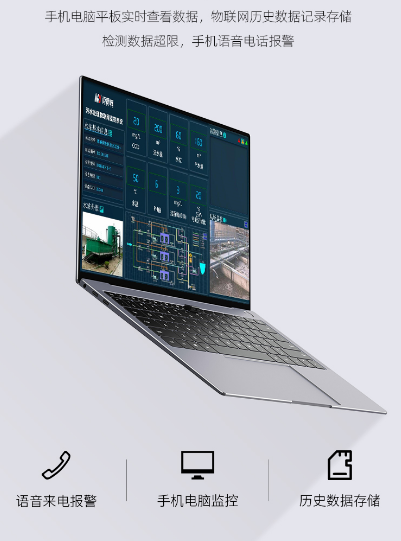
Deploy this customized equipment in the tableware disinfection rinsing tank, and it can monitor free chlorine concentration in real time 24/7. The intelligent temperature drift compensation function offsets the interference of water temperature and detergents to ensure accurate data. The equipment automatically links with rinsing devices to adjust water volume according to free chlorine concentration, ensuring that tableware meets free chlorine standards with no residues after rinsing. At the same time, it automatically records disinfection data for each batch, stores data in real time and generates compliance reports. Even in the face of unannounced inspections by health authorities, complete traceability data can be quickly provided, realizing integrated control of disinfection through "precise monitoring + intelligent linkage + compliant archiving".
If you are not satisfied with conventional water quality monitors on the market, feel free to leave a message to MedSci, your reliable free chlorine water quality sensor manufacturer, to obtain a customized new solution!
Previous: Delayed Data Fuels Bacterial Growth in Bottled Water? How Do Online Free Chlorine Automatic Detectors Safeguard Drinking Water Quality?
Next: Upholding the Aseptic Safety Bottom Line: In-Depth Analysis of Customized Online Free Chlorine Automatic Monitor Solutions for the Medical Industry!

 TEL
TEL