Is the Data of Online Residual Chlorine Detector "Dancing"? Is the Chlorine Pump the "Pusher"? Manufacturer's Suggestion: Optimize in Linkage to Stabilize the Value and Reduce Chemical Consumption
In the daily operation of water treatment plants, equipment such as online water quality automatic analyzers and online water quality sensor instruments are supposed to be reliable assistants in ensuring water quality safety. However, many water treatment plants have encountered a rather headache - inducing situation. When the chlorine pump is started, the value in the online residual chlorine automatic water quality detector soars like a rocket; when the chlorine pump stops, the value drops rapidly like a free - falling object. The data fluctuates wildly without any pattern, just like "dancing".
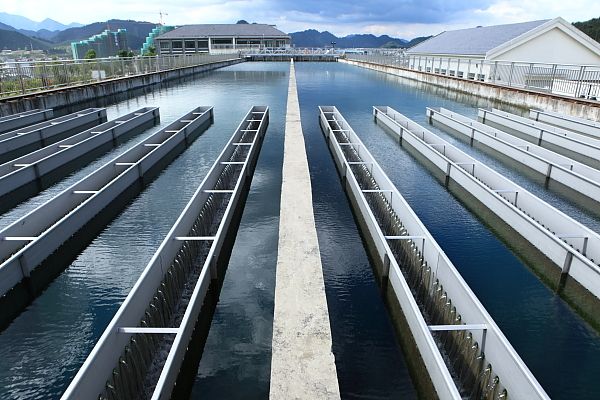
The staff in the central control room can't adjust the chemical dosage based on such erratic data. To control the residual chlorine content, they can only keep increasing the chemical input. But the result is that more and more chemicals are added, yet the residual chlorine content still can't be well - controlled. This not only causes a waste of chemicals but also increases the operating cost of the water treatment plant.
The Root Cause of the Data "Dancing"
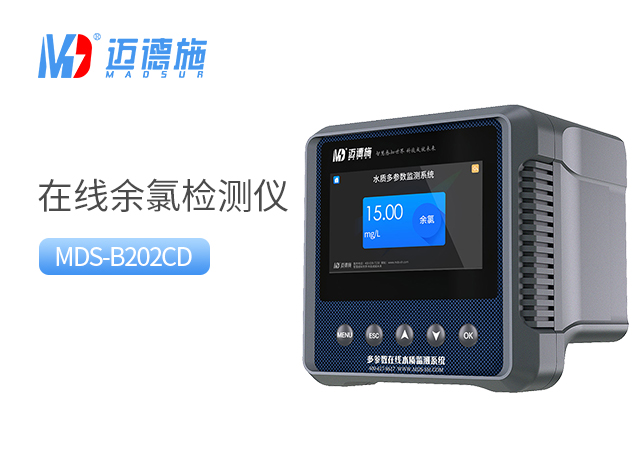
So, why does the data of the online residual chlorine detector fluctuate so violently? It all boils down to the working mode of the chlorine pump. The chlorine pump starts and stops intermittently, resulting in a non - continuous and unstable amount of chlorine being added to the water. When the chlorine pump starts, a large amount of chlorine instantly enters the water, causing the residual chlorine concentration to rise rapidly; when the chlorine pump stops, the chlorine in the water no longer increases, and the residual chlorine concentration gradually decreases.
The residual chlorine sensor is like a "faithful recorder", which "truthfully" captures these instantaneous fluctuations. It's like "directly measuring the ups and downs of a roller - coaster track". The sensor detects the pulsed changes in the residual chlorine concentration, so the displayed data is naturally unstable. Relevant research shows that when the chlorine pump starts and stops intermittently, the fluctuation range of the residual chlorine concentration can reach 2 - 3 times that in the normal stable state.
A Feasible Solution
In response to this problem, Maideshi, a chlorine sensor Manufacturer, has proposed a feasible solution, with the core being "linkage + smoothing".
1. Enable Signal Interconnection between the Sensor and the Chlorine Pump
In this way, the sensor can predict the start - stop actions of the chlorine pump in advance. When the chlorine pump is about to start, the sensor can get prepared in advance to more accurately handle the upcoming changes in the residual chlorine concentration. It's like two dancers with excellent teamwork, where one can anticipate the other's actions and respond accordingly.
2. Activate the Data Averaging Function
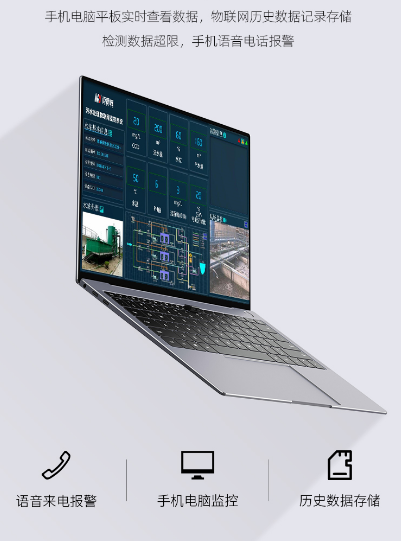
This function acts like a "filter", which can filter out the instantaneous fluctuations of the residual chlorine concentration. It calculates the average of the detection data over a period of time to obtain a relatively stable value. In this way, the staff in the central control room will see a smooth data curve, which is more convenient for adjusting the chemical dosage based on the data.
3. Calibrate the Response Parameters of the Sensor
By adjusting parameters such as the sensitivity and response time of the sensor, it can more accurately reflect the real changes in the residual chlorine concentration and avoid overly sensitive detection of instantaneous fluctuations.
The Value of the Solution
After a water treatment plant adopted this linkage optimization solution, the results were remarkable. The chemical consumption was reduced by 15%, which is a real cost - saving. Precise control of residual chlorine not only avoids the waste of chemicals but also ensures that the residual chlorine in the effluent meets the standards.
The previous situation of blindly increasing the chemical dosage due to unstable data is gone. Now, the water treatment plant can reasonably regulate the chlorine dosage based on stable and accurate data, which not only reduces the cost of water quality control but also improves the stability of water quality. This not only guarantees the safety of residents' water use but also enhances the economic benefits and operating efficiency of the water treatment plant. Therefore, for those water treatment plants troubled by the data fluctuation problem of online residual chlorine detectors, they are welcome to consult Maideshi, a professional manufacturer of Digital residual chlorine sensor and online residual chlorine detector, and try this linkage optimization solution.

As a trusted chlorine sensor Manufacturer, Maideshi is committed to providing high - quality water quality monitoring solutions. If you are facing similar problems in your water treatment plant, don't hesitate to reach out and let us help you achieve better water quality control and cost - effective operations.
Previous: Is Your Water Treatment Plant Most Worried about "Lack of Chlorine at the End"? Don't Let the Membrane of Your Online Residual Chlorine Analyzer "Crack and Fail". The Manufacturer Ensures Stable Water Quality at the End with One-step Moisturization!
Next: Poor Accuracy in Residual Chlorine Monitoring at a Water Plant! Manufacturer Reminds: Online Water Quality Sensors Should Be Installed in Shady Places!

 TEL
TEL