Poor Accuracy in Residual Chlorine Monitoring at a Water Plant! Manufacturer Reminds: Online Water Quality Sensors Should Be Installed in Shady Places!
In a certain tap - water plant, every autumn, the staff members fall into a state of anxiety. They've noticed that after each exposure to strong sunlight, the residual chlorine data shown by the online water quality sensors drops sharply. To ensure water quality safety, the staff repeatedly adjusted the dosage of residual chlorine, but the data remained unstable. This really troubled the plant's management. With inaccurate residual chlorine data, they couldn't determine whether the disinfection effect of the water met the standards. After a thorough investigation, it was found that the root cause of the problem was that the online automatic residual chlorine water quality sensors were installed in an open - air area directly exposed to strong sunlight.
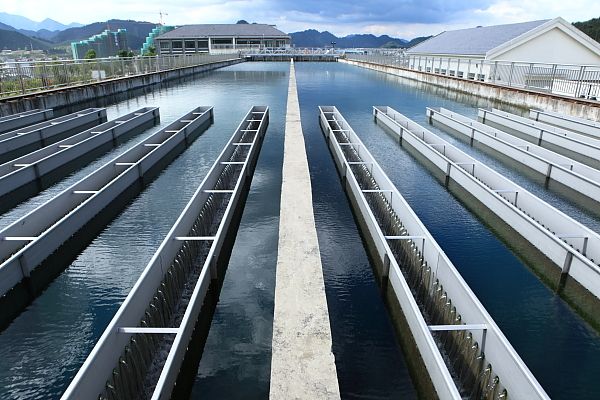
Problem Diagnosis: Strong Light Accelerates Residual Chlorine Decomposition
Let's review the previous mistakes. The open - air pipelines in the water plant had no light - blocking measures, and the sensors were directly exposed to strong light. Residual chlorine is an unstable substance, and strong light accelerates its decomposition. When the sensors detect in such an environment, the detected residual chlorine content has been greatly reduced due to the decomposition caused by strong light, resulting in very large data fluctuations. This makes it impossible for the staff to accurately control the disinfection effect and they don't know exactly how much residual chlorine should be added to ensure water quality safety. This situation not only affects water quality but also increases operating costs, as the staff often over - add residual chlorine for safety reasons.

Optimization Process: Move to a Shady Place and Install Sunshades
After finding the root cause of the problem, the water plant decided to take corrective measures. First, they moved the sensors to the shady area of the pump room, where there is no direct strong sunlight, and the decomposition rate of residual chlorine is greatly reduced. For some open - air locations that cannot be moved, the staff installed sunshades for the sensors. In this way, the residual chlorine monitor sensors are prevented from being directly exposed to strong light. In principle, blocking light can reduce the contact between residual chlorine and light, thus avoiding the premature decomposition of residual chlorine. Just as we can keep fruits fresh longer by putting them in a shady place, residual chlorine can also maintain a relatively stable state in a light - blocked environment, so that the data detected by the sensors can more accurately reflect the real content of residual chlorine in the water.
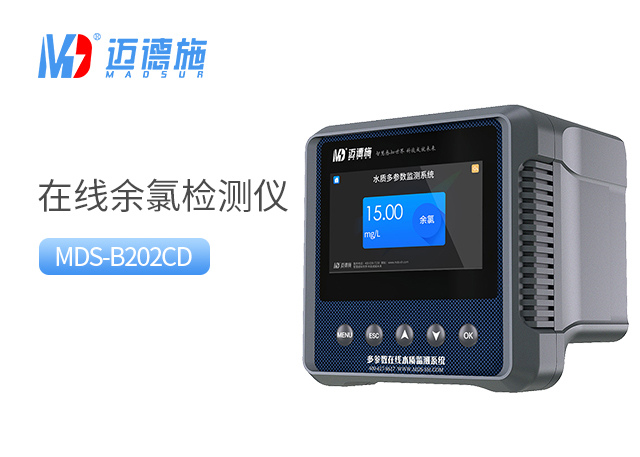
Result Display: Improved Stability and Reduced Costs
The effect after optimization is obvious. After a period of observation, it was found that the stability of residual chlorine detection increased by 60%. Previously, the data fluctuated greatly like a roller - coaster, but now it has become much more stable. Moreover, the chlorine dosage has returned to a reasonable range. The staff no longer need to blindly increase the dosage to ensure water quality, which not only guarantees water quality safety but also reduces costs. According to statistics, the monthly chlorine consumption of the water plant has decreased by 20% after optimization, which is a significant expense. These tangible benefits fully prove the value of installing the sensors in a shady place.

General Advice: Environmental Control Is the Premise for Accurate Operation
This case is not only applicable to this one tap - water plant. The principle of light - blocking installation it reflects is applicable to all types of tap - water plants. For online residual chlorine water quality sensors to operate accurately, environmental control is a very important premise. The management of tap - water plants should pay attention to the installation location of sensors and avoid installing them in areas directly exposed to strong sunlight. Only in this way can the data detected by the sensors be accurate and reliable, so as to better ensure water quality safety and reduce operating costs. If you are not sure whether the installation location of the water quality monitor is appropriate, please feel free to consult Maideshi, a chlorine sensor Manufacturer!
Digital residual chlorine sensors and online residual chlorine detectors play a crucial role in water quality monitoring. By following the correct installation methods, their performance can be fully exerted, and more accurate data can be provided for water plants. Make sure to choose a reliable chlorine sensor Manufacturer to ensure the quality and accuracy of your sensors.
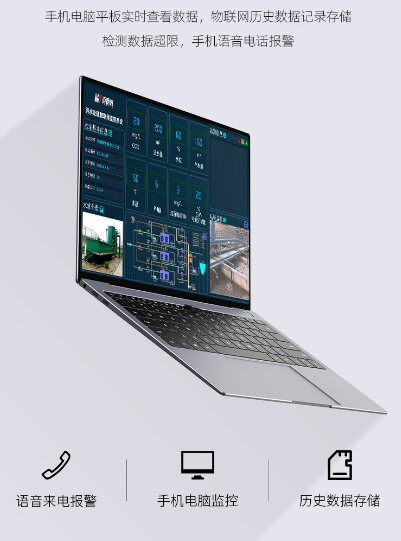
In conclusion, proper installation and environmental control of digital residual chlorine sensors and online residual chlorine detectors are essential for accurate water quality monitoring. By learning from the experience of this water plant, all water plants can improve their monitoring accuracy, ensure water quality safety, and reduce costs. If you have any further questions about residual chlorine sensors, don't hesitate to contact a professional chlorine sensor Manufacturer.
Previous: Is the Data of Online Residual Chlorine Detector "Dancing"? Is the Chlorine Pump the "Pusher"? Manufacturer's Suggestion: Optimize in Linkage to Stabilize the Value and Reduce Chemical Consumption
Next: Are You Worried About Sensor Contamination During the National Day Holiday? The "Nitrogen Purging" Method of Smart Pet Drinking Water Equipment Factories Ensures the Accuracy of Residual Chlorine Detection

 TEL
TEL