Is the Data of Water for Cell Therapy Always Drifting? Choose the "Organic-Resistant Model" of Online Residual Chlorine Sensor with a Deviation of No More Than 0.001mg/L in 30 Days
In the process of preparing water for cell therapy, to avoid cell stress, staff usually add a small amount of nutrients such as amino acids and vitamins. However, these organic substances have become the "number one enemy" of online residual chlorine sensors. They are particularly prone to attaching to the electrode surface of the sensor, gradually forming a "passivation film". Now, let the chlorine sensor manufacturer explain it in detail for you!
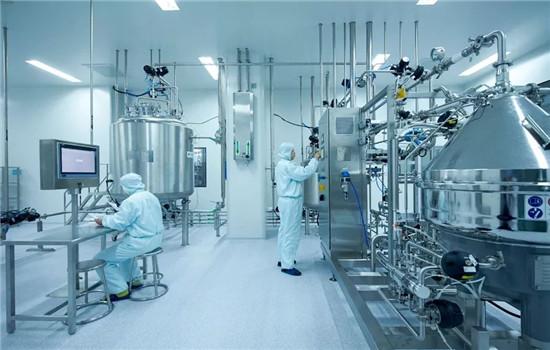
This passivation film is like a wall, hindering the normal electrochemical reaction between residual chlorine and the electrode. As a result, the sensor data starts to drift continuously. For example, if the actual residual chlorine content is 0.006mg/L, the data displayed by the sensor will gradually drop from 0.006mg/L to 0.003mg/L.
If one adjusts the dechlorination system based on these drifting data, it is easy to cause "hidden excessive residual chlorine". Once, a laboratory encountered such a problem, which led to a 20% decrease in the proliferation rate of a batch of CAR - T cells. The cells failed to meet the clinical use standards, resulting in a direct loss of up to $80,000. Moreover, to ensure the accuracy of the sensor, the staff had to disassemble and clean the electrode frequently, once every 3 days. However, this would damage the electrode coating, shorten the service life of the electrode, and increase the replacement cost.
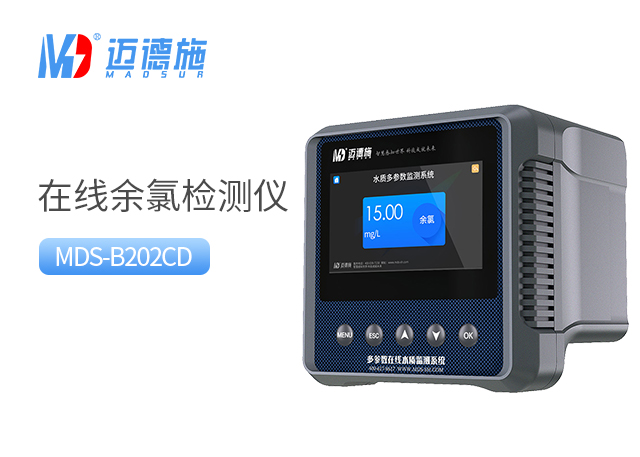
The Key to Breaking the Deadlock: Highlight the Core Advantages of "Resistant to Organic Pollution + Self - Cleaning"
However, there is now an adaptable online automatic residual chlorine sensor that can effectively solve these problems. Its electrode uses an "IrO₂ - Ta₂O₅ composite coating". The ability of this coating to resist organic attachment is 3 times higher than that of ordinary electrodes, which can reduce the formation of passivation film by 90%.
This sensor is also equipped with an "in - situ micro - electrolysis cleaning" function. It automatically starts a 1 - minute micro - electrolysis once a day, decomposing the organic substances attached to the electrode surface through a weak current, eliminating the need for manual disassembly and cleaning. In addition, its detection circuit is equipped with an "anti - interference algorithm" that can filter out the stray current signals generated by organic substances. In water samples with an organic matter concentration ≤5mg/L, the data drift amplitude is ≤0.001mg/L/30 days, far superior to ordinary sensors.
Selection Points: Provide the "Pollution - Resistant Adaptation" Standard
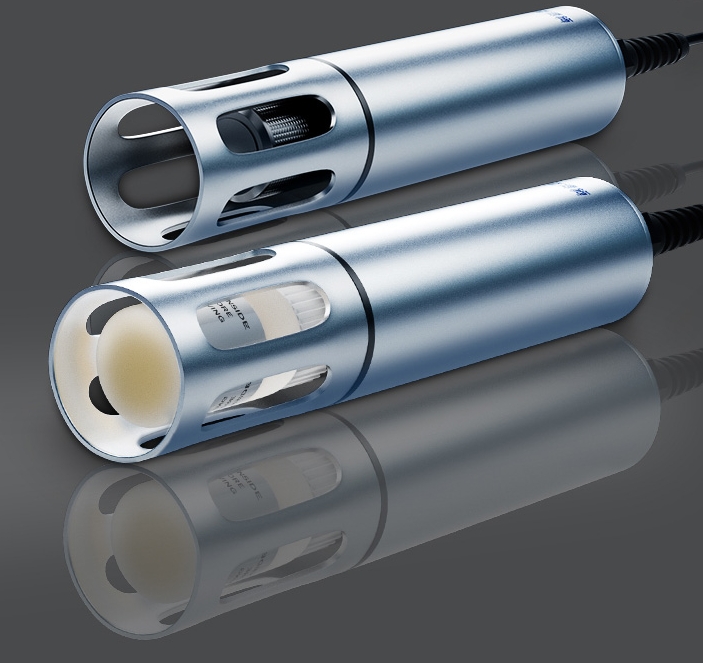
When choosing a residual chlorine sensor for water in cell therapy, there are some standards that need to be focused on.
1. Give priority to sensors with electrodes having an anti - organic coating, supporting in - situ self - cleaning, and capable of detecting dual parameters of "residual chlorine + organic matter interference degree".
2. Confirm that the sensor complies with YY/T 1244 - 2014 "Medical Extracorporeal Circulation Equipment - Residual Chlorine Detection Method". Only sensors that meet this standard can have their detected data used for the quality traceability of clinical water and smoothly pass regulatory inspections.
Effect Verification
After a cell therapy laboratory started using this organic - resistant sensor, the effect was immediate. The data drift amplitude of residual chlorine decreased from 0.003mg/L/30 days to 0.001mg/L/30 days, significantly improving data stability.
The frequency of electrode disassembly and cleaning decreased from once every 3 days to once every 30 days. The service life of the electrode was extended from 3 months to 9 months, and the replacement cost was reduced by 67%. Within 6 months, the compliance rate of residual chlorine in cell water increased from 92% to 99.8%. There were no more cell quality problems caused by data drift, with a cumulative loss recovery of $240,000. The laboratory also smoothly passed 2 GMP surprise inspections. Therefore, choosing a suitable residual chlorine sensor in an online water quality detector is crucial for ensuring the quality of water in cell therapy. If you are also troubled by maintaining a water quality monitor, feel free to consult the chlorine sensor Manufacturer, Madeishi!
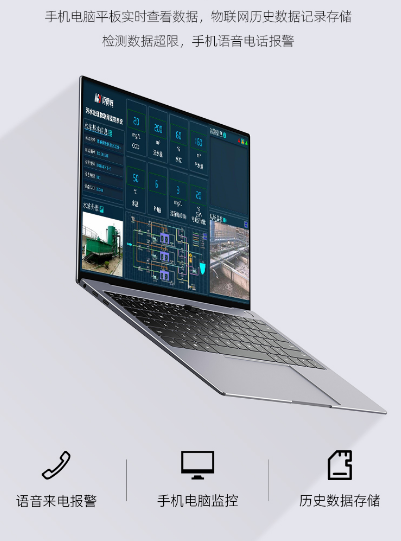
In conclusion, Digital residual chlorine sensors and online residual chlorine detectors play a vital role in the field of cell therapy water quality monitoring. By choosing the right sensor from a reliable chlorine sensor Manufacturer, you can effectively solve the problem of data drift caused by organic substances and ensure the quality and safety of water for cell therapy.
Previous: Synthetic Biology Laboratory Resumes Work after Long Holiday: Is the Online Residual Chlorine Sensor Reading "Too Low"? Synchronous Ammonia Nitrogen Measurement + Formula Correction to Find the True Value
Next: Are Water Treatment Plants Worried About Over - Chlorinating After Long Holidays? Online Residual Chlorine Sensors Linked with "Automatic Chlorination" Ensure Disinfection Effect in Pipe Networks!

 TEL
TEL