Labor-Saving Guide for Food Processing Plants: Online Automatic Residual Chlorine Water Quality Analyzer – Your "Hygiene Sentinel" for Reduced Labor & Guaranteed Quality!
For food processing factories, hygiene and safety are the lifeline to establishing a market presence, and the residual chlorine content in production water and disinfection water is the critical line defending food hygiene. In traditional food processing, manually monitoring residual chlorine levels is like "searching for disinfection traces in a clean environment" – cumbersome and prone to errors. Food processing has extremely strict disinfection requirements; residual chlorine is a highly efficient and safe disinfectant. Insufficient residual chlorine fails to completely eliminate bacteria and microorganisms, leading to food contamination and deterioration; excessive levels leave unpleasant odors, affecting food taste and even failing to meet food safety standards. To uphold the hygiene bottom line, food factories have to arrange dedicated staff to sample and test frequently. This not only requires significant manpower input but also often harbors hidden food quality risks due to detection errors and delays. Below, the **residual chlorine water quality monitor manufacturer** Medshy provides a detailed analysis and solutions!
 Three Major Pain Points of Food Processing Plants Make Hygiene Control "Labor-Intensive, Time-Consuming, and Risky"Whether it is fruit and vegetable processing, meat processing, or beverage and cooked food factories, all face three core pain points in residual chlorine monitoring. These not only increase the labor burden but also threaten food quality, plaguing operation and management teams. 1. Excessive Manpower Input & Persistently High CostsFood processing factories need to cover residual chlorine detection in multiple links such as raw material cleaning, equipment disinfection, and workshop cleaning, with high detection frequency. It often requires 2-3 full-time testing staff to travel to various production links for sampling and testing daily, engaging in repetitive work. Statistics show that this labor cost accounts for over 45% of water quality management costs. In the long run, it imposes a heavy economic burden on food factories and causes waste of human resources. 2. Data Errors Harm Quality & Difficult to Avoid RisksManual detection is prone to errors due to operation methods, environmental factors, and testing experience, like a "vague hygiene standard" that fails to accurately control residual chlorine levels. Inaccurate detection data may lead to substandard production water and equipment disinfection, breeding of bacteria and microorganisms, and subsequent food contamination and deterioration. This not only results in batch product scrapping but also risks failure in random quality inspections by market supervision departments, damaging brand reputation.3. Cumbersome Detection Reduces Efficiency & Hinders Production ProgressManual detection involves complex procedures from sampling and sample processing to obtaining test results, taking a long time and failing to feedback residual chlorine levels in a timely manner. If abnormal residual chlorine levels occur, production must be stopped to investigate each link. This not only increases manual investigation costs but also delays production progress, causing additional production losses. Food factories are trapped in the dilemma of "uncontrollable hygiene and inefficient production".Online Residual Chlorine Analyzer: Three Major Solutions to Act as a "Smart Hygiene Sentinel" for Food Factories

To address the hygiene management pain points of food processing factories, the emergence of online automatic residual chlorine water quality monitors acts as a "smart hygiene Sentinel" Each function accurately targets the pain points, with appropriate metaphors throughout the process. It not only saves labor and reduces costs but also accurately upholds hygiene standards, helping food factories improve quality and efficiency.1. Replace Manual Detection to Fully Liberate Manpower, Like a "Professional Hygiene Sentinel"The online residual chlorine analyzer can be directly deployed in key production links to monitor residual chlorine levels in real time 24/7. There is no need for dedicated staff to sample and test frequently; one device can meet the residual chlorine monitoring needs of the entire factory. It directly eliminates the labor costs of full-time testing staff, allowing the saved manpower to be invested in core links such as production and quality inspection, and realizing optimal allocation of human resources.2. Ensure Quality with High-Precision Detection, Like a "High-Definition Hygiene Ruler", Guarding the Bottom Line of Food SafetyThe device features high detection accuracy and stability, strictly complying with the residual chlorine detection standards of the food processing industry. It can accurately capture subtle changes in residual chlorine levels and precisely control the qualified range of residual chlorine in production water and disinfection water. This avoids food contamination caused by insufficient residual chlorine and prevents adverse effects on food taste due to excessive residual chlorine, effectively reducing the risk of quality random inspections and costs of product rework and scrapping, and safeguarding brand reputation.3. Improve Production Capacity with Efficient Detection, Like a "Quick-Response Alarm Light", Ensuring Smooth ProductionThe device feedbacks residual chlorine detection data in real time. Once abnormal residual chlorine levels occur, it will automatically alarm immediately. Staff can quickly investigate problems and adjust disinfection plans without stopping production to wait for test results, greatly reducing production shutdown losses. Meanwhile, the device automatically records and generates test reports, eliminating the cumbersome process of manual sorting and review, saving human effort, effectively improving production efficiency, and helping food factories achieve efficient and compliant production.
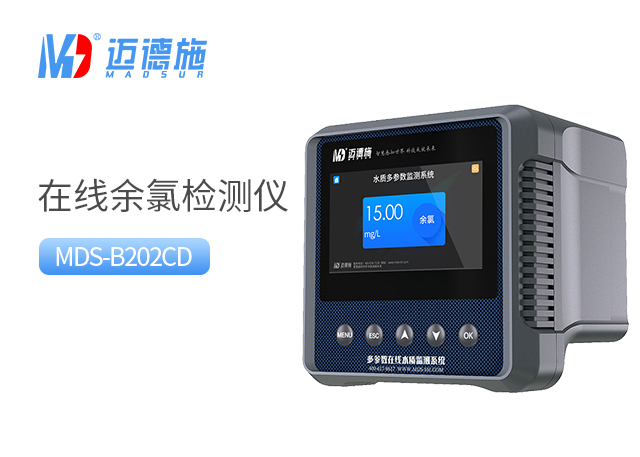
Intelligent Empowerment to Make Food Processing "Labor-Saving, Worry-Free, and Quality-Improving"Food processing no longer needs to "rely on manual supervision of disinfection and experience to ensure quality". The online automatic residual chlorine water quality analyzer breaks the limitations of traditional residual chlorine monitoring with intelligent technology and completely solves the labor and quality problems of food factories. It is not only a "professional hygiene Sentinel" sticking to the hygiene defense line 24/7 to protect the safety of every batch of food; but also a "good helper" for food factories to save labor and reduce costs, allowing operation and management teams to worry less and take fewer risks.
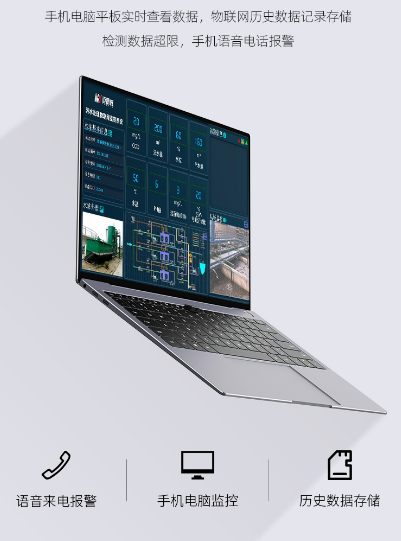
Welcome to consult the professional **residual chlorine water quality sensor manufacturer** Medshy at any time. We help food factories significantly reduce labor costs, improve production efficiency, accurately uphold hygiene standards, ensure that each batch of products meets food safety standards, not only win consumer recognition but also enhance market competitiveness, achieve multiple goals of "saving labor, reducing costs, ensuring quality, and improving production capacity", and promote the high-quality development of the food processing industry.
Previous: Labor-Saving Tips for Food Processing & Catering: Avoid Catering Hygiene Risks! Portable Automatic Residual Chlorine Water Quality Monitor Guards the "First Line of Defense" for Food Safety
Next: Portable Automatic Residual Chlorine Water Quality Monitor: Accurate Anytime, Anywhere to Safeguard Domestic Drinking Water Quality

 TEL
TEL