Manufacturer Reminds: Clean in Time! Chlorine Scale on Electrodes of Pharmaceutical Purified Water Can Make Even the Most Accurate Online Residual Chlorine Detector "Malfunction"!
In the biopharmaceutical industry, the quality of purified water is directly related to the quality and safety of drugs. The online residual chlorine detector, as an important device for monitoring the residual chlorine content in purified water, is supposed to be a reliable assistant in ensuring water quality compliance. However, once the maintenance of it is neglected, even the most accurate instrument may "fail". Now, let the manufacturer of Maideshi residual chlorine water quality analyzer explain it to you in detail!

Enterprise Pain Point: Neglecting Electrode Cleaning Leads to Drug Destruction
A biopharmaceutical enterprise has always relied on an online residual chlorine detector to control the quality of purified water. They thought that with this advanced instrument, they could produce drugs with peace of mind, completely ignoring the cleaning of the electrodes. After 15 days of use, a large amount of chlorine scale began to accumulate on the electrodes. It's like covering the "eyes" of the instrument with a thick layer of dust, causing serious deviations in the detection results. Due to the inaccurate detection data, the enterprise failed to detect the problem of excessive residual chlorine in the purified water in time. This excessive - residual - chlorine purified water was used in drug production, ultimately leading to drug contamination. Helplessly, the enterprise had to destroy all the contaminated batches of drugs, with a loss of up to $120,000 this time. This $120,000 loss is a painful price paid for the negligence of instrument maintenance.
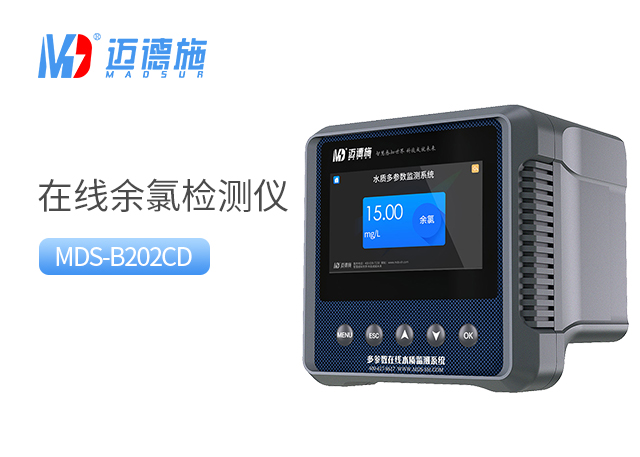
Critical Value for Cleaning: Chlorine Salt Scale Layer Affects Detection
When the online automatic residual chlorine sensor is used for monitoring pharmaceutical purified water, there is a critical value that must be taken seriously. If it is used continuously for more than 10 days, sodium hypochlorite residues will inevitably precipitate on the electrode surface, forming a "chlorine salt scale layer". This "chlorine salt scale layer" is like a wall, blocking the normal reaction between the electrode and residual chlorine. According to relevant experimental data, once the "chlorine salt scale layer" is formed, the residual chlorine detection result will deviate from the actual value by more than 30%. This means that the result detected by the instrument is far from the real residual chlorine content, and it cannot provide accurate water quality information for the enterprise at all.
Severe Impact: Serious Consequences of Data Malfunction
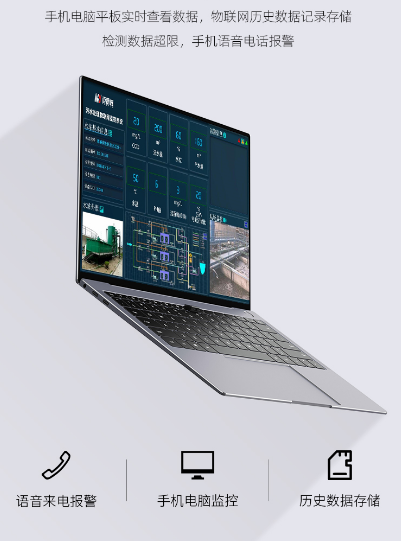
The impact of data malfunction is not just about economic losses. It's like a boulder thrown into a calm lake, which will trigger a series of serious consequences. First of all, it will cause huge economic losses, just like the enterprise mentioned above destroying the contaminated drugs. Secondly, it will violate the GMP certification requirements. GMP certification is an important specification in the pharmaceutical industry. Violating this requirement, the enterprise will face investigations by regulatory authorities, and its production qualification may also be restricted. Once the production qualification is restricted, the enterprise's production and operation will be greatly affected. In addition, it will also damage the enterprise's brand reputation. In today's highly competitive market, brand reputation is the lifeline of an enterprise. Once the brand reputation is damaged, the enterprise's cooperation trust in the market will be greatly reduced, and it will lose many cooperation opportunities.
Key Maintenance Action: Regularly Clean Electrodes Every 10 Days
To avoid the above - mentioned problems, in the pharmaceutical scenario, a key maintenance action must be well - done, which is to clean the electrodes of the online residual chlorine detector every 10 days. When operating specifically, suitable tools should be used, such as special cleaning solutions and soft wiping cotton. The special cleaning solution can effectively dissolve the chlorine salt scale on the electrode surface, and the soft wiping cotton can completely remove the dissolved impurities, ensuring that the electrode surface is clean. Only in this way can the detection accuracy of the instrument be stable and meet the standards of the pharmaceutical industry.
Regular Cleaning Ensures Drug Safety
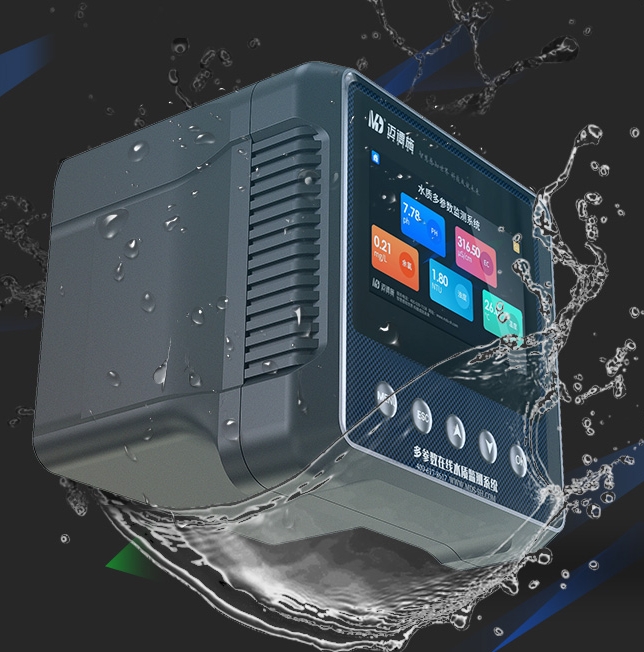
The core of residual chlorine detection in biopharmaceutical purified water is "absolute data accuracy". Although the online residual chlorine detector is accurate, it also needs to have its electrodes cleaned regularly every 10 days to meet the requirements of the pharmaceutical scenario. Only in this way can drug safety accidents and economic losses caused by "neglecting maintenance" be avoided. If you also want to accurately control water quality, welcome to consult Maideshi, a manufacturer of residual chlorine water quality sensors!
In conclusion, in the biopharmaceutical field, Digital residual chlorine sensors and online residual chlorine detectors play crucial roles. As a professional chlorine sensor Manufacturer, Maideshi emphasizes the importance of proper maintenance to ensure the accurate operation of these devices and the safety of drug production. By following the recommended maintenance procedures, enterprises can avoid unnecessary losses and maintain high - quality production.
Previous: Online Residual Chlorine Water Quality Automatic Sensor: The "Safety Sentinel" for Secondary Water Supply, Preventing Bacterial Pollution in Water Tanks!
Next: Dairy Workshop Fined for Sub - standard Environmental Disinfection! Is the Online Residual Chlorine Analyzer Inaccurate? Calibrate Frequently in High - frequency Disinfection Scenarios!

 TEL
TEL