Say Goodbye to Heavy Traditional Devices for Community Direct Drinking Water Monitoring! Pocket-sized Portable Residual Chlorine Water Quality Monitor Greatly Reduces Workload
Efficiency Upgrade in Community Direct Drinking Water Monitoring: From Carrying Heavy Gear Climbing Stairs to Pocket-sized On-site Testing
As a professional residual chlorine water quality monitor manufacturer, Medshy deeply understands that dedicated inspectors for community direct drinking water focus on testing residual chlorine at water supply equipment across residential areas. Residual chlorine is the core indicator of disinfection effect and drinking water hygiene safety. It needs to be maintained within a proper range to kill bacteria effectively while avoiding poor taste caused by excessive residues.

In the past, traditional residual chlorine testing devices for community water monitoring were bulky and heavy, weighing about 6–8 kg, just like heavy backpacks. Inspectors had to carry them between buildings, and stair climbing was daily routine. This led to physical exhaustion, limited daily monitoring points, extremely low efficiency and heavy workload.
Now, the portable residual chlorine water quality monitor features full lightweight and miniaturized design, small enough to fit directly into a pocket for on-site service. It is not only an upgrade in device form, but also an inevitable trend of cost reduction and efficiency improvement in community drinking water operation and maintenance.
Lightweight Upgrade: Perfect Integration of Technological Innovation and Community Operation Demands
The lightweight design of the portable residual chlorine water quality monitor is not a blind appearance improvement, but the inevitable result of R&D breakthroughs matching actual community monitoring needs.
Core pain points of community direct drinking water monitoring are scattered testing points, frequent on-site visits and high efficiency requirements. Bulky traditional devices cannot bear limited elevator load and fail to work quickly in powerless environments, restricting monitoring progress greatly. Behind the miniaturization are core technological breakthroughs that optimize equipment size and solve two major challenges: frequent on-site inspections and instant testing, effectively easing the workload of frontline inspectors.
Core Technology: Three Powerful Advantages of "Compact yet High-performance"
The portable residual chlorine water quality tester achieves the perfect balance of ultra-light weight, high precision and long battery life, tailored for community on-site drinking water monitoring, supported by three key technological innovations:
1. Mini Residual Chlorine Sensor: 80% Smaller Size, Leading Industry Precision
As the core of lightweight upgrade, the mini residual chlorine sensor adopts integrated optical paths and micro electrodes, reducing volume by 80% compared with traditional sensors.Without sacrificing accuracy, it features a three-electrode structure with strong anti-interference ability. It accurately detects residual chlorine in direct drinking water with an error within ±0.05 mg/L, fully meeting the testing standards of GB/T 5750 Sanitary Standard for Drinking Water and ensuring reliable authentic data.
2. Low-power Integrated Chip: No External Power Needed, All-day Endurance
Many community monitoring points are inside residential buildings, and some old communities lack convenient power sockets. Traditional devices relying on external power limit working flexibility.Equipped with a low-power integrated chip and high-performance built-in lithium battery, the device supports monitoring for 30 community points on a single charge, covering the full-day working needs of inspectors and realizing true "power freedom".
3. Ultra-light Portable Design: Under 300g, Easy to Carry in Pocket
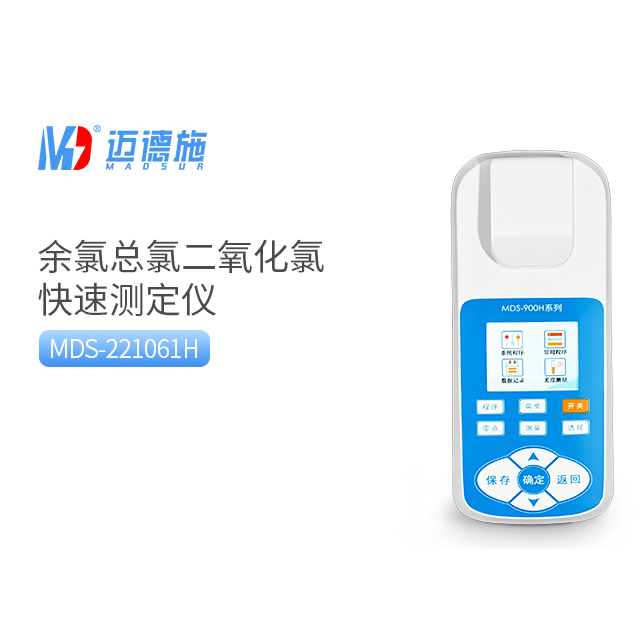
Designed for frequent stair climbing and flexible on-site work, the whole device weighs less than 300g, equal to a regular can of drink. It fits easily into work pockets or tool bags with no burden, completely replacing heavy traditional equipment and adapting to complex community environments with elevators and stairs.
Exclusive Convenience for Monitoring: Professional, Efficient and User-friendly for Community Scenarios
Solving three major troubles of traditional operation, the portable monitor brings practical benefits to frontline workers:
1. Eliminate Heavy Carrying and Time-consuming Travel
With scattered community points and dense buildings, the lightweight device frees inspectors from heavy loads. Easy pocket carrying saves physical strength and travel time, lifting daily monitoring efficiency by more than 3 times compared with traditional equipment.
2. Instant Testing & Fast Result Feedback
Accurate residual chlorine data is available within 2 minutes after on-site sampling, no need to send samples to laboratories. Inspectors can feedback water quality results to property management and residents immediately, troubles excessive/insufficient residual chlorine timely, improving service experience and drinking water safety guarantees.
3. Simple Operation & Worry-free Maintenance
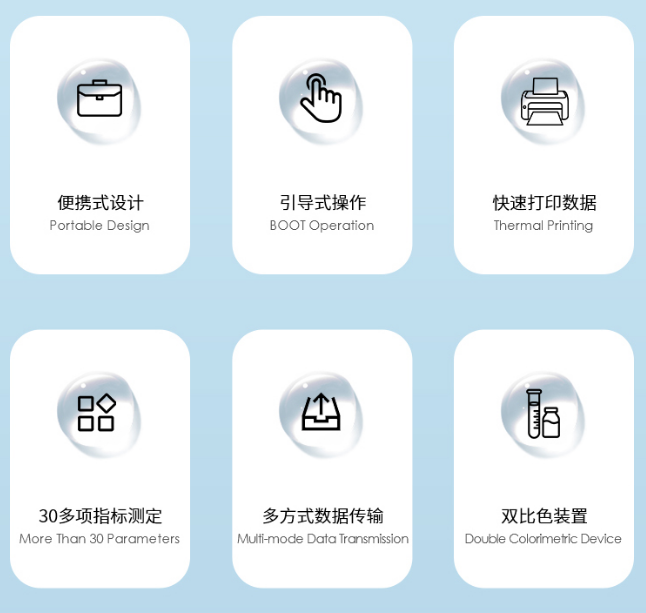
Featuring user-friendly one-click operation, the device requires no professional training and can be used instantly on site. Combined with long battery life, it meets high-intensity full-day monitoring, making community direct drinking water inspection more efficient and effortless.
Industry Trend: Empowering Technology to Safeguard Residents' Drinking Water Safety
The popularization of lightweight portable residual chlorine monitors is an irresistible trend in community direct drinking water management, reflecting people-oriented technology in the public drinking water sector.
As residents raise higher requirements for water safety, monitoring frequency and precision are constantly improving. Bulky traditional devices can no longer meet high-quality industry development needs. This pocket-sized tool replaces heavy "iron equipment", freeing inspectors from tedious carrying and traveling, allowing them to focus on professional data testing and high-quality services.
In the future, with continuous upgrades of portable monitoring technology, community drinking water management will become more efficient, intelligent and user-centric, protecting healthy drinking water for millions of households.
If you are troubled by low efficiency in community direct drinking water monitoring, feel free to contact Medshy, a professional residual chlorine water quality sensor manufacturer and reliable China residual chlorine detector supplier, to get customized professional operation and maintenance upgrading solutions!
Previous: Guest Room Water Always Has "Odor"? Is the Online Automatic Residual Chlorine Analyzer "Misbehaving"? Manufacturer Advices to Avoid These 3 Maintenance Mistakes!
Next: Poor Disinfection of Food Processing Water? Combined Online + Benchtop Residual Chlorine Detectors Ensure Strict Production Safety!

 TEL
TEL