Guest Room Water Always Has "Odor"? Is the Online Automatic Residual Chlorine Analyzer "Misbehaving"? Manufacturer Advices to Avoid These 3 Maintenance Mistakes!
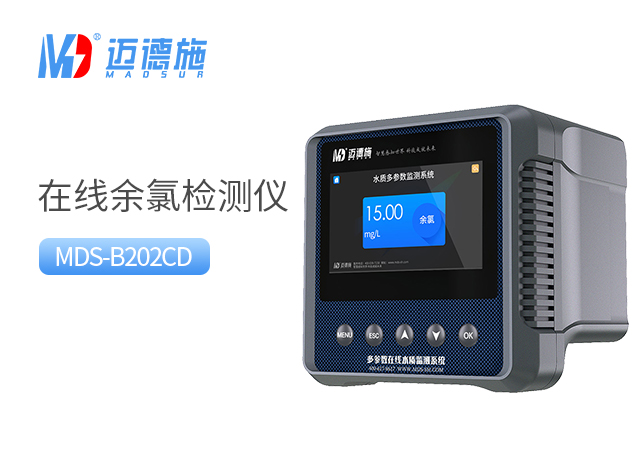
A friendly reminder from Medshy, a professional residual chlorine water quality detector manufacturer: For hotels, the safety and comfort of guest room water are core details to maintain guest experience and protect hotel reputation. As the core guarantee for guest room water supply, the precise control of residual chlorine concentration in secondary water supply is crucial — residual chlorine is the key to inhibiting bacteria in water and ensuring water quality safety. Excessively high concentration will cause pungent odor in water, while excessively low concentration will lead to excessive bacteria, directly affecting guest experience. The online automatic residual chlorine analyzer is the "health guardian" of guest room water safety in hotels, monitoring the residual chlorine concentration of secondary water supply 24 hours a day to ensure water safety meets standards. However, in actual operation and maintenance, this "health guardian" often "misbehaves": data distortion and alarm failure. These seemingly minor equipment faults actually hide huge operational risks: at best, they cause fluctuating residual chlorine concentration, leading to odor in guest room water and excessive bacteria, triggering a large number of guest complaints and affecting hotel reputation; at worst, they cause guests to feel unwell after drinking, facing guest claims, or even leading to the collapse of hotel reputation, directly affecting passenger flow and operational benefits, putting the hotel in an operational dilemma.

Based on numerous operation and maintenance cases of secondary water supply in hotel buildings, the manufacturer found that the core reason why the online residual chlorine analyzer "misbehaves" and fails to perform accurately is not equipment quality problems, but that hotels have fallen into 3 high-frequency maintenance mistakes in daily maintenance. Each mistake corresponds to clear and serious consequences and must be avoided in time.
Mistake 1: Not Enabling Automatic Dosing Linkage, Leading to Unstable Residual Chlorine, Guest Complaints and Claims

The demand for guest room water in hotels fluctuates greatly: water consumption surges during morning and evening washing peaks, and drops sharply during off-peak periods, leading to easy fluctuations in the residual chlorine concentration of secondary water supply. However, many hotels do not enable the automatic dosing linkage function of the online residual chlorine analyzer. The sensor responds slowly and cannot adjust the residual chlorine dosage in a timely manner according to changes in water load, resulting in fluctuating residual chlorine concentration: when the concentration is too high, the tap water in guest rooms will have a pungent disinfectant odor, triggering guest complaints; when the concentration is too low, bacteria in the water cannot be effectively inhibited, leading to excessive bacteria. Guests may experience gastrointestinal discomfort after drinking or using it, directly facing guest claims and damaging the hotel's reputation.
Mistake 2: Ignoring Water Tank Cleaning and Disinfection, Bacterial Resistance Leading to Unqualified Water Quality and Escalated Guest Complaints
The secondary water supply tank of the hotel is a key link in residual chlorine control. If it is not cleaned and disinfected for a long time, a large number of bacteria and algae will grow on the inner wall of the tank. These bacteria will gradually develop drug resistance, making it impossible for the conventional residual chlorine concentration to effectively inhibit bacterial reproduction, thus resulting in unqualified water quality. Guests who drink guest room water with excessive bacteria are prone to physical discomfort such as abdominal pain and diarrhea, triggering serious guest complaints, and may even face guest claims, seriously affecting the hotel's reputation and leading to a decline in passenger flow. Many hotels only pay attention to the maintenance of the analyzer but ignore the cleaning of the water tank, and ultimately pay a heavy price due to source pollution leading to the failure of residual chlorine control.
Mistake 3: Not Replacing Probe Membrane Caps Regularly, Data Distortion Leading to Cost Waste and Reputation Damage
The probe membrane cap of the online automatic residual chlorine monitor is the core component to ensure accurate detection data. It will wear and age after long-term use. If it is not replaced on a regular basis, it will lead to decreased probe sensitivity and data distortion, making it impossible to accurately judge the residual chlorine concentration. This will lead to two serious consequences: first, misjudging the qualified residual chlorine concentration as low, leading to excessive addition of disinfectants and a significant increase in operational costs; second, misjudging the excessive residual chlorine concentration as qualified, resulting in missed judgments, leading to odor in guest room water or excessive bacteria, triggering guest complaints, damaging the hotel's reputation, and even affecting the hotel's industry reputation and operational benefits.
In response to the above 3 high-frequency maintenance mistakes, the manufacturer has provided precise and practical solutions combined with the actual operation and maintenance scenarios of hotel secondary water supply. Each solution specifically solves one mistake and avoids one type
Solution to Mistake 1: Link with Dosing Pump, Automatically Adjust Dosage to Stabilize Residual Chlorine Concentration
The core of solving the fluctuation of residual chlorine concentration is to realize the linkage between the analyzer and the dosing system. It is recommended that hotels link the online automatic residual chlorine analyzer with the dosing pump and enable the automatic dosing function. The analyzer monitors the residual chlorine concentration data in real time and automatically adjusts the dosage of disinfectants according to the load changes during water use peaks and valleys, ensuring that the residual chlorine concentration of secondary water supply is always stable within the qualified range. This can not only avoid odor caused by excessive residual chlorine concentration but also prevent excessive bacteria due to low concentration, fundamentally reducing the risk of guest complaints and claims and improving the guest water use experience.
Solution to Mistake 2: Regularly Clean and Disinfect Water Tanks to Ensure Qualified Water Quality from the Source
The premise of residual chlorine control is source cleaning. It is recommended that hotels establish a regular water tank cleaning and disinfection ledger, conduct in-depth cleaning and disinfection of secondary water supply tanks every quarter, remove bacteria, algae and dirt on the inner wall of the tank, and reduce bacterial load from the source. After cleaning and disinfection, adjust the residual chlorine dosage according to the monitoring data of the online residual chlorine analyzer to ensure that the residual chlorine can effectively inhibit bacterial reproduction, ensure that the guest room water meets the standards, protect the health of guests, and completely avoid guest complaints and claims caused by water quality problems.
Solution to Mistake 3: Regularly Replace Probe Membrane Caps + Calibrate to Ensure Accurate Data
To ensure accurate detection data, it is necessary to do a good job in probe maintenance and instrument calibration. It is recommended that hotels strictly replace the residual chlorine probe membrane cap on a regular basis (usually every 3-6 months, adjusted according to the use environment) to avoid data distortion caused by membrane cap aging and wear; at the same time, calibrate the instrument with standard residual chlorine solution once a month, adjust the instrument parameters in a timely manner, ensure that the monitoring data is true and reliable, and avoid misjudgment. This can not only avoid cost waste caused by excessive dosing but also eliminate the problem of unqualified water quality caused by missed judgment, protecting the hotel's reputation and operational benefits.
Conclusion

The core of hotel service quality lies in details, and the safety of guest room water is one of the details that cannot be ignored. The online automatic residual chlorine analyzer "misbehaves", which seems to be an equipment problem, but in fact, it is because the hotel has fallen into the three maintenance mistakes of not linking dosing, not cleaning the water tank, and not replacing the probe. As long as these 3 mistakes are strictly avoided, and dosing linkage, water tank cleaning, and probe maintenance and calibration are done well, the online residual chlorine analyzer can operate stably and no longer "misbehave", accurately control the residual chlorine concentration, avoid losses such as guest complaints, claims and reputation damage, effectively improve the guest water use experience, keep the hotel's operational bottom line, and ensure the steady improvement of passenger flow and operational benefits.
Finally, we would like to ask: in the residual chlorine monitoring of hotel secondary water supply, what other "misbehaving" situations or maintenance problems have you encountered when using the online automatic analyzer? Welcome to leave a message in the comment area of Medshy residual chlorine water quality sensor. We will communicate and solve them together to help hotels improve service quality and operate steadily.
Previous: The "Disinfection Monitoring Master" for Tap Water Supply! Portable Automatic Residual Chlorine Tester: Small but Efficient and Accurate!
Next: Say Goodbye to Heavy Traditional Devices for Community Direct Drinking Water Monitoring! Pocket-sized Portable Residual Chlorine Water Quality Monitor Greatly Reduces Workload

 TEL
TEL