The "Disinfection Monitoring Master" for Tap Water Supply! Portable Automatic Residual Chlorine Tester: Small but Efficient and Accurate!
An Efficiency Revolution in Tap Water Residual Chlorine Monitoring

As a professional manufacturer of laboratory residual chlorine water quality analyzers, we would like to remind you:Residual chlorine monitoring serves as a safety barrier for tap water supply. As a key indicator of water disinfection, excessively high residual chlorine impairs drinking taste, while insufficient levels fail to kill bacteria and viruses effectively, directly threatening residents’ drinking water safety. Out-of-control monitoring may cause hidden safety hazards and public complaints.
In the past, traditional residual chlorine monitoring equipment for tap water was bulky and heavy, weighing about 7–9 kg, making it a heavy burden for field workers.
Tap water supply points are numerous and widely distributed, including water intakes, pumping stations, pipe network ends and other locations. Some sites are remote and hard to reach. Inspectors had to carry heavy equipment between stations, leading to exhaustion and low efficiency, making full coverage and high-frequency monitoring difficult.
Today, the portable automatic residual chlorine tester has achieved a major breakthrough in lightweight and miniaturized design. It is compact enough to fit easily into an inspection bag, perfectly matching all tap water monitoring scenarios. This is not only a change in equipment form, but also an inevitable trend for the water supply industry to reduce costs, improve efficiency and meet frontline inspection needs, all supported by core technologies.
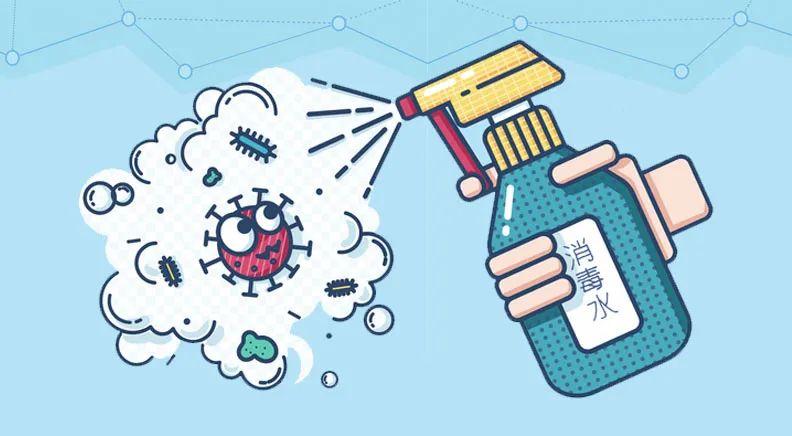
Miniaturization Is No Coincidence
Technology Meets Actual Water Supply Monitoring Needs
The downsizing of the portable residual chlorine tester is not a simple cosmetic change, but a result of technological breakthroughs tailored to real-world tap water monitoring demands.
The core pain points in tap water monitoring focus on outdoor portability, environmental adaptability and data efficiency. Traditional heavy equipment cannot meet the needs of scattered and remote sites, nor can it operate without power supply or support high-frequency testing. It also involves tedious data recording and delayed responses to abnormal chlorine levels.
Behind the compact design are targeted technological breakthroughs that optimize physical size while solving three major challenges: heavy patrol burden, complex environment adaptation and real-time data transmission, greatly easing restrictions on frontline inspectors and helping water supply enterprises achieve more precise and efficient safety management.
Core Technologies Unveiled
Three Strengths That Make It “Small but Precise, Light but Accurate”
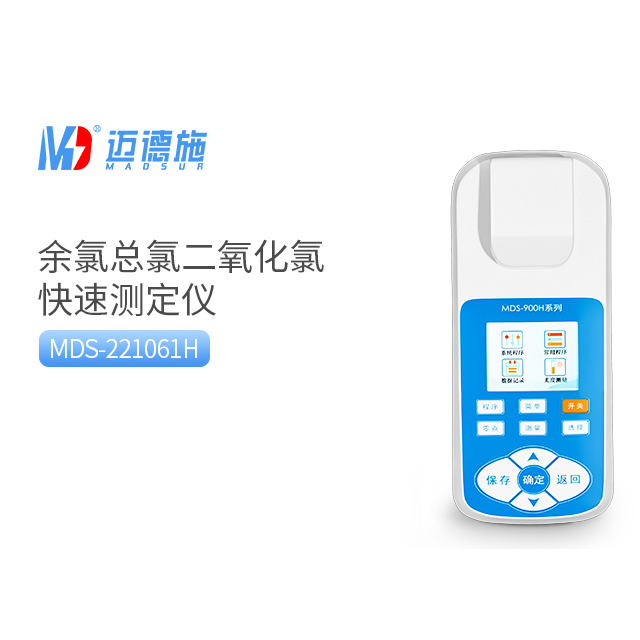
The portable residual chlorine tester has become the ideal disinfection monitoring tool for tap water supply — small in size yet highly efficient and accurate — thanks to three key technological advantages over traditional devices.
1. Miniaturized Residual Chlorine Detection Module
Palm-sized, without losing precisionAs the core of miniaturization, the module uses integrated electrodes and compact core components, compressing large traditional parts into a palm-sized unit, breaking the stereotype that large size equals high precision.
Through an optimized dedicated detection algorithm, it accurately measures residual chlorine in water intakes, pipe network water and end-user tap water, with errors controlled within industry standards. It fully complies with the Standards for Drinking Water Quality (GB 5749-2022), providing reliable data support for daily inspections and anomaly troubleshooting.
2. Wireless Data Transmission Technology
No messy wiring, real-time synchronizationScattered sites and long patrol routes often lack stable power supplies. Traditional devices rely on manual recording, which is inefficient, error-prone and unable to upload data instantly, delaying responses to unsafe chlorine levels.
With a built-in wireless transmission module, the tester uploads data to the water supply management system in real time, eliminating manual errors and enabling full traceability. Once an abnormality is detected, the system triggers an immediate alarm, allowing on-site adjustment of disinfection processes and greatly shortening hazard response time.
3. Waterproof and Lightweight Design
Adapted to water supply environments, durable and easy to useWater supply stations such as pumping stations and water intakes are usually humid and wet. Traditional equipment has poor waterproof performance and is prone to damage.
The portable tester features targeted environmental design:
High-strength waterproof and dustproof material with IP65 protection, resisting moisture and splashing;
Total weight under 350g, easy to carry in a patrol bag;
Scratch-resistant, drop-resistant and long-lasting battery, suitable for outdoor patrols and remote sites with low maintenance and charging needs.

Practical Benefits for Monitoring
Tailored for Water Supply Scenarios, Reducing Burden and Improving Efficiency
Based on real tap water monitoring needs, the portable tester solves three core problems of traditional devices, bringing tangible convenience to frontline staff.
① Eases the heavy burden of patrols
The lightweight design eliminates heavy equipment and cables, greatly reducing physical fatigue and improving the efficiency of full-site coverage.
② Enables instant testing and safety protection
On-site results are available immediately without laboratory delivery. Inspectors can judge compliance on the spot, eliminate hidden risks quickly, and adjust disinfection processes to ensure drinking water safety and reduce rework costs.
③ Simple operation and low maintenance
With a one-button interface, no professional training is needed. The device is waterproof, durable and erosion-resistant, reducing maintenance time and greatly improving monitoring efficiency and accuracy.
Trend Summary
Technology Empowers the “Disinfection Monitoring Master” to Guard Residents’ Water Safety
The lightweight and miniaturized development of portable residual chlorine testers is an inevitable result of rising demand for drinking water safety and technological progress, showing care for frontline inspectors.
As residents pursue higher water safety standards, tap water monitoring requires greater precision, efficiency and convenience. Traditional bulky equipment limits working efficiency and cannot adapt to scattered outdoor sites.
This “disinfection monitoring master” uses technology to free inspectors from heavy carrying and tedious recording. With accurate detection, it identifies hazards in time and protects residents’ drinking water safety, leading the industry trend of portable water quality testers toward miniaturization, precision and scenario-based application.

If you are not satisfied with your current water quality monitoring effect, please feel free to contact Medshy, a professional residual chlorine water quality sensor manufacturer. We will provide you with a customized water quality monitoring upgrade plan based on your industry, requirements and actual application scenarios.
Previous: Say Goodbye to Bulky Equipment! Portable Automatic Residual Chlorine Tester for Bottled Water Production: Palm-sized Operation with Higher Accuracy, Efficient Production Without Delays!
Next: Guest Room Water Always Has "Odor"? Is the Online Automatic Residual Chlorine Analyzer "Misbehaving"? Manufacturer Advices to Avoid These 3 Maintenance Mistakes!

 TEL
TEL