Water Plant Manpower "Burden Reduction" Guide: Online Residual Chlorine Automatic Water Quality Analyzer, Like a "Disinfection Guard" Saves Manpower and Protects Purity!
The core mission of a water plant is to safeguard residents’ drinking water safety. As the "core line of defense" for tap water disinfection, residual chlorine directly determines drinking water safety and taste — insufficient residual chlorine fails to completely kill bacteria and microorganisms in water, posing drinking water safety hazards; excessive residual chlorine produces odors, affects taste, and even fails to meet environmental protection and drinking water standards. However, many large water plants still rely on manual residual chlorine monitoring, which is as laborious and inefficient as "looking for disinfection traces in purified water": it requires special personnel to take samples and conduct tests in 24-hour shifts, not only keeping labor costs high, but also posing drinking water safety and regulatory risks due to delayed data and cumbersome operations. The emergence of the online residual chlorine automatic water quality analyzer is like equipping the water plant with an "inexhaustible disinfection guard", replacing manual on-duty with intelligent monitoring. It not only saves manpower and reduces costs, but also accurately protects the purity and safety of tap water, becoming a core tool for water plant manpower burden reduction. As a professional desktop residual chlorine water quality detector manufacturer and reliable China residual chlorine detector supplier, we provide a detailed explanation below!
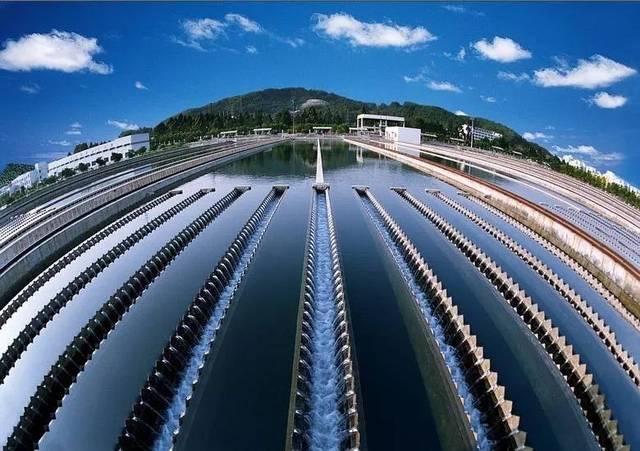
I. 3 Core Pain Points of Residual Chlorine Monitoring in Water Plants: Labor-Intensive and Safety-Risky
1. Huge Manpower Input: 7-9 Full-Time Testing Positions, Costing Hundreds of Thousands of Yuan Annually

Large water plants have a wide water supply range and high water demand, requiring key monitoring of residual chlorine content at multiple points such as finished water, pipe network terminals, and intermediate booster stations, as well as 24-hour uninterrupted monitoring to ensure that every batch of tap water meets drinking standards. To this end, the plant needs to equip 7-9 full-time testing personnel, implementing a 3-shift rotation system to be responsible for the entire process of sampling, testing, and recording. According to the conventional salary standards in the industry, the labor costs such as monthly salaries and social security for these testing personnel will add hundreds of thousands of yuan to the water plant every year, becoming a "heavy burden" for manpower reduction and squeezing the plant’s operating profit margin.
2. Delayed Data Poses Risks: "Slow Response" Easily Crosses Safety and Regulatory Red Lines
Manual residual chlorine monitoring involves multiple links including sampling, sample transportation, laboratory testing, and data recording. A single testing cycle takes 4-8 hours, like a "slow feedback", which cannot capture subtle changes in residual chlorine content in real time. Once the residual chlorine content is abnormal — either incomplete disinfection leads to the growth of bacteria and microorganisms in water, causing residents’ drinking water safety problems; or excessive content produces pungent odors and affects drinking water taste — it will cross the environmental protection and drinking water regulatory red lines. The water plant will face regulatory penalties and even affect its water supply qualification.
3. Cumbersome Operation and Maintenance Consumes Manpower: Manual Regulation + Data Review, Constantly Rushed
The process of manual residual chlorine monitoring and operation and maintenance is extremely cumbersome: test data needs to be manually recorded and sorted out; during subsequent water quality traceability and environmental inspections, special personnel need to spend a lot of time reviewing data and compiling reports. At the same time, the regulation of residual chlorine content requires manual adjustment of disinfectant dosage according to test results, which takes a lot of manpower throughout the process and is prone to fluctuations in residual chlorine content due to manual operation errors. In the long run, the testing and operation and maintenance team is constantly rushed, unable to focus on water quality optimization, further affecting water supply efficiency and quality.
II. Online Residual Chlorine Automatic Water Quality Analyzer: 3 Ways to Reduce Burden, Save Manpower, Protect Safety and Improve Efficiency
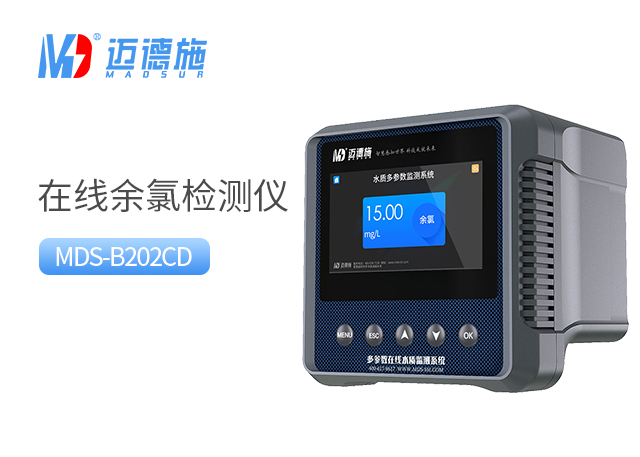
1. Replace Manual On-Duty: 1 Device "Replaces" 3-4 Testing Personnel
The online residual chlorine automatic sensor is like an "inexhaustible disinfection guard", which can be directly deployed at key monitoring points such as finished water outlets, pipe network terminals, and booster stations, monitoring residual chlorine content in real time 24 hours a day without the need for special personnel to take samples on site or keep watch in shifts. Under conventional industry configuration, 1 device can stably cover multiple monitoring points, directly replacing 3-4 full-time testing personnel, greatly reducing the manpower input of testing positions, saving hundreds of thousands of yuan in labor costs every year, and truly realizing manpower "burden reduction" for water plants.
2. Real-Time Early Warning to Protect Safety: Like a "Sensitive Test Strip", Guard the Bottom Line of Drinking Water

The device adopts the DPD detection method (a mainstream and mature technology for residual chlorine monitoring in water plants, complying with national drinking water hygiene standards), with high detection accuracy and fast response speed. Like a "sensitive test strip", it can accurately capture subtle fluctuations in residual chlorine content and feed back monitoring data in real time. Once the residual chlorine content is higher or lower than the standard threshold, it will immediately issue an acousto-optic alarm automatically, reminding staff to quickly adjust the disinfectant dosage, ensuring that tap water is completely disinfected and the taste meets the standard. It not only protects residents’ drinking water safety, but also avoids crossing regulatory red lines and facing penalties.
3. Intelligent Linkage Saves Manpower: Like an "Intelligent Controller", No Manual Intervention Throughout the Process
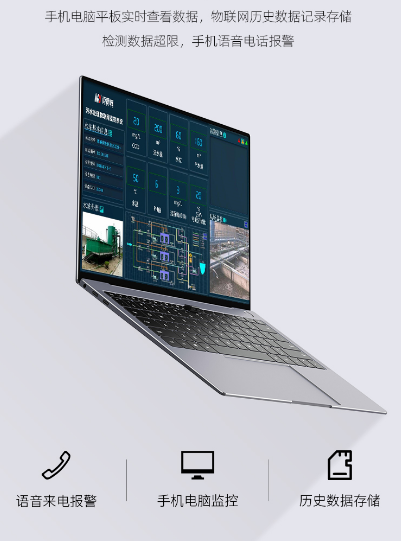
The online residual chlorine automatic water quality analyzer can be intelligently linked with the existing disinfection dosing system of the water plant, automatically adjusting the disinfectant dosage like an "intelligent controller" without manual operation, ensuring that the residual chlorine content is always stable within the standard range. At the same time, the device can automatically record and store each set of monitoring data, generating standardized electronic reports. During subsequent water quality traceability and environmental inspections, there is no need for manual data sorting, and it can be retrieved with one click, greatly saving the manpower input for data review and reporting, improving operation and maintenance efficiency, and making water plant operation and maintenance easier.
The efficient operation and maintenance of a water plant is centered on "saving manpower, ensuring safety and improving efficiency". The online residual chlorine automatic water quality analyzer replaces traditional manual on-duty with intelligent monitoring, completely solving the three major pain points of huge manpower input, delayed data, and cumbersome operation and maintenance. It not only greatly reduces labor costs, but also guards the bottom line of tap water disinfection and protects residents’ drinking water safety with the advantages of precise monitoring, real-time early warning and intelligent linkage.
If you also want your water plant to say goodbye to "manpower shortage" and "disinfection hazards", no longer relying on manual shift testing and manual regulation, feel free to leave a message to Medsonz, a professional residual chlorine water quality sensor manufacturer and trusted China residual chlorine detector supplier. We will help you truly realize manpower reduction, efficient water supply, balance operating costs and drinking water safety, and become an essential equipment for water plants to improve quality and efficiency.
Previous: Portable Automatic Residual Chlorine Water Quality Monitor: Accurate Anytime, Anywhere to Safeguard Domestic Drinking Water Quality
Next: Reject "Disinfection Imbalance"! Online Residual Chlorine Automatic Analyzer Solves Spring Water Quality Change Problems for 3 Industries!

 TEL
TEL